
The Role of Proprioception in Balance Recovery
Understanding proprioception is crucial for individuals working in rehabilitation, especially in balance recovery. Proprioception refers to the body’s ability to sense its position in space. This sense relies on specialized receptors located in muscles, tendons, and joints, which send signals to the brain. When someone experiences an injury or has a condition affecting their balance, their proprioceptive capacities may diminish. Consequently, treatments focus on enhancing proprioceptive feedback to aid recovery. Rehabilitation specialists can employ various exercises and techniques to stimulate these receptors. These may include balance training exercises, stability ball activities, and functional movement sequences. By gradually challenging balance, patients can improve their sensory awareness and motor responses. Additionally, environmental factors such as uneven surfaces can be simulated during therapy to reinforce proprioceptive training. A thorough understanding of proprioception allows rehabilitation specialists to tailor interventions, ensuring that each patient receives the most effective recovery path. Therefore, investing time to develop proprioceptive skills can enhance overall balance control and reduce the risk of future falls. Ultimately, education on proprioceptive training is beneficial for both patients and practitioners in achieving desired rehabilitation outcomes.
This rehabilitation approach typically incorporates various techniques. One method is to use standing exercises on unstable surfaces. Research indicates that performing balance tasks on uneven surfaces can activate more proprioceptive pathways, improving overall balance. Another effective technique is to include dynamic movements that involve changing speeds and directions. This can help retrain the brain to process proprioceptive information more effectively. Moreover, activities that involve visual and auditory cues can further enhance proprioceptive training. Exercises may integrate basic functional tasks such as walking on a straight line or practicing single-leg stands. Consequently, patients can build their confidence while refining their balance capabilities. Implementing a diverse range of balance and coordination activities can lead to successful recovery outcomes. The importance of proprioception should not be underestimated in injury rehabilitation. It is essential to integrate proprioceptive training into any recovery program for those who have suffered from balance impairments. The overall goal is to enable individuals to return to everyday activities safely and independently. The collaborative efforts of patients and rehabilitation specialists play a vital role in achieving these objectives, leading to successful and lasting recovery.
Benefits of Proprioception Training
Proprioception training offers a variety of benefits for rehabilitation. Firstly, enhanced proprioception can significantly reduce the risk of falls in individuals with balance impairments. By improving their awareness of body positioning, individuals become more adept at detecting shifts in balance, allowing for quicker responses to maintain stability. Additionally, proprioception training aids in the restoration of normal movement patterns, which may have been disrupted due to injury. Incorporating exercises that suit the individual needs of clients enhances their engagement and motivation during rehabilitation. Furthermore, proprioceptive exercises can boost muscle strength and coordination alongside improving balance. Improved joint stability resulting from focused training also transforms movements, which can help in the recovery from surgery or trauma. Another vital outcome of proprioceptive training is enhanced athletic performance. Athletes who have experienced injury must re-establish proprioceptive pathways to regain their competitive edge. Consequently, rehabilitation specialists should emphasize the significance of proprioceptive training. Structuring personalized programs targeting proprioception can foster a favorable environment for optimal recovery and performance. In conclusion, the effects of proprioceptive training can extend beyond rehabilitation and into everyday activities and sports.
The role of sensory integration in balance recovery is pivotal. Proprioceptors work in conjunction with vision and vestibular systems to maintain equilibrium. This multisensory approach is essential for effective balance control. Rehabilitation specialists must prioritize exercises that enhance the relationship between proprioception and other sensory systems. Through targeted training, patients learn to coordinate their balance responses, even under various environmental conditions. For instance, practicing balance exercises with their eyes closed can enhance reliance on proprioceptive input. This will help them adapt their balance responses when visual cues are unavailable. Moreover, combining proprioceptive tasks with cognitive challenges can further assist recovery. Such exercises may include dual-task scenarios, where patients perform a cognitive activity while maintaining balance. This promotes better integration of sensory information, leading to improved outcomes. Evaluating a patient’s sensory integration skills during therapy can guide rehabilitation specialists in creating an effective training plan. The cumulative effects of these strategies can lead to a comprehensive recovery experience. Ultimately, the integration of sensory skills contributes significantly to improved balance and coordination for individuals seeking rehabilitation for balance-related impairments.
Implementing Proprioception Exercises
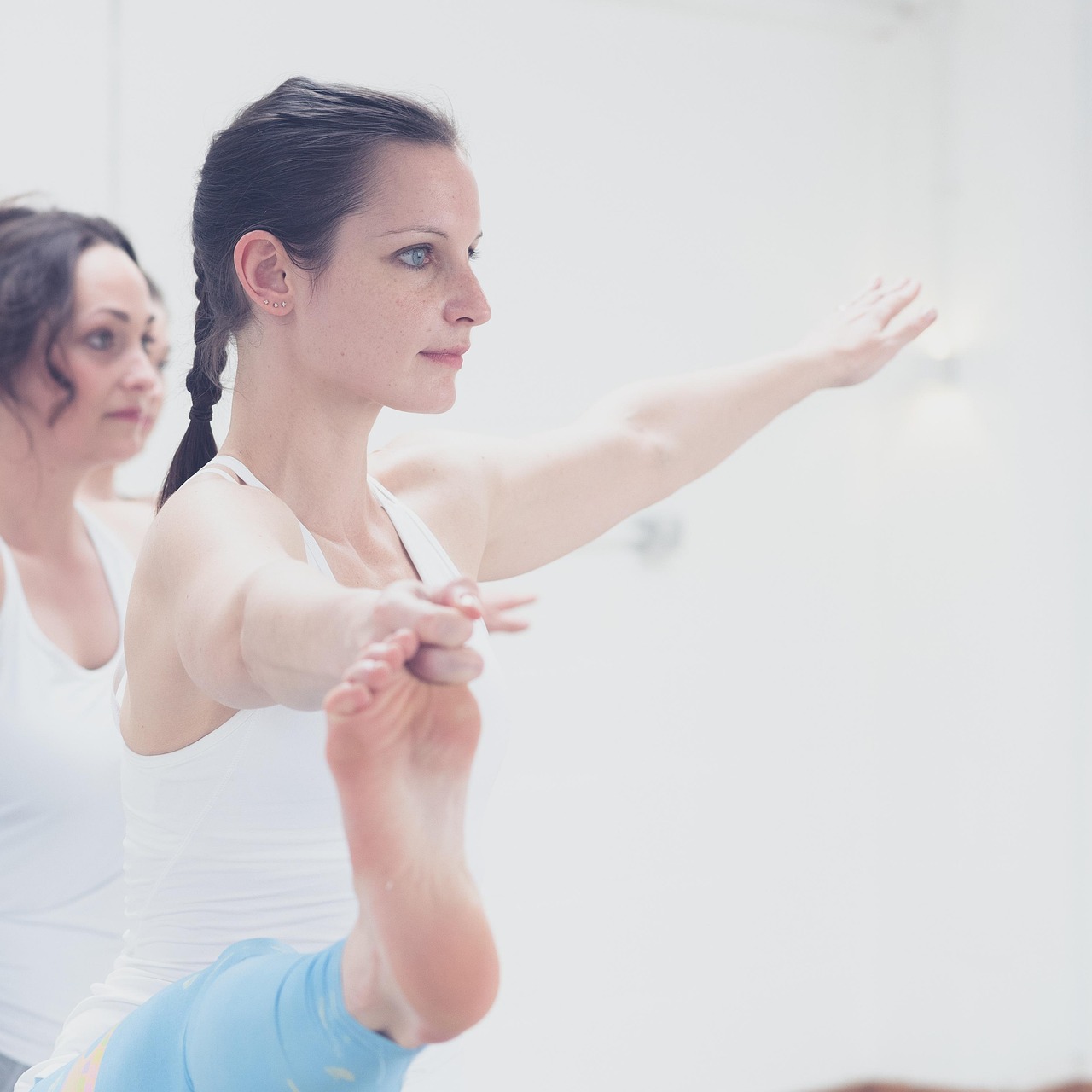
To effectively implement proprioceptive exercises in rehabilitation, specialists must consider individual patient needs. The initial assessment is key for understanding each patient’s baseline balance abilities. Tailored programs should evolve over time, gradually increasing in difficulty and complexity. One recommended approach is to start with static exercises, such as balance stands on one leg. As patients gain confidence, therapists can progress to dynamic movements, including agility-based drills. Using tools like balance boards, therapy balls, and wobble cushions can also intensify proprioceptive engagement. It’s crucial to maintain positive communication throughout the process, encouraging patients as they strive to improve their skills. Feedback and reinforcement can impact motivation, helping individuals stay committed to their recovery. Additionally, specialists should monitor patients for signs of fatigue or performance decline. Recognizing when to adjust the training intensity ensures optimal recovery outcomes as they progress. Incorporating social elements, such as group therapy sessions, can enhance patient motivation and provide a supportive environment. Ultimately, the careful implementation of proprioceptive exercises leads to a comprehensive approach to balance recovery, fostering independence and improved quality of life.
Research indicates that proprioception can be improved through various modalities. For example, incorporate proprioceptive neuromuscular facilitation (PNF) techniques, which combine stretching and strengthening. These techniques stimulate proprioceptors and enhance neuromuscular coordination. Another effective modality is the use of resistance bands or weights during balance exercises. This generates additional feedback, which challenges both the muscles and proprioceptors simultaneously. Evidence suggests that practicing proprioception with external resistance can foster greater muscular awareness and body control. Furthermore, utilizing stability balls encourages dynamic stability challenges while improving core strength. With innovative rehabilitation strategies, gaining proprioceptive capabilities can accelerate recovery timelines. Moreover, incorporating virtual reality environments into training may offer unique advantages, providing varied and engaging scenarios for patients to practice balance. This customizable approach can be especially beneficial for patients with different learning styles. The future of proprioceptive training relies heavily on understanding and integrating new technologies into therapy. Therefore, staying informed on evidence-based practices can foster the development of effective treatment plans. As the field of rehabilitation evolves, embracing these advancements fosters improvements in proprioceptive training and balance recovery.
Conclusion
In conclusion, the role of proprioception in balance recovery is undeniable. Rehabilitation specialists must prioritize proprioceptive training to address balance impairments effectively. By understanding the mechanisms behind proprioception, professionals can create targeted exercise programs that enhance recovery outcomes. The journey to recovery involves integrating proprioceptive exercises that improve stability, coordination, and overall movement efficiency. As patients engage in these tailored programs, they regain their confidence and independence in daily activities. The development of proprioceptive skills not only aids in rehabilitation but also contributes to injury prevention and improved performance. Establishing a comprehensive and individualized approach offers the best outcomes for patients. The collaboration between rehabilitation specialists and patients is vital in achieving these rehabilitation goals. Utilizing both traditional and innovative recovery strategies ensures that patients receive the most effective treatment possible. Employing a variety of training modalities can keep patients motivated and engaged during their rehabilitation journey. The ongoing research in proprioceptive training continues to open doors for advanced interventions, making it a promising area in the rehabilitation landscape. Ultimately, the power of proprioception plays a significant role in transforming lives and enhancing balance recovery.