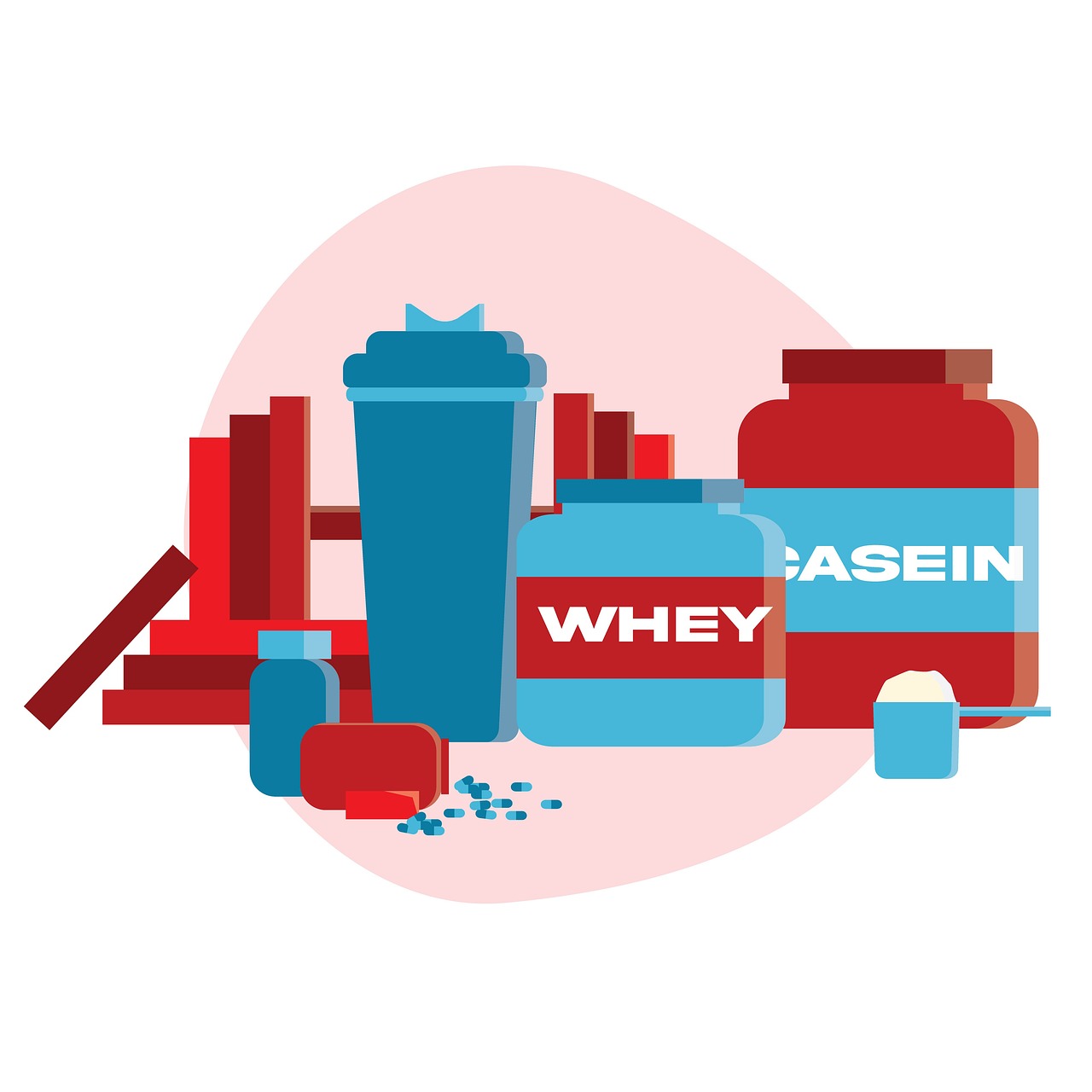

The Role of High-Protein Diets in Reducing Belly Fat
High-protein diets have gained popularity as effective weight loss strategies focused on reducing belly fat. These diets are designed to increase lean muscle mass and promote fat burning, especially around the abdominal area. Protein has a higher thermic effect compared to fats and carbohydrates, meaning it uses more energy during digestion. Consuming protein-rich foods can lead to a feeling of fullness and reduce overall calorie intake by curbing hunger. Another benefit of high-protein diets is the ability to maintain muscle mass while losing weight. This is crucial because muscle tissue burns more calories at rest than fat. Incorporating sources like lean meat, fish, eggs, dairy, legumes, and nuts into your daily meals can help create a balanced diet. Meal prep is essential, as it allows you to plan protein-rich meals ahead of time. This way, you can avoid unhealthy snacks and maintain your high-protein intake throughout the week. It’s essential to tailor your diet and exercise plan according to your body type and lifestyle for optimal results.
Benefits of a High-Protein Diet
Implementing a high-protein diet may offer various benefits beyond just weight loss. First, it can significantly boost your metabolism, which often slows down during weight loss. Increased protein intake stimulates the release of hormones that foster a fat-burning environment while simultaneously preserving muscle mass. Furthermore, studies demonstrate that protein can decrease levels of the hunger hormone ghrelin and increase levels of peptide YY, which promote feelings of fullness. When adhering to such diets, many people find it easier to adhere to their health regimens because they feel more satisfied. This strategy also allows individuals to enjoy a variety of delicious foods, especially for those who enjoy cooking. Foods high in protein often include chicken, beef, and different kinds of seafood, which can be prepared in numerous delightful ways. Moreover, this diet might lead to improved mood and increased energy, stemming from the stable blood sugar levels associated with a balanced protein intake. Therefore, adopting this dietary approach can not only support fat loss but also elevate an individual’s overall quality of life.
Another beneficial aspect of a high-protein diet is its potential to enhance physical performance. Individuals engaged in regular exercise, particularly strength training, find that increased protein consumption allows for better muscle repair and growth. When you push your body to its limits, it requires adequate nutrients to recover effectively, and protein plays a critical role in this process. Additionally, increased protein intake can lead to improved body composition, making it advantageous for athletes and fitness enthusiasts. To see substantial changes in performance and body shape, it’s important to merge a high-protein diet with resistance training. This combination can lead to increased strength and muscle size, which in turn aids in further fat loss. Moreover, this diet can also help in maintaining energy levels during workouts, promoting a longer exercise routine without undue fatigue. Adequate protein consumption is also linked to improved post-exercise recovery, allowing for a quicker return to subsequent workouts. Hence, integrating high-protein foods as a regular part of your diet is instrumental for anyone serious about enhancing their exercise results.
While implementing a high-protein diet, it is essential to ensure a diverse intake of food sources to meet overall nutrition needs. Although protein is vital, a balanced diet should also include ample fruits, vegetables, whole grains, and healthy fats to ensure the body receives all necessary nutrients. Over-reliance on protein alone can lead to deficiencies, so it’s crucial to invest time in researching ideal combinations. Nutritionists generally recommend incorporating plant-based protein sources to enhance fiber intake and support heart health. Foods such as quinoa, lentils, chickpeas, and chia seeds not only provide proteins but are also rich in vitamins and minerals. Furthermore, consider preparing meals with varied cooking techniques such as grilling, baking, or steaming to preserve nutrients while maintaining enjoyable tastes and textures. Regularly changing your protein sources helps prevent dietary monotony while ensuring a well-rounded array of essential nutrients. A meal plan incorporating multiple protein sources can also cater to different dietary preferences, whether omnivorous, vegetarian, or vegan. Diversifying protein intake ultimately leads to sustainable dietary changes.
Incorporating High-Protein Foods into Your Diet
Incorporating high-protein foods into a daily routine can be both convenient and enjoyable. Start by setting specific protein goals based on your lifestyle and needs. Using tools like meal planning apps or journals can aid in tracking protein intake. Choosing snacks wisely is critical; opting for Greek yogurt, protein bars, or a handful of nuts as quick options can help you achieve your goals seamlessly. Planning meals around protein sources encourages variety and keeps you satisfied longer. For breakfast, consider egg dishes or smoothies loaded with protein powder and nut butter. Lunch could consist of lean meats or vegetarian options like beans in salads or wraps. When preparing dinner, grill or bake fish or chicken while complementing them with vegetable sides rich in flavor and nutrients. For desserts, think of protein-rich options such as cottage cheese pancakes or protein shakes with fruits. By rotating these food ideas, you will avoid dietary monotony while consistently fulfilling your protein needs. Additionally, don’t hesitate to experiment with recipes to discover new favorites, keeping your diet exciting.
It’s also essential to understand that different individuals may respond uniquely to a high-protein diet. Factors like different metabolic rates, body composition, and activity levels play significant roles in individual results. Therefore, creating a personalized diet plan, ideally with the assistance of a registered dietitian or nutritionist, can enhance success. They can help monitor progress while making necessary adjustments to ensure optimal performance and satisfaction with the diet. Additionally, seeking regular feedback through body measurements or performance metrics can help maintain motivation and track what works. Listening to your body’s hunger and fullness cues is crucial while adhering to strict diet guidelines, allowing flexibility. It’s important to note that a high-protein approach doesn’t mean eliminating carbohydrates or fats completely; finding the right balance is key. Gradually integrating this diet while staying mindful of nutrient intake not only helps meet body goals but also fosters healthier relationships with food. Long-term sustainability should be the primary focus, as achieving weight goals through high-protein diets should promote an overall healthier lifestyle.
In conclusion, adopting a high-protein diet can significantly aid in belly fat reduction and contribute to an overall healthier lifestyle. From increasing feelings of fullness to enhancing physical performance, the benefits are numerous. While the priority should be on protein consumption, maintaining a balanced nutrient intake is paramount. Finding relevant strategies to incorporate different protein sources can help cater to individual preferences, thereby promoting dietary adherence. Regularly updating one’s meal plan, setting achievable goals, and possibly consulting professionals in nutrition can drive success while ensuring satisfaction. Additionally, individuals should embrace the journey of dietary change and be patient with their process. It takes time for the body to adapt and show visible results from any diet change. The essence of a successful high-protein diet lies not only in fat loss but also in achieving muscle strength and overall wellness. Finally, embracing a lifestyle that combines nutrition and physical activity ensures long-lasting results and prevents the yo-yo dieting effect. By pursuing these principles, anyone can work towards their fat loss goals more effectively and sustainably.