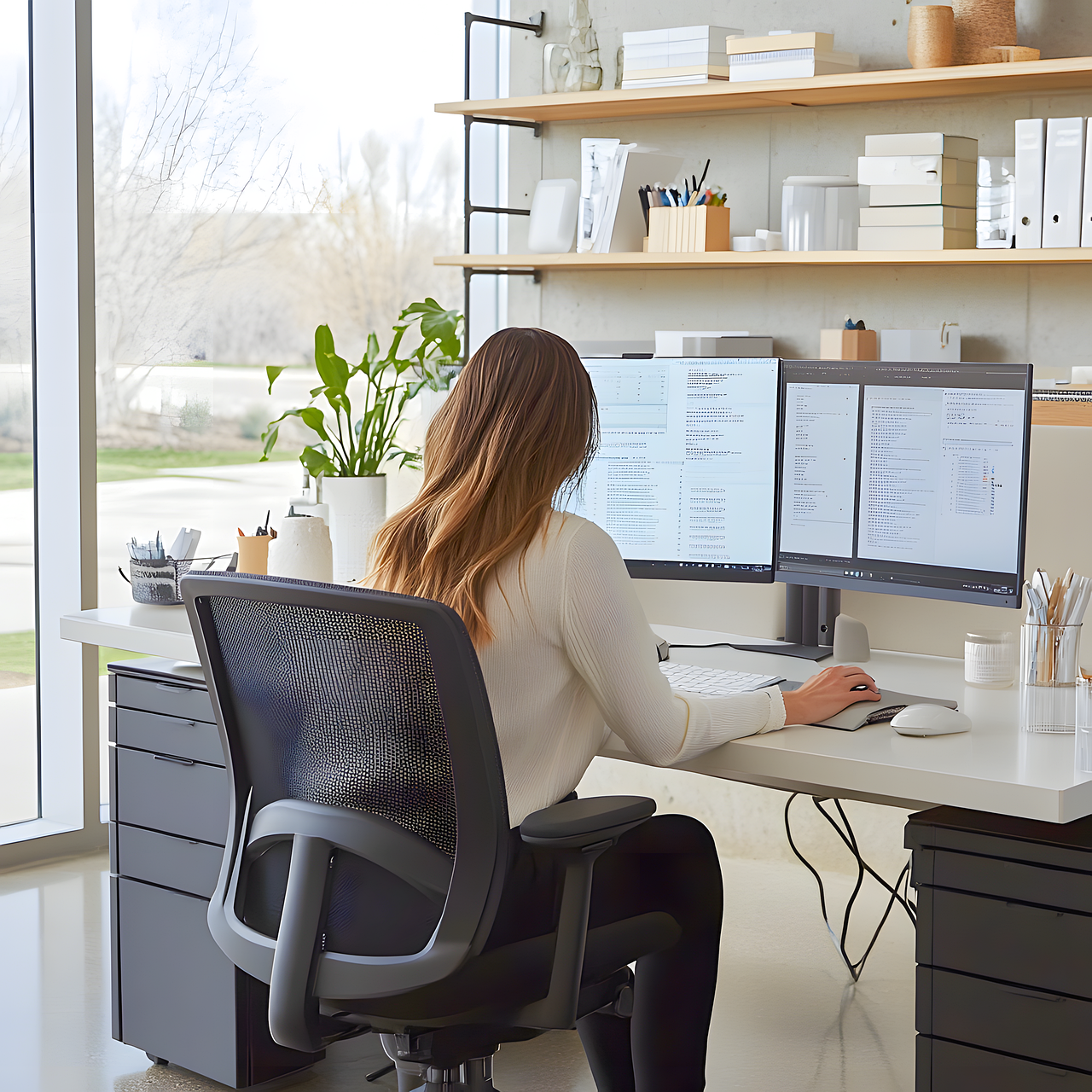

The Evolution of Ergonomic Chair Technology
As our understanding of posture and ergonomics has evolved, so too have ergonomic chairs. Initially designed for basic comfort, modern ergonomic chairs now incorporate advanced features that cater specifically to individual body types and work habits. The primary goal of an ergonomic chair is to support the natural curvature of the spine while providing adequate lumbar support. Over the years, materials used in these chairs have also advanced significantly. Older models typically used rigid materials, limiting the flexibility necessary for varied body movements. Contemporary chairs utilize advanced foam, breathable fabrics, and adjustable components to create a more personalized seating experience. This evolution reflects a shift towards health and productivity, recognizing that comfort directly influences workplace effectiveness. Incorporating adjustments for height, backrest angle, and armrest positions allows these chairs to accommodate diverse users seamlessly. As we look forward, the integration of smart technology into ergonomic chairs is becoming increasingly popular, offering features that can monitor posture and remind users to take breaks. This fusion transforms passive seating into an active tool for well-being, ultimately enhancing both comfort and efficiency in the workplace.
One significant change in ergonomic chair design relates to adjustability. Early iterations had limited customization options, often resulting in discomfort for prolonged use. Today’s ergonomic chairs are engineered to accommodate a wide range of users by allowing multiple adjustments. Users can modify the seat height to ensure their feet rest flat on the ground, promoting healthy circulation. Additionally, backrest depth and height can be adjusted so that lumbar support fits snugly against the lower back. Armrests can also be varied in height and width to relieve tension in the shoulders. This flexibility addresses individual needs while also increasing comfort levels. Moreover, makers of ergonomic chairs have increasingly adopted the principle of ‘human-centered design,’ meaning that products are guided by user behaviors and needs. This approach focuses heavily on research and user feedback, ensuring that ergonomic solutions are relevant to modern lifestyles. By prioritizing user experience in the evolution of ergonomic chairs, manufacturers have created versatile products that promote sustained comfort throughout the workday. Ultimately, these developments have contributed significantly to the improved health of countless individuals who spend hours sitting.
The Influence of Technology on Ergonomic Chairs
Technology has played a crucial role in the evolution of ergonomic chairs, merging innovation with comfort. Smart ergonomic chairs are the latest trend, embedding sensors that monitor users’ posture and alert them when they sit improperly. These chairs can collect data on sitting habits, providing insights aimed at improving overall posture. The integration of adjustable lumbar support mechanisms into contemporary designs allows for real-time adjustments catering to the user’s changing posture throughout the day. Furthermore, certain models now incorporate heating and cooling features to improve comfort levels, especially during prolonged sitting sessions. These technological advancements underscore the importance of personalized comfort for managing work-related discomfort. Moreover, ergonomic chairs with built-in speakers and audio connections offer a unique approach by allowing users to listen to music or podcasts without distracting others in shared spaces. As technology continues to advance, ergonomic chair designers are consistently evolving the functionality and aesthetics of their products. Enhanced connectivity with mobile applications further enriches user experiences by providing tailored advice and reminders. This blend of health and technology in ergonomic chairs highlights their relevance in contemporary work environments.
The materials used in ergonomic chairs have also transformed significantly over the past few decades. Historically, chairs were primarily made from wood or rigid plastic, leaving users with little room for comfort. Modern chairs utilize a combination of advanced materials including high-density foams, mesh fabrics, and durable plastics. The use of breathable mesh allows for improved ventilation, preventing users from feeling uncomfortable during long hours of sitting. High-performance foams conform to the body’s shape, distributing weight evenly to minimize pressure points. Sustainability has become a crucial factor, with manufacturers exploring eco-friendly materials that provide a lower environmental impact without sacrificing quality. Additionally, frames designed from lightweight metals ensure durability while maintaining user comfort. As research continues to advance in material science, the development of new and better materials will pave the way for ergonomic chairs capable of meeting ever-evolving user needs. The ongoing search for innovative materials will ensure that ergonomic chairs not only look attractive but also enhance user well-being. This ongoing transition toward combining aesthetics with functionality is vital for creating office spaces that promote productivity and comfort.
The Ergonomic Advantage for Businesses
The impact of ergonomic chairs extends beyond individual comfort; they significantly benefit organizations that prioritize employee well-being. Investing in ergonomic seating solutions can enhance productivity levels by reducing discomfort and fatigue. Employees seated in ergonomic chairs experience less pain, leading to fewer absences due to work-related injuries. Improved comfort fosters better focus, enabling workers to concentrate on their tasks while boosting overall job satisfaction. Many companies have discovered that providing ergonomic seating leads to higher engagement and morale within the workforce. Furthermore, healthier employees tend to take fewer sick days, resulting in cost savings for organizations. Coupled with a compelling workplace wellness program, the introduction of ergonomic chairs expresses a commitment to employee health, generating goodwill among staff. Moreover, offering ergonomic solutions can enhance a company’s reputation as a desirable workplace. Market competitiveness relies heavily on attracting and retaining top talent, and a focus on employee well-being can set an organization apart from others. By investing in ergonomic chairs, businesses solidify their commitment to create an optimal work environment, ultimately translating to sustainable success.
In conclusion, the evolution of ergonomic chair technology reflects ongoing advancements in both design and materials, deeply integrating health and productivity into the modern workplace. The blend of innovative features with user-focused design caters to the individual needs of various workers, acknowledging that comfort plays a crucial role in workplace efficiency. With the advent of smart ergonomic chairs, the opportunity to monitor and adjust seating arrangements actively promotes better posture while preventing discomfort. Sustainability in material selection is another significant development, highlighting the importance of ecological responsibility in modern manufacturing practices. As ergonomic chairs continue to evolve, it’s essential for users to stay informed about available options, ensuring they can make the best choice tailored to their needs. Coupled with a growing emphasis on well-being in corporate settings, the proliferation of ergonomic seating will likely continue to rise as more organizations see their positive impact. Embracing these advancements will foster healthier work environments, thus improving employee satisfaction and productivity. The journey of ergonomic chairs has evolved dramatically, and their future shines brightly as an integral aspect of workplace ergonomics in our increasingly desk-bound world.
As we look towards the future, the role of ergonomic chairs will continue to evolve alongside emerging workplace trends. The rise of remote working and hybrid work models presents new challenges and opportunities for ergonomic design. Ergonomic chairs will increasingly need to cater to various home office setups, ensuring that remote workers have access to supportive seating solutions. With more people prioritizing health, companies will likely see a surge in demand for portable and flexible ergonomic solutions. This entails chairs that are lightweight and easily adjustable, making them suitable for varied work environments. Furthermore, the fusion of technology and ergonomics will persist, leading to innovations that will redefine how seating is experienced. The progression towards smart office furniture will likely expand across different types of seating solutions beyond chairs, including desks and collaborative furniture. As awareness regarding the significance of ergonomics continues to grow, it is essential to prioritize human-centered design in future ergonomic chair innovations. This ongoing transformation will profoundly impact our work culture, ensuring long-term health benefits for employees in an ever-changing world.
The evolution of ergonomic chairs underscores a greater societal movement towards prioritizing wellness in professional environments, continually addressing the unique needs of users to enhance their experience. As chairs become more than just furniture, but essential components of an effective work environment, the benefits will extend beyond mere comfort. The widespread adoption and innovation in ergonomic technology will ultimately define the future of office design. Engaging with these advancements and choices available will further contribute to shaping a healthier working population and an enriched workspace.