
Understanding the Importance of Post-Run Recovery
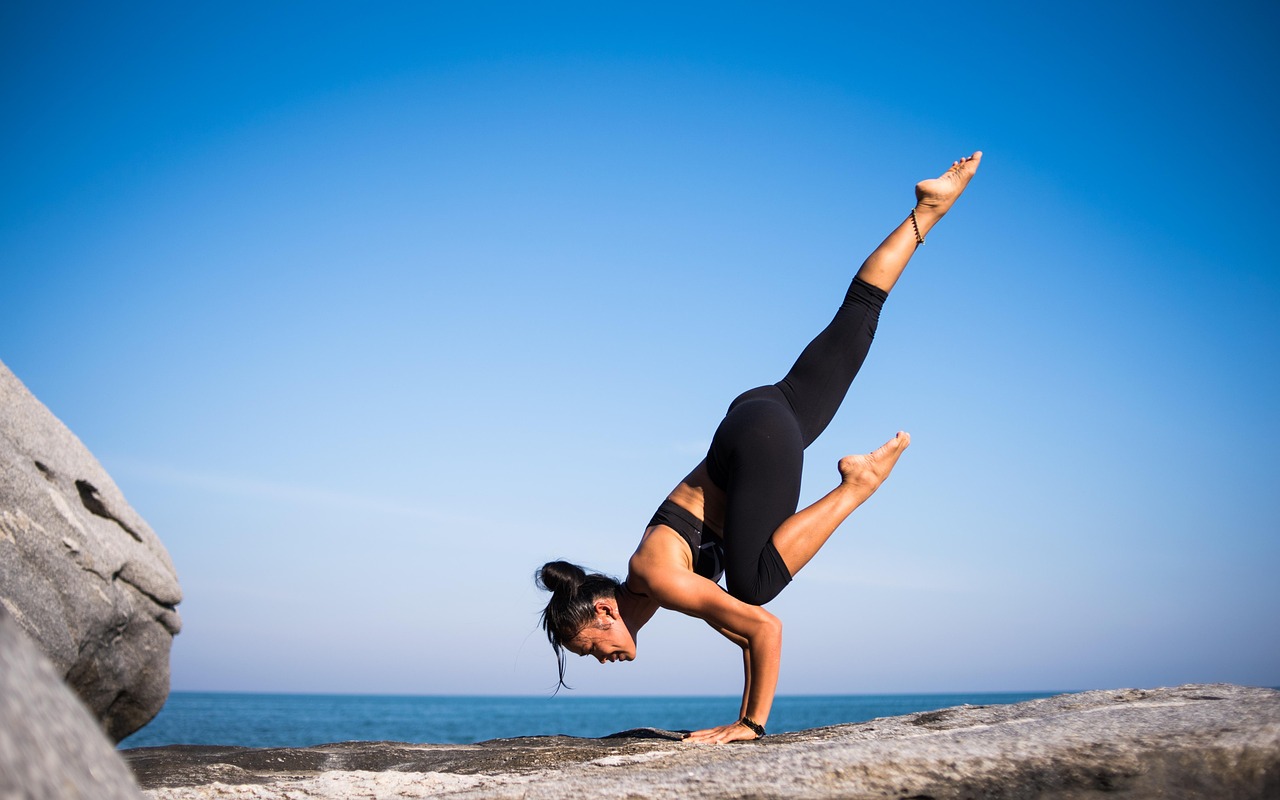
After a long run, your body needs time to recover and repair its muscles. This post-run recovery is essential not only for reducing fatigue but also for enhancing your performance in future runs. Practices like stretching, hydration, and proper nutrition play a crucial role in this process. Among various recovery techniques, yoga is a powerful practice that aids in muscle recovery. Yoga facilitates flexibility and range of motion, allowing tight muscles to relax. This can help prevent injuries and improve your running efficiency over time. Incorporating yoga into your running routine enhances both physical and mental well-being. It helps runners achieve better body awareness and control. You may also notice improved breathing techniques that can positively influence your run. In this article, we will explore various stretching techniques and yoga postures that specifically target areas affected by running. By embracing these techniques, you can significantly improve your post-run recovery and overall running experience. Reap the benefits of integrating yoga into your routine to achieve lasting health benefits. Let’s dive into those specific post-run yoga stretches and techniques.
Essential Yoga Poses for Recovery
Various yoga poses can effectively support your recovery after a running session. Downward Facing Dog is one of these essential poses. This position stretches the spine, hamstrings, and calves, greatly relieving tension and stiffness. Pigeon Pose is another beneficial option; it focuses on releasing tight hips, which often suffer from extensive running. As you ease into this pose, you create space and flexibility in the hip flexors and gluteal muscles. Child’s Pose can also be wonderfully restorative, calming the mind while gently stretching the back and shoulders. When performing these poses, remember to breathe deeply and hold each for several breaths. This practice allows the body to absorb the stretch better, promoting increased blood flow and faster recovery. Incorporating a post-run yoga routine, focusing on these highlighted poses, will assist you in maintaining muscle elasticity. Additionally, reducing running-related stress and strain on your joints will enhance overall running performance. Consistent practice not only aids physical recovery but also contributes significantly to your mental rejuvenation, preparing you for your next run.
Breathing Techniques During Yoga
Incorporating proper breathing techniques is crucial when practicing yoga for post-run recovery. Focusing on your breath can enhance your yoga experience and amplify the results of each pose. The practice of Ujjayi breath, or victorious breath, is a technique to master. This method involves slightly constricting the throat while inhaling and exhaling, creating a sound similar to ocean waves. This breathing technique helps calm the nervous system while allowing you to connect more deeply with your body. Diaphragmatic breathing is another effective method. This technique centers around using your diaphragm for deep abdominal breaths, expanding lung capacity while trapping more oxygen. Implementing these breathing techniques during yoga postures not only promotes relaxation but also enhances oxygen flow to your muscles. Remember to synchronize your breath with your movements for optimal efficiency. Experiment with different techniques, finding what feels best for you personally. By focusing on your breath, you develop better awareness, which can ultimately lead to improved running performance and less stress during your runs. Additionally, breathing techniques significantly reduce post-run fatigue and enhance overall recovery.
Recovery is not solely about physical stretch; it includes mental recovery too. Engaging in yoga after a run can enhance your mental resilience. The act of focusing on your breath and movements creates a meditative state, which is incredibly beneficial in releasing built-up stress. Consider integrating guided meditation sessions after your stretching routines. Meditation can be a perfect complement, calming your mind while reinforcing the positive impacts of your recovery poses. Each session reinforces a sense of self-awareness and body acceptance. It’s vital to acknowledge your body’s signals during your post-run sessions. This attention allows runners to identify limitations, preventing overexertion. Mental recovery promotes motivation and encourages a balanced training approach. Remember, progression takes time and patience; avoid setting unrealistic expectations. Foster a positive mindset by celebrating small victories in your recovery efforts. Establishing this kind of balance ensures that both your body and mind recover, setting you up for future running success. A holistic approach combining stretching, meditation, and mindful practice provides comprehensive benefits. This method can significantly enhance your overall running experience and longevity in the sport.
The Role of Hydration and Nutrition
Post-run recovery also demands careful attention to hydration and nutrition. Adequate hydration is essential for muscle recovery after running. Dehydration can lead to serious cramps and fatigue, impairing your performance in subsequent runs. Drinking water and replenishing lost electrolytes not only helps in restoring balance but also aids in muscular functions. Consider incorporating drinks rich in minerals, like coconut water or sports drinks. Adequate nutrition, particularly following your run, is vital. Consuming an appropriate mix of proteins, fats, and carbohydrates supports muscle repair and replenishes energy stores. Focus on lean protein sources, like chicken or plant-based proteins, combined with whole grains and healthy fats from avocados or nuts. Pair your meals with colorful fruits and vegetables to maximize dietary benefits. Timing is equally important; consuming nutrient-dense foods within 30 minutes post-run enhances recovery rates. Plan your meals accordingly, establishing a routine that complements your running schedule for effective results. This holistic emphasis on hydration and nutrition fortifies your body, ensuring optimal recovery. Together with yoga, these practices create a comprehensive recovery plan that boosts both performance and overall health.
Tracking Your Progress
Monitoring your progress is essential for understanding how yoga impacts your recovery. Using a journal, you can log your post-run experiences and feelings after practicing yoga. Make a note of specific yoga poses that resonated with you and those that provided the ultimate relief. Add metrics concerning your running sessions, including how you felt physically and mentally during your runs. Keep track of recovery times and any improvements in flexibility or muscle soreness. This recording allows for tailored adjustments in your yoga practice and running routines. Establishing long-term objectives will provide you with motivation while encouraging habitual practice. You can also explore online classes or local yoga studios focused on running recovery, offering expert guidance. Engaging with a community of runners who incorporate yoga can provide additional support and inspiration. They can share their experiences, leading to valuable tips for personal improvement. As you monitor your progress, remember that there will be ups and downs. Embrace each step in your Journey, celebrating achievements, no matter how small. Ultimately, this continuous monitoring will help achieve your overall running and health objectives, leading to a more rewarding athletic experience.
Incorporating yoga into your post-run recovery routine offers significant benefits for both your body and mind. By focusing on essential stretching techniques along with proper breathing and hydration, you enhance your overall recovery experience. Developing a structured approach allows for increased flexibility, reduced muscle tension, and improved focus. The integration of yoga challenges your body in a holistic manner. Therefore, achieving balance becomes a natural goal. By addressing the physical and mental aspects of your recovery, you create a sustainable approach to running and yoga. Emphasizing self-care ensures you provide your body the love and attention it deserves. As you nurture this combination, notice how it transforms your relationships with running. Aim to balance your efforts between running and yoga to achieve long-lasting fitness and wellness. Remember, the goal is not just to run but to thrive as a runner. Focus on making these practices an enjoyable part of your lifestyle. Connect with fellow runners for shared experiences and initiatives to promote a healthy running community. Embrace yoga with gratitude, and let it guide you through your running journey while fostering positive, lasting change.