
Stretching Techniques That Support Faster HIIT Recovery
High-Intensity Interval Training, commonly known as HIIT, offers significant cardiovascular benefits. However, any rigorous workout routine can also put stress on your muscles, necessitating effective recovery techniques post-exercise. One approach that many overlook is the incorporation of effective stretching techniques designed specifically for HIIT recovery. These techniques not only help alleviate muscle tightness but also promote flexibility and improve range of motion. Prioritizing stretching can enable you to bounce back quicker between HIIT sessions, ensuring that the next workout is just as productive as the last. This aspect is vital for maintaining consistent performance and avoiding long-term injuries. When your muscle fibers are pliable and properly lengthened after a HIIT workout, you reduce the likelihood of soreness and stiffness that can occur later. This will allow you to maintain your workout schedule without interruption, ultimately leading to a healthier lifestyle. Consider integrating various dynamic and static stretches specifically targeting the muscles you’ve worked during your HIIT training for optimal recovery. Incorporating these stretching techniques can pave the way for both improved performance as well as enjoyable workouts.
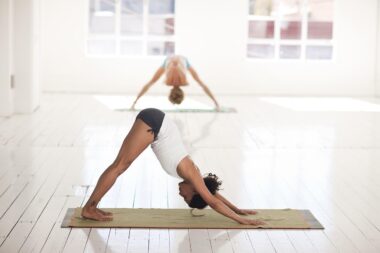
The benefits of practicing effective stretching techniques extend beyond mere recovery. After performing HIIT, your body undergoes a recovery process requiring attention to various muscle groups. For efficient recovery, focus on stretches for the quadriceps, hamstrings, glutes, and lower back—these areas are primarily engaged during intense workouts. Dynamic stretches, such as leg swings or walking lunges prior to workouts, also play a crucial role. They prepare your muscles, making them less susceptible to injury. After completing your session, static stretching becomes essential. Targeting specific areas through static stretches like seated hamstring stretches or quad pulls can alleviate tightness, enhancing overall flexibility. Furthermore, flexibility can further your gains in strength and endurance during HIIT workouts, allowing for better movements. Yoga or guided stretching sessions can be excellent resources to enhance your recovery routine. Focus on breathing deeply during stretches to promote relaxation and muscle lengthening. Developing a solid stretching habit can ultimately enhance your performance and can make your HIIT sessions truly effective without unnecessary fatigue or soreness post-workout.
Effective Static Stretching Techniques
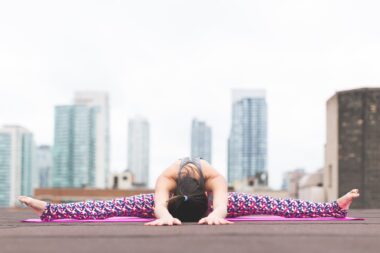
Incorporating effective static stretching techniques into your post-HIIT routine can significantly aid recovery. Static stretches should ideally be performed once your heart rate has normalized and you can focus on deepening your breath. For the quadriceps, standing quad stretches are ideal. By pulling your foot towards your glutes, you create a gentle stretch along the front of your thigh. Similarly, a seated hamstring stretch can effectively target the back of your legs; sit on the floor, extend one leg forward, and reach towards your toes while keeping your back straight. Butterfly stretches can help open up your hips and improve overall flexibility as well. Another beneficial stretch is the child’s pose, which relaxes the back while providing a gentle stretch to the spine. Each stretch should be held for at least 20-30 seconds, allowing your muscles to fully relax and lengthen. This dedicated time to stretching ensures that you are reducing muscle tension, which can lead to faster recovery. Incorporating these techniques into your routine keeps you limber and sets a solid foundation for your next HIIT workout.
Breath-focused stretching techniques also enhance recovery after HIIT workouts. Engaging in deep, rhythmic breathing while stretching can improve overall relaxation and muscle recovery. Each inhalation nourishes the muscles with oxygen, promoting healing, while controlled exhalation helps release stress. Incorporate breathwork by synchronizing your stretches with your breath cycles. For example, extend your arms overhead as you breathe in, lengthening your spine, and fold forward as you exhale, sinking deeper into the stretch. Additionally, you might consider gentle, restorative poses such as the supine spinal twist, which gently releases tension from the spine and lower back while focusing on breath. It’s essential to approach each stretch with mindfulness, avoiding aggressive movements, as caution reduces the risk of injury. The goal is to foster a greater sense of awareness within your body, enhancing your ability to recognize tension areas. By committing to breathe through your stretching routines consistently, you’ll not only improve flexibility but also create a deeper sense of internal harmony and balance, promoting long-term wellness as part of your HIIT program.
The Role of Foam Rolling
Foam rolling has become a popular recovery technique that complements stretching after HIIT workouts. This self-myofascial release technique helps break down knots and tight areas in the muscles, enhancing the benefits of stretching. After completing static stretches, spend approximately 10-15 minutes rolling out the major muscle groups, particularly the quadriceps, hamstrings, and upper back. By applying pressure through foam rolling, you stimulate blood circulation in the affected areas, accelerating recovery times. A foam roller can effectively target trigger points, promoting relaxation and reducing muscle soreness. Integrating this into your cooldown routine can help release lactic acid build-up from your workout, preventing stiffness in the days following your HIIT sessions. Ensure you emphasize roller techniques that mimic the movements of your workout, tailoring the release to your body’s needs. Listen to your body; if you encounter particularly tight areas, spend extra time working on those spots. Engaging in foam rolling diligently alongside stretching can significantly enhance your recovery and maintain your performance, making it a worthy addition to any athlete’s regimen.
Schedule your stretching and recovery techniques as part of your overall workout plan. The time dedicated to stretching and foam rolling should be seen as equally important as the HIIT workout itself, ensuring you prevent injuries and sustain performance. Post-workout, give yourself at least 15 to 30 minutes to focus solely on these activities to maximize recovery benefits. Initially, it may seem tempting to skip these routine practices when pressed for time, but this could lead to long-term setbacks. Remember, proper recovery fosters improved strength gain and muscle endurance for future training. Challenge yourself to stay consistent, as the more familiar you become with various stretching techniques, the easier it will be to integrate them regularly. Also, consider engaging with an online fitness community where participants share their personal experiences and stretch routines. Such platforms can provide motivation and tips for improving your recovery process. With persistence, these stretching and recovery activities will naturally become an essential component of your fitness journey, significantly enhancing your overall HIIT workout performances.
Summary of Stretching for HIIT
In summary, incorporating various stretching techniques in conjunction with your HIIT workouts offers unparalleled recovery benefits. The combination of dynamic stretches pre-session and static stretches post-session creates a well-rounded approach to maintaining flexibility and reducing muscle soreness. Remember to engage in breath-focused techniques and complementary practices like foam rolling. Together, these elements contribute to a holistic recovery strategy aimed at sustaining peak performance during your training regimen. Consistency is key; maintain this routine diligently to witness improvements not just in recovery but overall fitness. Encourage yourself to explore different stretching techniques, mixing them into your routine based on your comfort and preferences. From quadriceps and hamstring stretches to restorative yoga poses, find those that resonate best with your body. Incorporate these practices into your post-workout cooldown sessions, producing long-lasting benefits. Ultimately, prioritizing recovery with effective stretching can lead you to enjoy your HIIT sessions with minimized discomfort and improved results. Tread wisely within your fitness journey, ensuring you celebrate every step towards optimal health and performance.