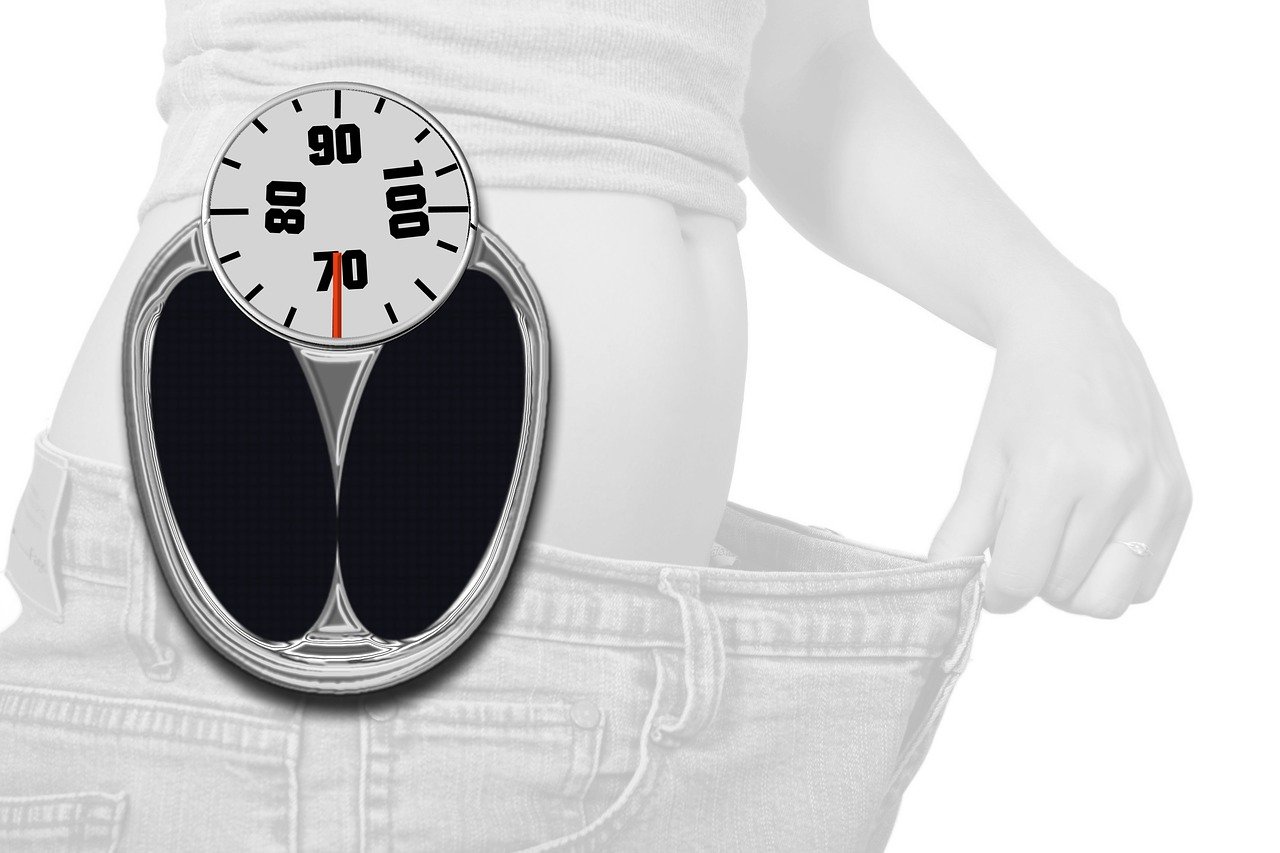

Setting Realistic Weight Loss Goals: The First Step to Success
Embarking on a weight loss journey can seem daunting at first, but setting realistic goals is crucial for success. It’s important to understand that healthy weight management is a gradual process that requires patience and dedication. Start by assessing your current situation, including your body weight, lifestyle, and eating habits. Write down specific goals you hope to achieve within a defined time frame. Remember to avoid lofty expectations; instead, focus on small, achievable milestones. For example, aim for losing one to two pounds per week, which is generally considered a healthy rate of weight loss. You may also want to consider incorporating physical activity into your routine. Engaging in regular exercise not only helps burn calories but can boost your motivation and improve your overall well-being. Make sure to track your progress as you work towards your goals. Celebrate your achievements, whether big or small, to stay motivated on your journey towards maintaining a healthy weight. Staying focused on your goals will guide your efforts and encourage the development of healthier habits over time.
Another essential aspect of setting realistic weight loss goals is to ensure they align with your personal lifestyle. Not everyone’s circumstances are the same, and identifying your unique challenges can help develop a plan that fits your individual needs. You’ll want to consider your daily schedule, personal preferences, and even any emotional triggers that cause you to overeat. For instance, if you know that you often snack when bored, finding alternative ways to engage your mind might be beneficial. Additionally, it’s important to be flexible in your approach; if a goal is too difficult to maintain or seems unrealistic, adjust it to better suit your lifestyle. Consistency over perfection is key here. You might also want to consult with a healthcare or nutrition professional before embarking on your weight loss journey. They can offer support and help you create a tailored plan that encourages longer-lasting results. Remember, every person’s body reacts differently to diet and exercise, so your weight loss journey should be customized and sustainable for effective results.
Understanding Your Motivation
Understanding your motivation for losing weight can significantly impact your success. Reflecting on why you want to reach your goal can provide clarity, purpose, and direction. Common motivations people have include improving health, boosting self-esteem, or fitting into specific clothing. Identifying these driving forces will help you stay committed, especially during challenging times. Write down your reasons for wanting to lose weight and revisit them regularly to reinforce your commitment. Another helpful tip is to visualize your end goals, picturing how you want to look and feel. This mental imagery can serve as a motivational tool. If your motivation stems from a desire to feel healthier, consider keeping a journal to track how your energy levels and mood improve as you lose weight. Furthermore, remember to surround yourself with supportive friends and family who can encourage you on this journey. Sharing your goals with others can foster accountability while creating a positive environment that reinforces your motivation.
To set realistic weight loss goals, it’s important to also be mindful of your nutritional intake. Consulting with a nutritionist can equip you with accurate information about which foods promote a healthy caloric deficit. Incorporating a balanced diet filled with vegetables, fruits, lean proteins, and whole grains is vital for achieving sustainable weight loss. Avoid crash diets or drastic caloric restrictions, as these can lead to harmful consequences and are often ineffective in the long run. Instead, cultivate a mindful approach to eating, focusing on portion control and savoring each bite. Consider meal prepping to reduce the likelihood of impulsive food decisions, particularly on busy days. A well-planned diet can empower you to make wiser food choices, leading to steady weight loss progress. You may also want to journal your meals, which can reveal important insights about your eating habits, helping you identify emotional triggers or patterns. This awareness can pave the way for healthier decision-making moving forward as you work towards your realistic weight loss objectives.
Incorporating Physical Activity
Incorporating physical activity into your weight loss plan is essential for achieving your goals. Regular exercise not only helps facilitate weight loss but also improves your overall health and boosts your mood. Finding an enjoyable activity or sport can significantly enhance your likelihood of sticking with it. Aim for at least 150 minutes of moderate aerobic exercise or 75 minutes of vigorous exercise per week, as recommended for adults by health professionals. Activities like brisk walking, cycling, swimming, and dancing may be great starting points. It’s crucial to choose exercises that you enjoy, as this will motivate you to stay active. You might also want to consider strength training, which builds muscle and boosts your metabolism. Incorporating variety into your routine can keep things exciting and prevent boredom. Set achievable fitness goals alongside your weight loss objectives. For example, you could challenge yourself to reach specific milestones, such as completing a certain number of workout sessions each week. Having a clearly defined exercise goal complements your weight loss journey and aids in maintaining long-term weight management.
Another meaningful component in achieving your weight loss goals involves maintaining a positive mindset. It’s not uncommon to encounter obstacles along your journey, and managing stress and setbacks constructively is paramount. Developing resilience can strengthen your resolve to push through challenges. Consider implementing stress-management techniques like meditation, yoga, or deep-breathing exercises into your routine. Surround yourself with positive influences that uplift and empower you to remain focused on your goals. Engaging in supportive communities, whether in-person or online, can provide valuable encouragement. Additionally, practice self-compassion and forgiveness when slip-ups occur. Understand that fluctuations and mistakes are part of the journey; don’t let them derail your progress. Instead, use these experiences as learning opportunities to adapt and overcome. Regularly remind yourself of your goals and maintain a long-term perspective. Celebrate small achievements, recognizing that weight loss is a continuous journey, one that requires acknowledgment of both progress and areas for growth. Keeping a balanced and adaptable mindset can make all the difference in your weight loss success.
Tracking Progress Effectively
Tracking your progress plays a significant role in maintaining motivation and accountability. Regularly monitoring your weight, dietary choices, and physical activity can offer you essential insights into your weight loss journey. Consider using apps or tools that document these aspects, making the process easy and accessible. Whether you prefer digital or traditional journaling methods, find a system that works best for you. Write down not just numbers, but also how you feel physically and emotionally throughout the journey. Documenting changes in fitness levels or emotional well-being can motivate you to push through plateaus. Additionally, setting specific benchmarks can help measure your progress without relying solely on the scale. Take note of changes in your energy levels, improved sleep quality, or how your clothes fit. These non-scale victories are often just as important, if not more so, than the number displayed on the scale. Reflecting on your journey allows you to stay connected to your goals, ensuring they remain within reach. Make adjustments to your plan as needed to stay aligned with your overarching weight loss objectives, keeping motivation high.
Lastly, remember to celebrate your accomplishments along the way, no matter how small. Acknowledging your hard work and progress is essential for maintaining motivation in the long haul. Create rewards for yourself when you hit important milestones; these can be small treats like enjoying a favorite movie, indulging in a spa day, or purchasing a piece of clothing you’ve been eyeing. It’s crucial that these rewards encourage healthy habits rather than negate your hard work. Celebrate your journey rather than focusing on the final destination. Share your achievements with friends and family; their support can enhance your sense of accomplishment. Be proud of your progress and the improvements you’ve made, both physically and mentally. Each step forward demonstrates resilience and commitment. As you continue setting realistic weight loss goals, embrace the journey. Learning to love yourself and your body at every stage can create lasting change. Your weight loss journey isn’t just about the end results; it’s about creating lifelong healthy habits.