
Injury Prevention Techniques for Marathon Race Day
Preparing for marathon race day involves several techniques focused on injury prevention, crucial for sustaining performance. First and foremost, proper warm-up exercises can enhance blood flow, making your muscles more elastic. This should include dynamic stretches, mimicking your running form to prepare both body and mind for the race. Following warm-ups, ensure adequate hydration. Dehydration can lead to muscle cramps, significantly increasing injury risk. It’s advised to drink water or electrolyte solutions prior to the race and during as needed. Moreover, wearing appropriate footwear is key; it should provide proper shock absorption while offering the necessary support. Invest in running shoes that suit your foot type and running style. Additionally, pay significant attention to your planned pacing strategy. Starting too fast increases fatigue’s risk and the likelihood of potential injuries. Lastly, employing preventive taping techniques on vulnerable body parts, such as your ankles or knees, can also be beneficial. These techniques offer stability, reducing the risk of sprains or strains. By implementing these strategies, marathon runners can safely enjoy their race experience and minimize unforeseen injuries.
Another critical aspect of injury prevention during marathon training is ensuring an adequate recovery period. After your training bouts, it is vital to allow enough time for muscle repair, which means scheduling rest days. During these days, the body works to repair microtears that occur naturally during training, gradually building strength and resilience. Furthermore, consider incorporating cross-training into your regimen. Activities such as swimming, cycling, and yoga can enhance your running fitness while minimizing stress on your joints, leading to a lower injury risk. It’s also essential to be mindful of your body signals. If you experience unusual pain or discomfort, do not ignore it. Paying attention could prevent a serious injury from developing, allowing you to seek proper rest or medical advice when needed. Additionally, varying your running surfaces can reduce impact-related injuries. Transitioning between pavement, trails, and grass may help lessen the repetitive strain placed on your joints. Incorporating strengthening exercises specifically for the core and leg muscles can also support a stronger foundation, enabling better form and posture. This practice helps keep your stride efficient and reduces injury risk.
Nutrition and Hydration Strategies
An adequate nutrition plan is indispensable. On race day, incorporate easily digestible foods that are rich in carbohydrates, fueling your energy stores. Consuming snacks like bananas or energy bars can provide quick energy when paired with hydration techniques. Pre-race meals should focus on complex carbohydrates along with proteins. Bananas and oatmeal are excellent options. There’s also significant emphasis on hydration strategies. Begin your hydration plan days before the race, and adhere to drinking fluids regularly to optimize performance. On race day, small sips of water or an electrolyte drink at consistent intervals can prevent dehydration. It’s advisable to avoid excessive amounts at once to retain comfort while running. Post-race, reinforcing hydration is equally crucial; rehydrating helps your body recover more effectively. Consuming protein after the race aids in recovery, helping muscles rebuild and repair promptly. Consider drinks with electrolytes for rapid absorption. Also, learning to read your body’s signals for hunger and thirst will contribute to a healthier overall balance and recovery through the race cycle. With these practices in place, runners can significantly enhance their marathon journey.
Incorporating strength training into your routine can fortify your muscles and improve overall performance. Many marathon runners mistakenly prioritize only their distance runs without considering supplementary strength workouts. Resistance training develops the stabilizing muscles that contribute to running efficiency. It helps increase your overall power output while providing necessary support to joints, thus protecting from injuries. It’s advisable to focus on compound movements targeting major muscle groups such as squats, lunges, and deadlifts. Furthermore, practicing mobility exercises can significantly support injury prevention. Regularly stretching yourself through yoga or foam rolling sessions can enhance flexibility and relieve muscle tightness. This can accelerate recovery while also improving your range of motion, making it easier for your joints to work efficiently during runs. Developing a consistent routine for foam rolling can alleviate fascia tightness, breakdown knots, and enhance blood circulation. Moreover, setting realistic goals for your training can keep excessive strain at bay. By establishing achievable targets, runners can keep themselves motivated without overextending or pushing themselves too hard. This balanced approach fosters a more sustainable training environment, reducing the chance of injuries as race day approaches.
Racing Equipment and Gear
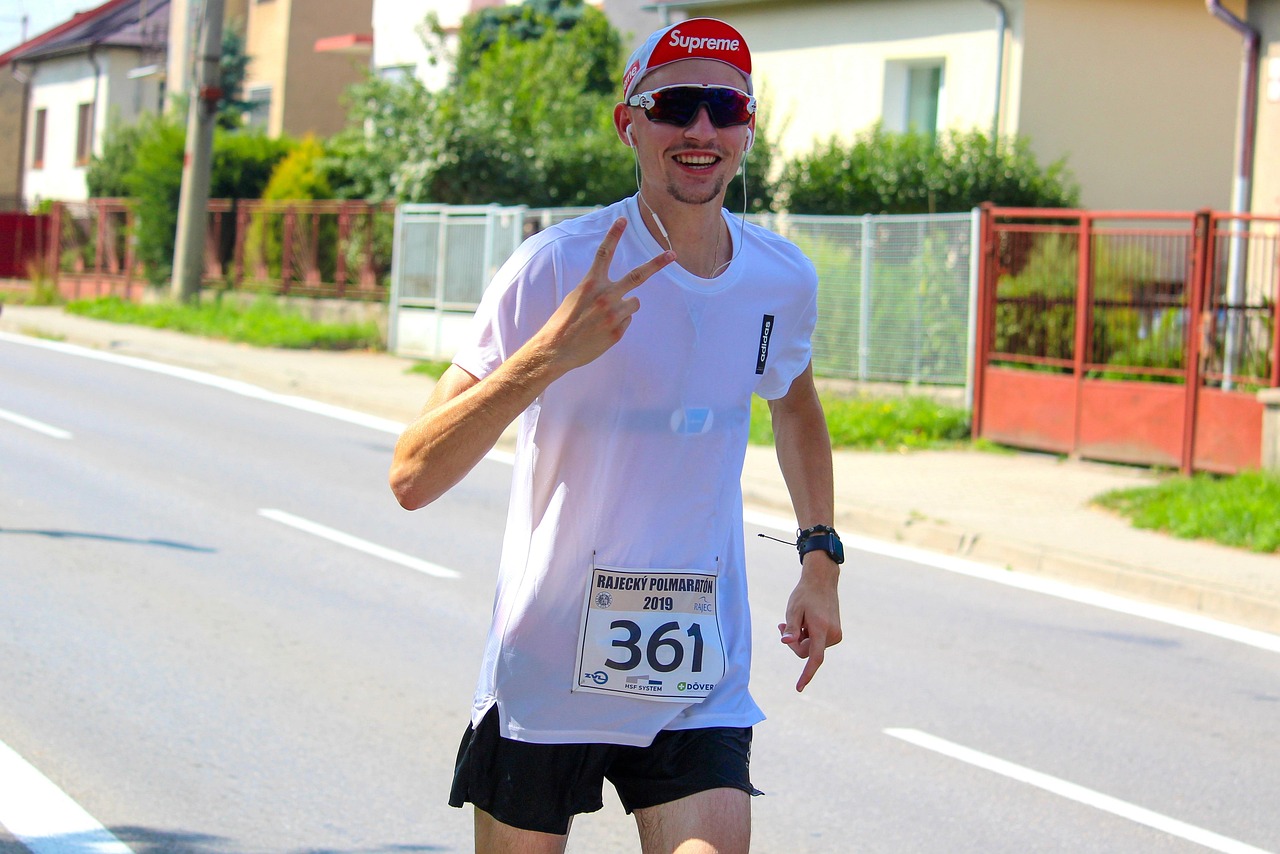
On race day, the gear you utilize plays a vital role in preventing injuries. Besides shoes, appropriate clothing made of moisture-wicking materials can help regulate your body temperature. This minimizes the risk of chafing or overheating during the competition. A comfortable, well-fitting outfit promotes focus and comfort as you run. Moreover, utilizing compression gear may aid in reducing muscle soreness and supporting blood circulation. Wearing compression socks or sleeves during and after the race can help prevent swelling and offer additional support to the leg muscles. Consider incorporating GPS watches or performance trackers into your gear. They help you keep track of your pace, heart rate, and distance, allowing for better race pacing decisions. Moreover, having access to this data can make it easier to identify when you’re pushing too hard or risking injury. Lastly, lightweight and moisture-absorbing accessories, such as hats or visors, are essential for long durations under the sun. This helps in avoiding heat-related issues, ensuring optimal focus during your race. Selecting appropriate gear can significantly contribute to a successful marathon race experience.
Additionally, seeking professional guidance can be a game-changer. Engaging with a coach or running expert can enhance your training regimen while highlighting injury prevention techniques tailored to your needs. Discussions on form analysis may provide insights that significantly impact your running efficiency, contributing to reduced injury risks. A personalized training plan equipped with nutrition and recovery advice ensures that all bases are covered. Furthermore, physical therapy may help identify weaknesses or imbalances in your running mechanics, ultimately offering corrective measures. Regular check-ins with a physical therapist can enhance body awareness, enabling early detection of potential injury signs. Emphasizing mobility work can ease muscle tightness, making your body more adaptable during runs. Additionally, learning how to properly foam roll can ease tightness and improve recovery times considerably. Pay attention to attending workshops or clinics focused on injury prevention; these resources can give you invaluable knowledge to apply on race day. Also, joining local running groups can inspire you to enrich your training while fostering camaraderie. Combining elements of professional guidance with personal strategies equips runners with valuable tools for optimal marathon performance.
Final Thoughts and Recap
Ultimately, successful marathon race day preparation depends heavily on proactive injury prevention techniques. From efficient warm-ups to hydration and nutrition, each aspect plays a crucial role in safeguarding your physical condition. Moreover, runners must prioritize understanding their bodies’ responses, allowing athletes to detect and manage fatigue as it develops. Incorporating strength training and mobility work yields notable benefits as well. Choosing the correct gear fosters additional comfort, allowing focus on performance instead of discomfort. Professional guidance from trainers or therapists can provide much-needed insights into your routines, ensuring you apply effective strategies. By engaging with fellow runners, sharing experiences can create a supportive environment that nurtures collective training progress. Furthermore, the significance of rest and recovery cannot be overlooked; both are crucial components of any successful training plan. The synergy between training regimen, nutrition, and personal wellbeing sets the foundation for an outstanding marathon outcome. By implementing these techniques, runners can confidently approach race day, minimizing the potential for injuries while maximizing performance. Ultimately, dedication to injury prevention nurtures longevity in the sport, allowing for repeated success in future marathons.