
Injury Prevention and Management in Powerlifting
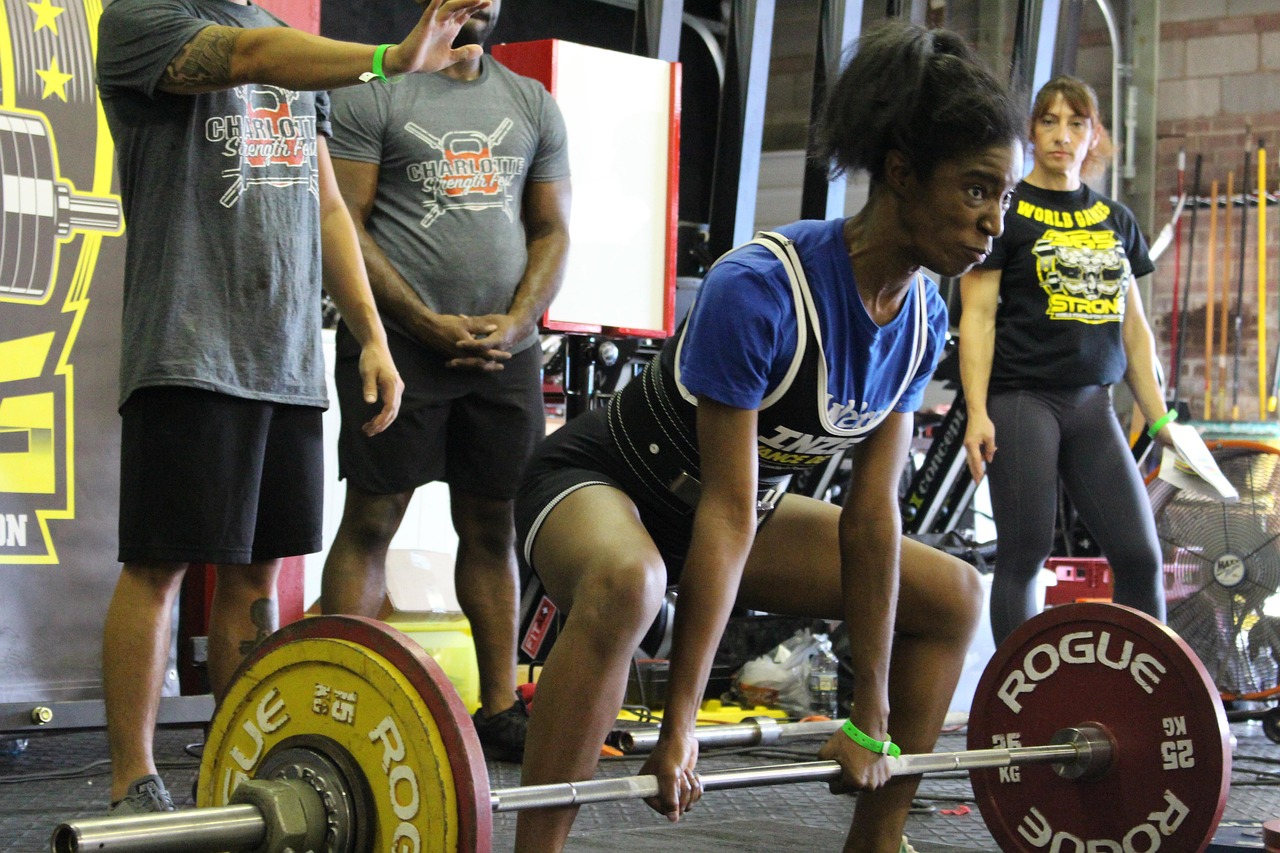
Powerlifting is a highly demanding sport that requires precision, strength, and resilience. To achieve optimal performance, lifters must focus on solid techniques and proper training regimens. Unfortunately, injuries can occur, making injury prevention and management essential components of any training plan. Effective strategies include implementing a thorough warm-up routine, which should involve dynamic stretches and mobility exercises. Adequate rest is also crucial, allowing muscles and joints to recover from the stresses of lifting. Lifters should pay close attention to their form, ensuring they maintain proper body mechanics to minimize injury risks. Additionally, nutrition plays a significant role in supporting overall muscle health and recovery. Here are some tips for injury prevention:
- Prioritize mobility work.
- Incorporate strength training specific to muscle imbalances.
- Monitor your training load to avoid overtraining.
- Consult with a coach for form checks.
When injuries do occur, it’s essential to identify the root cause and seek appropriate treatment. Understanding how to manage these injuries effectively can help you return to powerlifting with reduced risks.
Effective training plans often focus on progression and adaptation. However, those same plans must also consider injury management strategies. In the event of an injury, lifters should seek medical advice immediately to determine the severity and appropriate course of action. Common injuries in powerlifting include strains, sprains, and tendonitis. It’s important to listen to your body and understand when to rest. Ignoring pain can lead to more severe injuries or prolonged recovery periods. Applying appropriate treatment methods such as ice, compression, and elevation, commonly referred to as R.I.C.E., can aid in reducing inflammation. Furthermore, actively rehabilitating the injury with targeted exercises is crucial for recovery. Resources including physical therapy may also enhance recovery rates. Here are some factors to consider for effective injury management:
- Stay informed about your condition.
- Engage in rehabilitation-specific exercises.
- Follow protocols set forth by healthcare professionals.
- Gradually reintroduce lifting but adjust your weights accordingly.
This multifaceted approach encourages a successful return to powerlifting while prioritizing safety.
Understanding Common Injuries
Understanding common injuries in powerlifting is crucial for lifters looking to optimize their performance while minimizing risks. By identifying these common ailments, lifters can implement preventive measures in training. One prevalent injury is the lower back strain, often caused by improper lifting technique. Strengthening exercises focused on core stability can help protect the lower back during heavy lifts. Another common issue is shoulder tendonitis, which can arise from overuse or poor mechanics in pressing movements. Lifters should ensure proper form during the bench press and overhead press to reduce stress on the shoulders. Patellar tendonitis, often referred to as “jumper’s knee,” can affect lifters who perform heavy squats. Incorporating supplementary exercises that enhance knee stability is essential. Here are some strategies to prevent common injuries:
- Practice proper lifting mechanics.
- Allow designated rest days for recovery.
- Employ varying intensity levels in your training.
- Incorporate appropriate mobility exercises.
Focusing on these aspects can greatly reduce injury occurrences.
In addition to understanding injuries, proper nutrition supports recovery and injury prevention in powerlifting. A well-balanced diet rich in essential nutrients plays a significant role in muscle healing and overall well-being. Consuming adequate protein is crucial, as it aids in muscle repair and growth. Lifters should also prioritize carbohydrates which provide the necessary energy for training. Enhancing recovery through food choices can alleviate the overall impact of stress on the body. Including omega-3 fatty acids, found in fish or flaxseed, can reduce inflammation and promote joint health. Hydration also remains an essential aspect, as maintaining fluid balance helps preserve muscle function. Here are key nutritional strategies:
- Consume a high-protein diet.
- Incorporate anti-inflammatory foods.
- Maintain adequate hydration levels.
- Use supplements if necessary, but consult a professional.
Tailoring your nutrition habits can lead to remarkable improvements.
The Role of Rest in Recovery
Rest is a critical factor that is often overlooked in powerlifting. Many athletes assume that pushing harder every session will yield better results. However, fatigue accumulation can lead to diminishing returns in performance and increased injury risk. Recovery days allow the body to heal and strengthen. Quality sleep is equally important; it aids in muscle recovery and mental focus for training. Implementing rest days or lighter workout sessions can yield notable benefits. Monitoring body signals is vital, and recognizing when to take a break can lead to sustainable progress over time. Strategies to enhance recovery include:
- Prioritize sleep.
- Schedule regular rest days.
- Use tactics like foam rolling and stretching.
- Listen to your body and adjust your training accordingly.
By investing in rest, powerlifters can achieve better performance and reduce their injury risk significantly.
Moreover, psychological factors also play a critical role in injury prevention and management. Mental preparedness can significantly affect a lifter’s performance and decision-making during training or competitions. Powerlifters may experience fear of injury, which can hinder their ability to lift effectively. Including mental training techniques, such as visualization or positive self-talk, can help promote confidence during lifts. Engaging in regular feedback sessions with coaches is vital not only for physical alignment but also for mental clarity in objectives. A holistic approach considers emotional well-being as integral to performance improvement. Here are mental strategies to apply:
- Practice mindfulness or stress-relief techniques.
- Set realistic goals based on capabilities.
- Focus on personal growth rather than competition.
- Work collaboratively with coaches throughout.
Building psychological resilience can prove beneficial for injury prevention.
Essential Equipment for Safety
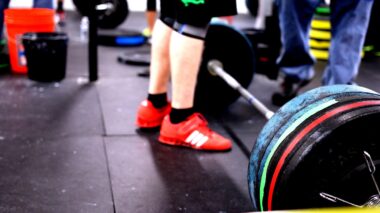
Investing in the right equipment is essential for maintaining safety during powerlifting sessions. Proper footwear designed specifically for lifting provides optimal support and stability. Weightlifting belts, when used correctly, help support the lower back during heavy lifts, ensuring better mechanics. Additionally, wrist wraps can provide essential support for pressing movements, minimizing strain on the joints. Keeping lifting gear in good condition is crucial; regularly checking for wear and tear is essential to avoid unexpected injuries. Always ensure that the gym environment is suitable for lifting, which includes properly maintained equipment and adequate space. Key considerations for lifting equipment include:
- Use lifting shoes designed for performance.
- Incorporate supportive weightlifting belts.
- Utilize wrist wraps for extra support.
- Evaluate the gym environment critically.
Choosing the right equipment is a fundamental aspect of injury prevention in powerlifting.
In conclusion, injury prevention and management in powerlifting is a multifaceted process that incorporates various elements like technique, nutrition, rehabilitation, and mental preparedness. Lifters must remain vigilant in monitoring their body signals and distinguishing between normal fatigue and possible injury. This attention to detail can significantly enhance training effectiveness and reduce the risk of long-term injuries. Establishing a strong relationship with qualified coaches and medical professionals can lead to greater understanding and execution of safe and effective lifting practices. Emphasizing teamwork and communication can help create a supportive training atmosphere. By prioritizing injury prevention and recovery strategies, you can substantially improve your longevity in the sport of powerlifting. Consider adopting these practices as you progress. Focus on your health to maximize your lifting potential; continuous learning and adaptation in your approach will benefit you in the long run. Remember, taking these steps not only adds to performance enhancement but also encourages a healthier relationship with the sport. It is essential to approach powerlifting responsibly, prioritizing safe practices and ensuring your body remains fit for the challenges ahead.