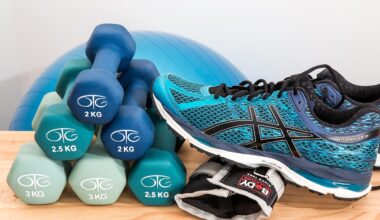

How to Prepare Your Body for Active Travel Adventures
Preparing your body for active travel is crucial for enjoying adventures while staying healthy. Begin with a thorough fitness assessment to identify your current fitness level. If your activities include hiking, biking, or skiing, tailor your training to build endurance, strength, and flexibility. Incorporate cardio workouts, as they enhance your heart’s capacity and boost oxygen flow through your body. In addition to cardio, resistance training will strengthen your muscles, allowing you to handle physical challenges effortlessly. Moreover, don’t forget about core stability, as it stabilizes your body during various activities. Prioritize a balanced diet rich in protein, lean meats, vegetables, and whole grains to support your workouts. Stay hydrated, especially in high-altitude environments where dehydration can sneak up on you. Practice mobility exercises to improve joint range and reduce injury risk on rough terrains. Lastly, get enough sleep before traveling to ensure your body is well-rested, ready to function optimally, and cope with physical demands while exploring new places. Follow these guidelines, and you’ll be set for active adventures!
Nutrition and Hydration Strategies
Proper nutrition and hydration are vital components in preparing your body for active travel. Focus on consuming nutrient-dense foods, which provide essential vitamins and minerals for optimal performance. Meal prepping before traveling can help you control portions and maintain healthy eating habits on the go. Also, remember to incorporate healthy snacks like nuts, energy bars, or fruit. These options can sustain your energy levels throughout your journey. Regarding hydration, begin drinking water well in advance of your trip. This will prime your body, keeping it hydrated during travels. Carry a reusable water bottle, ensuring you have constant access to water while reducing plastic waste. Electrolyte drinks can also be beneficial, especially if engaging in high-intensity activities or traveling to different altitudes. Before strenuous activities, have a quick snack that combines carbs and protein to fuel your muscles. Post-activity, consume a recovery meal to replenish nutrients, aiding in muscle repair. Understanding your body’s nutritional needs during travel keeps your energy high and ensures you fully enjoy every active moment. Stay mindful of these tips!
Incorporating a tailored workout plan into your pre-travel routine enhances your body’s preparedness beautifully. Such a plan should encompass various elements including aerobic workouts, strength training, and flexibility exercises. Aim for at least three days a week dedicated to these workouts, gradually increasing intensity to mirror the activities you’ll pursue. High-Intensity Interval Training (HIIT) is an effective method for building endurance. It allows for short bursts of exertion followed by recovery periods, mirroring the intervals often encountered on long hikes or cycling trips. Yoga or pilates can improve flexibility and promote mental relaxation, essential for maintaining focus while navigating new terrains. Consider engaging in outdoor activities like trail running or cycling, which simulate the outdoor adventures you’ll embark on. If time permits, exploring local gyms or fitness classes while traveling can keep your routine consistent. Additionally, strengthen your core, as it plays a pivotal role in maintaining stability. Performing compound movements such as squats and deadlifts will not only engage multiple muscle groups but also build functional strength. Track your progress, celebrate small milestones, and adjust your goals to stay motivated!
The Importance of Rest and Recovery
Balancing your workout plan with sufficient rest and recovery is essential to ensure effective preparation for your active travel adventures. Recovery allows your muscles to repair and grow stronger after intense workouts, decreasing the risk of injury. Consider incorporating active recovery days into your weekly schedule, where you engage in light activities like walking or stretching. These activities keep blood flowing without overstressing your body. Moreover, prioritize sleep as it plays a crucial role in recovery; a well-rested body performs better in demanding circumstances. Avoid the temptation to skip sleep to pack or prepare. Instead, create a comfortable sleeping environment and aim for 7-9 hours of quality rest. Mindfulness and relaxation techniques, such as meditation or deep breathing exercises, can also aid in recovery by reducing stress levels. During actual travel, listen to your body when it demands rest. If fatigue sets in, take a break to recharge your mental and physical well-being. Finally, a post-trip recovery regimen is equally essential, allowing you to return to your routine refreshed and injury-free. Never underestimate the power of proper recovery!
Injuries can derail even the most enthusiastic travelers, so learning injury prevention strategies is vital. Before embarking on your active travel adventures, familiarize yourself with common injuries associated with your chosen activities, such as sprains, strains, and blisters. Conduct a proper warm-up before each physical activity, increasing your blood flow and flexibility. Stretching dynamically warms your muscles, helping reduce injury risk significantly. Employ proper technique during all activities to minimize strain on your joints; this includes wearing the right footwear recommended for specific sports or terrains. Furthermore, don’t overlook the importance of listening to your body’s signals. If something feels off, take a moment to assess it, rather than pushing through discomfort. Carry a small first-aid kit while traveling, including necessary items for addressing minor injuries. Familiarize yourself with areas where nearby medical assistance is available in case of emergencies. Adapt your activity levels to match your physical capabilities and gradually expose yourself to more challenging tasks. This conservative approach helps familiarize your body with varying stressors without overwhelming it. Always prioritize your well-being!
Making the Most of Your Active Travel
Once you’ve prepared your body through workouts, nutrition, and recovery, it’s time to make the most of your active travel experience. Embrace every activity! Approach excursions with a sense of adventure and curiosity—often, it’s the smaller moments that create the most lasting memories. Choose group activities to stay motivated and inspired by fellow travelers who share similar interests. If you’re visiting new locations, consider local guides who can further enhance your experience by offering insights about the terrain and culture. Familiarize yourself with the area beforehand to identify exciting trails and hidden gems. Always stay flexible with your plans; while it’s great to have a strategy, spontaneity often leads to delightful surprises. Document your journey through photos, journaling, or even social media posts, as this captures memorable moments. Engaging in fitness activities while traveling not only enhances your physical condition but also enriches your mental state. Finally, enjoy downtime by unwinding with local cuisine or soaking in scenic views, as these experiences rejuvenate your spirit. Fully immerse yourself in each activity!
In conclusion, preparing your body for active travel adventures involves a holistic approach encompassing fitness, nutrition, rest, and injury prevention. The initiation begins weeks ahead with a well-structured workout plan that builds strength and stamina. As you focus on nutrition, consider meal prepping to sustain energy levels during travel. Strengthening your body through various exercise types enhances performance and decreases injury risks. Always remember to prioritize hydration, ensuring your body remains fueled for activity. Implementing adequate rest and active recovery days promotes healing and optimizes functionality throughout various experiences. Stay vigilant toward signs of injury, addressing them early to avoid long-term complications. Strive to make each activity a memory-filled adventure, enhancing the experience through local insights and spontaneous moments. Capture the essence of each journey as it offers opportunities for personal growth and relaxation. By following these strategies, your body will be well-prepared for the rigors of active travel, allowing you to enjoy every facet of your adventures to the fullest. Embrace your next travel journey with confidence!
To further enrich your active travel experience, ensure you prioritize relaxation and self-care. Engaging with natural surroundings and exploring different cultures can rejuvenate your spirit. Remember to enjoy the journey, take frequent breaks, and immerse yourself fully in each place you visit. Achieving a balance between activities and downtime gives your body time to recover while enhancing the travel experience. Playing games outdoors with fellow travelers or locals can also add a fun twist, promoting teamwork and camaraderie. Local cuisines provide not only delicious opportunities to taste but also an exploration of diverse nutrition options tailored to various cultures. Witness new environments and indulge in the beauty surrounding you. Reflect on daily experiences through journaling. It encourages mindfulness and helps assimilate adventures, making every highlighting moment easier to remember. Plus, sharing these reflections can deepen connections with others who’ve shared similar experiences. Embrace adaptable itineraries, and allow spontaneity to guide some moments of your journey. Ultimately, travel should be a source of joy, adventure, and personal growth. Prepare wisely, and enjoy every heartbeat of your active ventures!