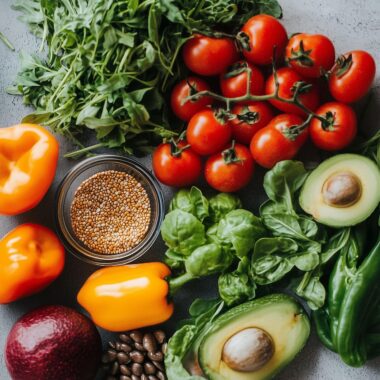

Detoxing on a Budget: Affordable Detox Diet Meal Plans
Embarking on a detox diet can be a financially daunting task, but it doesn’t have to be. Following a detox meal plan on a budget requires resourcefulness and creativity. Instead of relying on expensive supplements or pre-packaged detox kits, consider incorporating natural, whole foods into your diet. Budget-friendly fruits and vegetables like kale, spinach, bananas, and apples are not only nutritious but also supportive of your detox goals. Meal prepping is a practical approach; cooking in batches and portioning meals reduces waste and helps you stick to your plan. Search for seasonal produce to keep costs down. Local farmers’ markets often provide affordable, fresh options that are ideal for detoxing. You can also explore community-supported agriculture (CSA) programs that deliver fresh veggies and fruits at lower prices. Additionally, explore cooking techniques like steaming and sautéing, which retain nutrients while being cost-effective. A well-structured grocery list can help you avoid impulse buys and keep your spending within budget. With careful planning, you can enjoy the detox benefits without breaking the bank.
A practical detox meal plan should start with some foundational principles to ensure success and satisfaction. First, focus on integrating fresh, organic produce as much as possible. Opt for cheaper bulk items like rice, oats, and legumes that provide fiber and sustain energy. Incorporate hearty grains such as quinoa or brown rice, which are fulfilling and affordable. Be sure to include plenty of hydration in your detox plan, considering water as the primary beverage. You can infuse water with lemon, mint, or cucumber for added flavor without the cost of sports drinks. This simple method keeps your hydration goals in check without extra expenses. If you’re looking for protein sources, consider incorporating beans and lentils, both enzyme-rich and wallet-friendly options. Next, aim for variety in your meals. This will not only help you stay engaged with your meal plan but also ensure you’re obtaining a wide range of nutrients. Emphasizing meal diversity will reduce food fatigue and enrich your detox experience. With these guidelines, you’ll craft effective and delicious meals to enhance your detox efforts.
Sample Affordable Detox Meal Plan
A practical first day of a detox meal plan might look like this: for breakfast, consider oatmeal topped with bananas and a sprinkle of chia seeds. This will fuel your day while being gentle on your wallet. For lunch, a hearty vegetable soup packed with carrots, celery, and any seasonal produce provides essential vitamins while maintaining budget mindfulness. Choose hearty grains as the base; cooking in bulk ensures meals can last for several days. Additionally, a simple dinner option could be a stir-fry with frozen or fresh vegetables served over brown rice or quinoa that can be prepped beforehand. Snack options include raw veggies like carrots or bell peppers, paired with hummus, providing a nutritious option to curb cravings. Throughout the day, remember to sip on infused water to enhance flavor. Meal prepping is instrumental for staying on course, so set aside a few hours on the weekend. This commitment makes the act of following a detox diet a lot easier. Always track your cravings and adjust accordingly for your budget.
Grocery shopping wisely can significantly affect your success on your detox journey. Use coupons and special deals to find discounts on fruits and vegetables. Fresh produce can get expensive, so aligning your shopping days with store sales or including visits to discount grocery stores often helps. Pay attention to sales flyers or apps that highlight weekly promotions. It’s also advisable to create a shopping list before each outing so that you stick closely to your intentions without overspending. Consider buying frozen fruits and vegetables, as they tend to retain more nutrients and can be more affordable compared to their fresh counterparts that spoil quickly. Prepare ingredients for smoothies, soups, and salads in advance to save time and money later in the week. Additionally, explore local produce co-ops that allow you to share costs with other members. Memberships can lead to significantly lower prices on fresh produce. Moreover, raw nuts or seeds sourced from bulk bins can provide high nutrient value at a fraction of retail costs. Emphasizing these shopping tactics can enhance the affordability of your detox plans.
Budget Detox Snacking Ideas
Snacking is essential to any meal plan, including a detox diet, and doing so on a budget can be enjoyable. First, consider making homemade energy balls using oats, nut butter, and honey. These are nutrient-dense and can be made in batches, saving you time and money as well. Store them for quick grab-and-go snacks. Another affordable and healthy snack alternative is air-popped popcorn. This low-calorie option can be sprinkled with seasoning for flavor without extra costs. Additionally, prepare a trail mix using budget nuts, seeds, and dried fruit to ensure there’s something available when cravings strike. It’s inexpensive and can be a good source of energy while detoxing. Moreover, consider vegetables like carrot sticks, celery, or cucumber slices paired with homemade hummus. This snack is filling, cheap, and nutritious while supporting your detox efforts. Plan ahead and have healthy snacks ready to avoid impulse purchases which can add up. Gradually introducing snacks into your routine can maintain energy levels and stay committed to your cost-effective detox journey.
As you navigate your detox diet, it’s crucial to listen to your body and assess how different foods affect you. Not everyone reacts the same way to detox diets, so the key is to modify the meal plan according to your preferences and needs. Keep track of your energy levels and digestion; this can signal which foods work best for you. For some, consuming more fibrous vegetables may aid digestion, while others might require more hydration. Building a balance between flavor and nutrition is key. The goal is not only weight loss or physical detoxification but also learning healthier eating habits to maintain post-detox. Try to incorporate cooking methods that preserve nutrients, such as steaming or baking, instead of frying. Engaging in seasonal eating can also enhance taste while respecting your budget constraints. Grow your own herbs at a minimal cost, not only providing flavor but adding nutrients too. Remember that detoxing is not solely about food; incorporating gentle exercises such as yoga or walking can further support the detox process.
The Importance of Mindfulness During Detox
Practicing mindfulness is essential in your detox journey. It enables you to connect with your body’s needs and react accordingly. Slow down and savor every bite during meals, avoiding distractions like television or phones. Mindful eating lets you enjoy your food while paying attention to how it makes your body feel. Research suggests that a mindful approach can lead to increased satisfaction and reduced overeating. Develop a few daily habits, such as reflexive checks for hunger cues. Only eat when you are feeling genuinely hungry, and stop when satisfied, which reinforces a healthy relationship with food. Involving friends or family in your detox plan can also prove beneficial. Sharing healthy meals together creates a supportive environment that encourages learning and accountability. Online platforms or local communities can provide social support, sharing budget-friendly recipes and experiences. This engagement can keep motivation high and foster an inclusive environment. Expressing gratitude for food choices and mindfulness during the detox process can enhance its effectiveness. By balancing diet and mental wellness, you’ll develop healthier habits that extend long after the detox is over.
Finally, completing a detox on a budget is an attainable goal with some careful planning and creativity. Start by developing strategies that keep costs down while ensuring you provide your body with nutrients it needs. Creating meal plans, shopping lists, and utilizing community resources are essential in maximizing affordability. Be flexible in your approach, whether you swap out ingredients based on availability or seasonal produce. The journey toward a healthier lifestyle reflects in every small step taken. Connecting with peers, sharing meals, and experiencing new foods can bring joy to the detox process. Focus not just on physical cleansing but mental and emotional rejuvenation as well. Finding joy in the process represents a significant step towards healthier choices long after the detox ends. Seek out affordable and nutritious recipes that excite you while exploring various cuisines. In conclusion, detoxing shouldn’t feel like a burden, especially not on your wallet. With the right approach, anyone can embrace an affordable detox plan that suits their lifestyle and budget. Dedicate yourself to this journey and offer respect to your body, enhancing your overall well-being.