
Walking Groups for Seniors: Social Fitness for Improved Well-Being
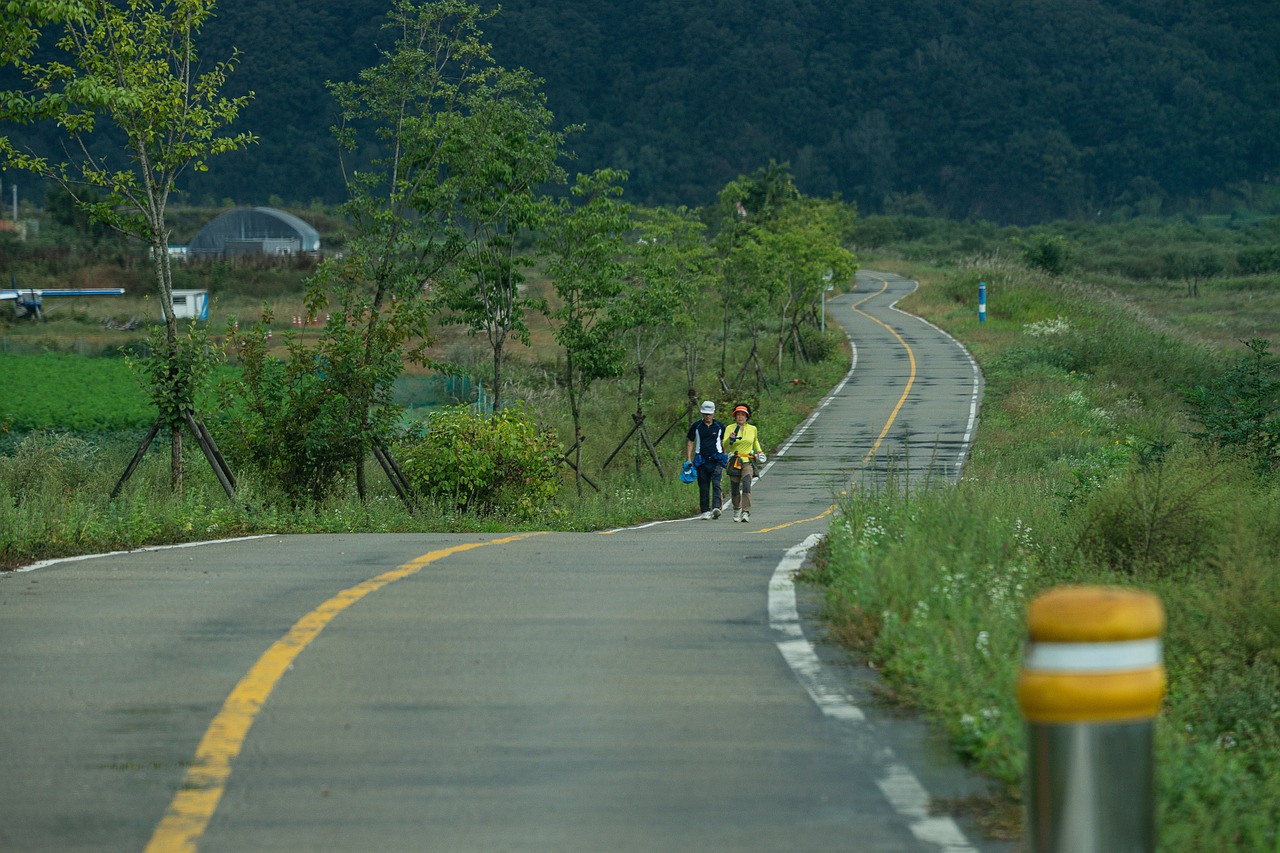
Walking groups for seniors have emerged as a vital form of community support, fostering social interactions that contribute to both physical and emotional well-being. In these groups, seniors can enjoy the benefits of regular exercise while simultaneously maintaining social connections. Walking is a low-impact activity that offers significant health benefits. It can help improve cardiovascular fitness, increase strength, and enhance flexibility. Moreover, participating in these groups creates a supportive environment, where members motivate each other and share experiences and stories. This peer support encourages them to commit to regular exercise while reducing feelings of isolation that can accompany aging. As they stroll through parks and neighborhoods, participants experience the beauty of nature, which further lifts their spirits. In addition, walking groups often strategize enjoyable activities, such as planning routes that include scenic views or social coffee breaks. Overall, these groups help combat loneliness and promote a sense of community, enhancing the overall quality of life for older adults. By embracing this form of social fitness, seniors can lead healthier, happier lives and enjoy active engagement with their peers.
Many communities have recognized the importance of organizing walking groups for seniors to provide essential health and social benefits. These groups can vary in structure, ranging from casual neighborhoods walks to organized outings through local parks. Importantly, these weekly or biweekly gatherings can create a routine that seniors look forward to engaging in. Additionally, participants often find new friendships, essential for combating loneliness and isolation frequently associated with aging. Notably, walking groups can also be beneficial for caregivers, who can feel reassured knowing their loved ones are engaged in healthy activities. Each group member has the opportunity to take on different roles, fostering leadership skills and empowering individuals. Such roles might include planning the routes, organizing refreshments, or leading warm-up exercises. Furthermore, walking groups often welcome individuals with varying mobility levels, ensuring inclusivity, thus allowing anyone to participate at their own pace. Local community centers and senior centers can be vital in promoting these groups and providing crucial resources, including guides on safety practices and the benefits of walking as a routine exercise. As a result, more seniors can join actively, giving them a supportive reason to leave home.
Health Benefits of Walking
Walking is one of the simplest yet most effective exercises available to seniors, providing numerous health benefits. Engaging in regular walking can lead to improved cardiovascular health, lower the risk of chronic diseases, and enhance overall physical fitness. Furthermore, the gentle movements involved in walking contribute to joint health, reducing stiffness and improving mobility. By joining walking groups, seniors are more likely to stay motivated, as the social aspect encourages adherence to regular exercise. Beyond physical improvements, walking significantly affects mental health, alleviating feelings of anxiety and depression. Spending time outdoors and experiencing nature elevates mood and promotes a positive outlook on life. Many studies support the claim that light physical activities, like walking, stimulate endorphin production, which acts as natural mood lifters. In addition to individual health, participating in a walking group enhances a sense of belonging among members, creating friendships that extend beyond the walking path. Social interactions improve cognitive function and help maintain mental sharpness, which is particularly beneficial for seniors. Combining physical activity with social engagement results in holistic well-being for older adults. Thus, walking groups are essential components of healthy aging!
The structure and leadership of walking groups play a crucial role in their success. Ideally, groups should be inclusive, allowing everyone to feel welcome regardless of their fitness level. A designated leader can be beneficial, ensuring that the pace is comfortable for all and providing essential guidance on safety. In addition, consistent communication through group newsletters, social media platforms, or community bulletin boards is vital for updates. This keeps participants engaged and encourages them to invite new members, fostering growth within the community. Walking groups often plan extended outings or themed walks, adding variety to their routines. Events may include excursions to local parks or even organizing fundraisers that promote health and awareness. By participating in themed walks, seniors can channel their interests into physical activity while enjoying socialization and community engagement. Whether exploring local history, art, or nature, these experiences can deepen bonds among members. Additionally, local businesses often partner with such groups, offering discounts or sponsorships that enhance group dynamics. Consequently, building these connections between participants can inspire a sense of pride in group achievements while promoting a stronger community spirit.
Adapting to Weather Conditions
Outdoor walking groups must adapt to various weather conditions, allowing for a consistently enjoyable experience. During warmer months, ensuring participants stay hydrated and protected from the sun is crucial. Similarly, walking groups should encourage the use of sunblock, lightweight clothing, and hats for comfort. Conversely, in colder months, dressing in layers becomes essential to maintain warmth and comfort throughout walks. It is wise to avoid slippery surfaces, such as ice or snow, in winter months, and some groups may opt for indoor walking venues. Community centers or shopping malls can serve as viable alternatives to maintain group continuity during adverse weather. Additionally, walking groups might plan specific safety measures, emphasizing the importance of walking together to ensure everyone remains safe. Participants should carry a personal identification card containing emergency contact information in case of unforeseen events. Encouraging members to share their experiences can also boost group morale and motivate others to join despite potential weather challenges. Thus, adaptability ensures that walking groups continue to provide consistent engagement and health benefits to seniors, regardless of seasonal fluctuations.
Technology can be an ally for walking groups, enhancing communication and fostering engagement among participants. Utilizing social media platforms or group messaging apps allows members to share updates on weather conditions, routes, and even group events. These channels create opportunities for companionship and friendship outside scheduled walks. Furthermore, fitness tracking apps can motivate seniors to monitor their walking progress and set personal goals. Participants can share their achievements within the group, boosting overall enthusiasm and encouraging collective goals. Challenges such as monthly walking milestones may encourage friendly competition, urging members to strive for their best. However, it’s essential to remind seniors that competition should remain fun and light-hearted, allowing everyone to celebrate individual accomplishments. Online resources also provide valuable information on topics including local walking trails, safety tips, and health advice specific to older adults. Local libraries or community organizations might offer workshops related to safe walking practices and other health topics. By involving technology, walking groups can enhance the sense of community while ensuring each member is enthusiastic about maintaining active lifestyles.
Creating a Lasting Impact
In conclusion, walking groups significantly impact seniors’ social fitness and overall well-being. They empower individuals to remain physically active, form friendships, and develop a sense of belonging. As older adults often face unique challenges, these walking groups represent a solution to address social isolation and health concerns. The collaborative environment they foster allows for shared experiences, enriching lives and enhancing community ties. Furthermore, local organizations and cities can support walking groups by providing resources, promoting local health campaigns, and contributing to community-building initiatives. By advocating for these social fitness programs, communities can improve the quality of life for seniors while benefiting from a vibrant, engaged population. Investing in walking groups not only bolsters individual health but also emphasizes the importance of community cohesion. Ultimately, the implementation of such initiatives highlights the power of collective effort in improving the well-being of older adults. As walking groups continue to flourish across various regions, more seniors will benefit from active lifestyles, healthier hearts, and strong friendships. The message is clear: engaging in walking groups opens doors to healthier, happier lives for seniors while significantly impacting their communities!
Walking groups for seniors have emerged as a vital form of community support, fostering social interactions that contribute to both physical and emotional well-being. In these groups, seniors can enjoy the benefits of regular exercise while simultaneously maintaining social connections. Walking is a low-impact activity that offers significant health benefits. It can help improve cardiovascular fitness, increase strength, and enhance flexibility. Moreover, participating in these groups creates a supportive environment, where members motivate each other and share experiences and stories. This peer support encourages them to commit to regular exercise while reducing feelings of isolation that can accompany aging. As they stroll through parks and neighborhoods, participants experience the beauty of nature, which further lifts their spirits. In addition, walking groups often strategize enjoyable activities, such as planning routes that include scenic views or social coffee breaks. Overall, these groups help combat loneliness and promote a sense of community, enhancing the overall quality of life for older adults. By embracing this form of social fitness, seniors can lead healthier, happier lives and enjoy active engagement with their peers.