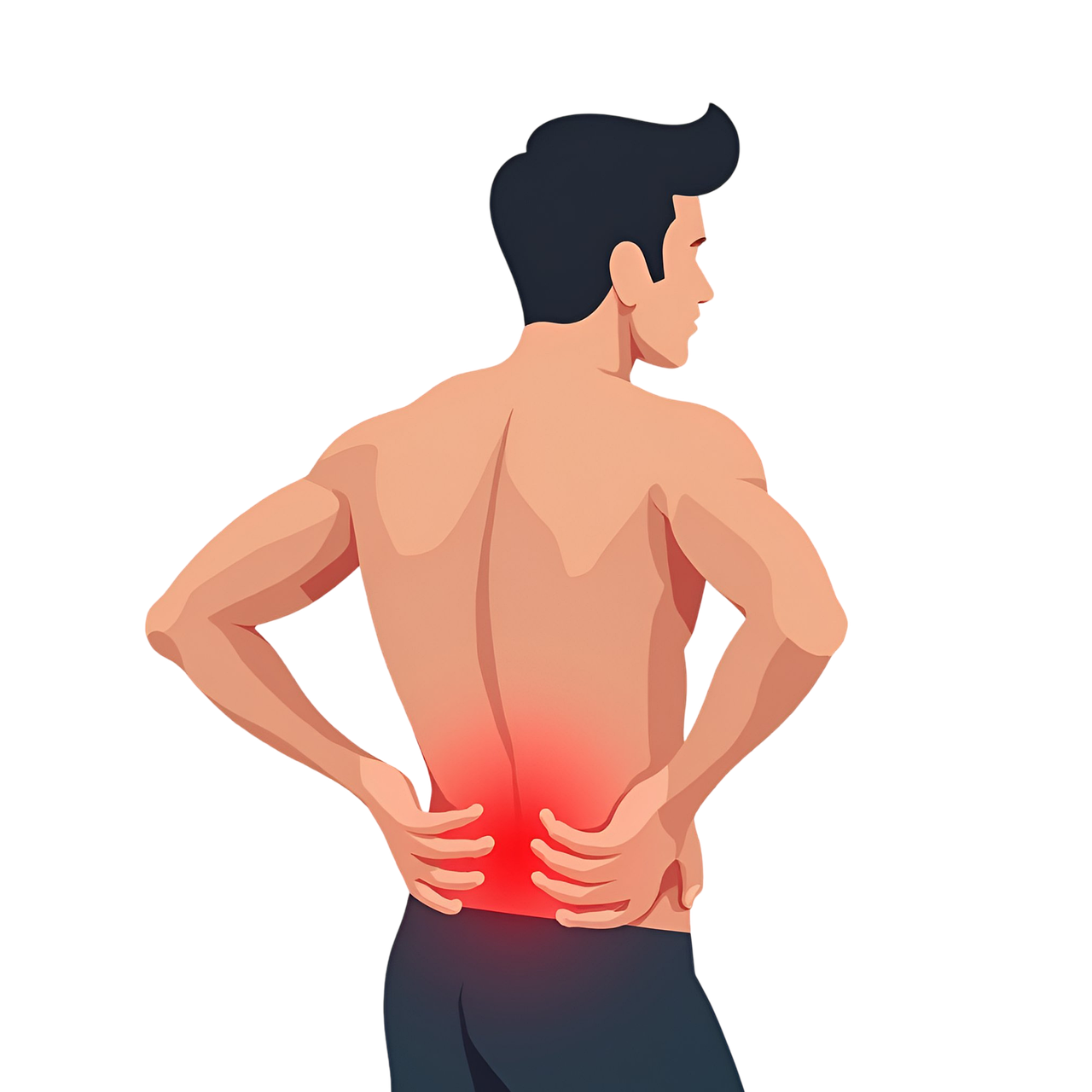

Understanding the Impact of Poor Posture on Core Training Injuries
Core training is essential for developing strength and stability, yet improper posture can lead to common injuries. Many individuals ignore the importance of maintaining an ideal posture throughout their exercises. This negligence increases the risk of injury during workouts. Like any physical activity, poor form can lead to problems, especially when focusing on the core. Injuries can range from muscle strains to herniated discs, significantly affecting performance. Moreover, these injuries often stem from incorrect alignment of the spine and pelvis. Common signs of poor posture include rounded shoulders and a protruding abdomen. When under strain, those with such postures are more likely to sustain injuries. Another issue is the overcompensation that occurs in certain muscle groups, often leading to imbalances. These imbalances not only impede progress but can also cause long-term damage. Therefore, understanding how the body functions is crucial for effective core training. Learning proper alignment and movement patterns can significantly decrease injury risks. In this context, awareness of one’s posture is vital before, during, and after training sessions.
Proper posture techniques differ depending on the specific core exercises being performed. For instance, when doing planks or sit-ups, maintaining a neutral spine is critical. Defining a neutral spine means ensuring the alignment of the head, shoulders, and hips is correct. Engaging the core effectively requires the right alignment to support the lower back. Additionally, using mirrors for self-correction during workouts is highly beneficial. Many gyms are equipped with mirrors specifically for this purpose to provide instant feedback. Another technique involves engaging the pelvic floor muscles while exercising. This engagement supports the lower back, minimizing the chances of strain. It’s essential to combine these techniques with proper breathing practices. Improper breathing can further contribute to core weaknesses and injuries. Paying attention to exhalation techniques during exertion phases of exercises can aid in maintaining core integrity. Stretching is also vital before and after workouts, as it promotes flexibility and aids recovery. Consistent practice of these elements can significantly enhance performance. Ultimately, good posture is important for maximizing core training benefits, as it creates safer workout environments.
Reassessing workout strategies and making necessary adjustments can also limit the risk of injuries caused by poor posture. One effective method involves starting with foundational exercises that promote stability and strength. These exercises help build a strong base that prepares the body for more complex movements later. While difficult exercises may seem appealing, they often lead individuals to neglect proper form in pursuit of results. This can create a cycle of injury and frustration, hindering progress. Thus, focusing on a solid foundation is worthwhile. Moreover, working with a personal trainer can be invaluable. Trainers provide guidance on form and posture, helping to avoid common pitfalls. They also offer personalized plans tailored to individual needs. Engaging in regular assessments of progress and form can help track improvements along the way. Another aspect to consider is the use of equipment that promotes proper posture, like stability balls and resistance bands. These tools encourage alignment and strengthen stabilizing muscles. By being attentive to posture throughout workouts, high-quality results and injury-free progress can be achieved.
Identifying Signs of Poor Posture
Effectively identifying signs of poor posture becomes essential in preventing core training injuries. Various indicators may suggest that posture needs adjustment during workouts. One key sign is chronic pain, particularly in the back and neck. Pain in these areas often signals that alignment is compromised. Additionally, frequent occurrences of fatigue during exercises might point to inefficient core engagement. If an individual tires quickly, it’s worth examining posture and alignment throughout the routine. Further, imbalances, such as muscle tightness in specific areas combined with weakness in others, signify issues that need addressing. Over time, habitual poor posture can even lead to disturbances in regular daily activities. Regular self-checks can help catch these signs early. Simple checks can include noticing alignment while standing or sitting. Applying basic principles of biomechanics provides a framework for assessing whether movements are executed correctly. When posture is deemed off, adjusting the execution of exercises should occur immediately. Users must not ignore any feeling of discomfort during training. Over time, these symptoms can escalate and pose significant challenges to achieving fitness goals and maintaining a sustainable routine.
The role of corrective exercises cannot be overlooked in addressing poor posture during core training. Specific exercises target spinal alignment and strengthen weak muscle groups. Incorporating these corrective routines helps build awareness of posture during broader training. Mobility work, like yoga and Pilates, is also beneficial as it promotes flexibility and core engagement. This combination enables individuals to maintain proper alignment throughout their workouts. Engaging in consistent mobility practices makes transitioning between exercises smoother. It reduces the risk of injuries that arise from sudden movement changes. Furthermore, utilizing visual aids, such as diagrams and videos, can enhance learning about correct posture. Many resources are available online that detail proper techniques for various core exercises. Taking these extra steps contributes to the understanding and execution of ideal posture. Additionally, it widens the available knowledge of effective training methods. Those keen on engaging in core training will find that variability in workouts promotes better adaptability to posture correction methods. This adaptability is crucial for preventing maladjustments that inevitably lead to injuries over time while enhancing performance.
Common Injuries Due to Poor Posture
Common injuries associated with poor posture during core training include lower back pain, herniated discs, and muscle strains. Lower back pain frequently occurs when proper alignment is neglected. Poor mechanics may trigger excessive tension in muscles supporting the spine. Similarly, a herniated disc is a more severe ailment resulting from poor core engagement and spinal alignment. This condition occurs when the soft material inside the disc bulges through cracks and can cause significant pain and discomfort. Muscle strains represent yet another common injury, often caused by overexertion with improper form. Strains might affect both the core muscles and others linked to movement patterns, like hip flexors and shoulder muscles. Upper body alignments play critical roles in maintaining balance during core exercises, meaning strain can lead to compensations elsewhere in the body as well. Poor posture during plank positions, for instance, can trigger shoulder injuries due to excessive stress on the joints. Ignoring these signs can lead to chronic issues, reinforcing the need to maintain proper posture throughout all exercise. Ultimately, awareness of these injuries facilitates better training practices.
Better understanding of injury prevention should accompany knowledge of posture correction. Regular consultations with healthcare providers or physical therapists can significantly benefit core training efforts. They offer insightful assessments relating to individual posture and fitness levels. Additionally, engaging in education regularly surrounding biomechanics and core strength development promotes overall health. Athletes should always prioritize injury prevention strategies throughout their training regimens. Integrating complementary practices, like nutrition, hydration, and rest, enhances recovery and contributes to improved performance. Staying informed about the latest research in fitness and rehabilitation is crucial as it evolves quickly. Workshops and classes on posture correction and strength training modalities can provide invaluable experiences. Following these suggestions will not only aid in enhancing core performance but also creates an environment where training can occur safely. Remember that injuries often serve as warning signs from the body, indicating the need for change. By responding to those signs with proactive strategies, such as focusing on posture and continuously working on improvements, longevity in fitness becomes achievable. Ultimately, fostering a culture of safe training will realize both physical health benefits and valuable lifetime habits.
In conclusion, enhancing awareness of posture during core training unveils numerous benefits, such as improving overall physical performance and minimizing injury risks. Addressing poor posture is not merely a corrective action; it’s an essential component of fitness. Consistently applying proper techniques contributes to effective workouts that yield fruitful outcomes. This article highlights the importance of recognizing and adapting to individual needs concerning posture throughout core exercises. Furthermore, injury prevention is key to achieving fitness goals, making it imperative to embed good posture principles into daily workouts. Understanding that every correction leads to better performance sets individuals on a positive trajectory. Therefore, investing time in posture evaluation alongside regular practice can create a seamless transition into better strategies for core training. Many resources are available to assist individuals in learning about proper posture and beneficial workouts. Combining this knowledge with practical experience ultimately leads to a wiser approach toward fitness. As one refines their understanding of the intricate connections between posture and core strength, foundational fitness elements will establish themselves strongly. With commitment and discipline, achieving core strength without injury becomes not only possible but likely.