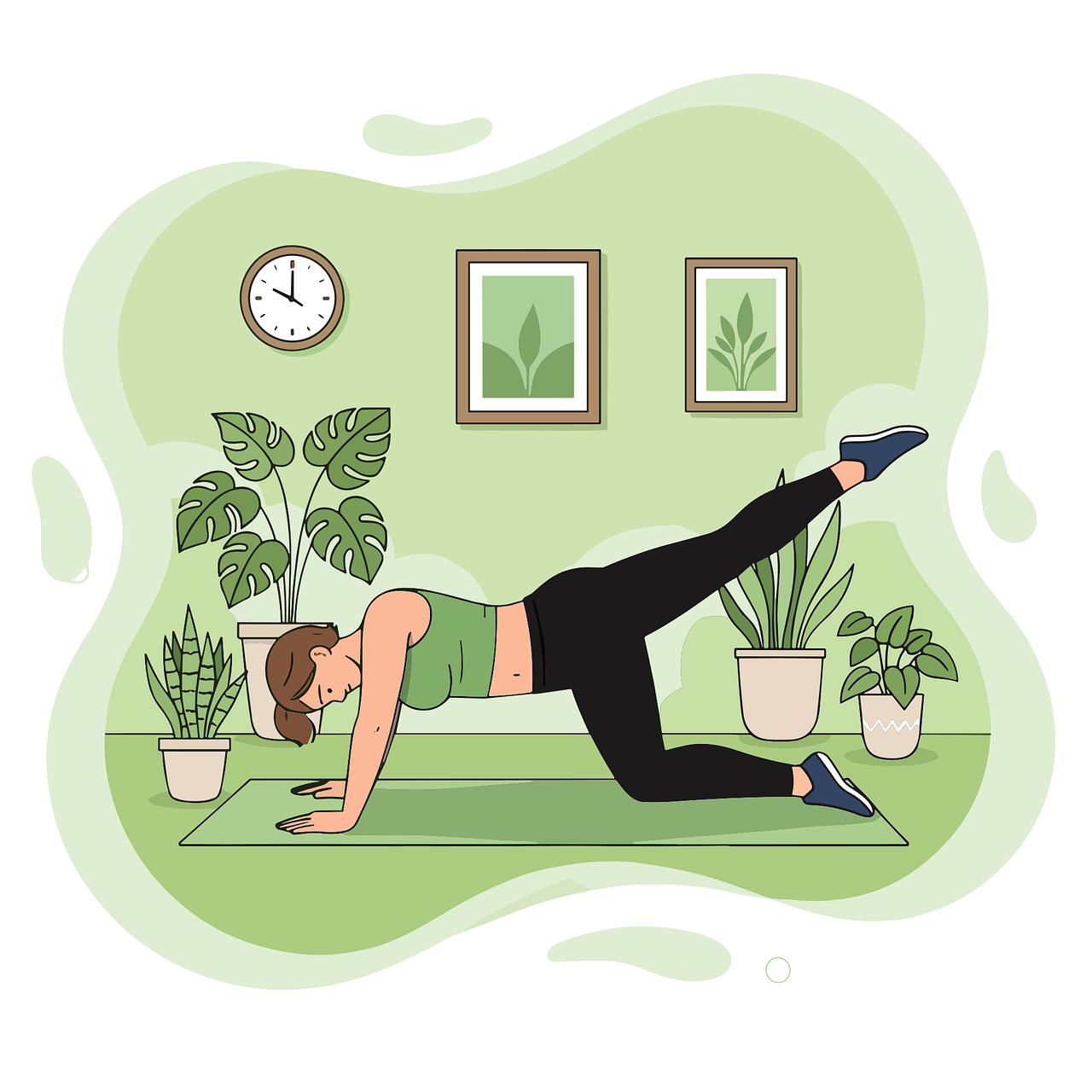

Travel Recovery Workouts You Can Do at Home
After returning from a trip, staying active can sometimes feel challenging. However, incorporating effective home workouts is not only possible but essential. By focusing on mobility and flexibility, your body can recover and regain energy quickly. Simple bodyweight exercises can be done in your living room or backyard, allowing you to unwind while enjoying the fresh air. To start, consider setting a schedule that includes various movements focusing on the whole body. Exercises like squats, lunges, and push-ups can be incorporated into a comfortable routine. Structure it to include cardio, strength training, and stretching. Engaging in this type of workout allows you to adapt your exercise to your energy levels after traveling. Most importantly, remember to listen to your body. During recovery, it’s vital to avoid pushing yourself too hard. Furthermore, maintain hydration and focus on nutrient-rich foods to support recovery. Keep your post-travel workouts enjoyable, allowing them to be a refreshing end to a busy day. Making the choice to stay active can significantly influence your mood and energy level, ensuring you’re rejuvenated for your daily routines.
One effective travel recovery workout to try is the combination of yoga and stretching exercises. Yoga not only enhances flexibility but also promotes relaxation, which is crucial after the stress of traveling. Consider allocating a dedicated time each day to perform simple yoga poses such as Downward Dog, Child’s Pose, and Forward Bend. These poses stretch various muscle groups and relieve tension accumulated during long flights or drives. Additionally, deep breathing during yoga can aid in restoring your energy. Enhance your recovery process by incorporating stretches for your legs, back, and shoulders after each workout. They help regain mobility and prevent stiffness. Aim to hold stretches for at least thirty seconds to maximize their effectiveness. You can easily find guided yoga sessions online that specifically cater to recovery. Integrating props such as yoga blocks or straps can also improve your experience, making stretches more accessible. Not only will yoga help with your physical body, but it can allow you to mentally refresh after the hustle of travel. Use apps or online videos to follow along seamlessly in the comfort of your home. This can create a tranquil environment for enjoyable recovery time.
Strength Training for Recovery
Incorporating strength training into your recovery routine can greatly benefit your overall physical condition. Bodyweight exercises like planks, squats, and glute bridges can be performed without any specialized equipment, making them perfect for home workouts. Start with basic repetitions and gradually increase as your recovery progresses. Additionally, using resistance bands can add an extra challenge and assist in improving your strength. Targeting specific muscle groups, such as the core, legs, and arms, supports a well-rounded workout. A simple circuit of exercises repeated two to three times can be impactful. It’s essential to maintain proper form to prevent injury during these exercises. Focus on controlled movements and take breaks if necessary. Allow your body ample recovery time between exercises, especially after traveling, as your muscles may still be adjusting. This type of routine not only aids in physical recovery but enhances your strength for future trips. Combine strength training with your existing travel recovery program for improved results. As you continue through your routine, make adjustments based on how your body feels, ensuring effective recovery while building strength at home.
Another option for home workouts is high-intensity interval training (HIIT). HIIT provides an intense exercise experience that’s effective for shorter time frames, perfect for busy post-travel schedules. By alternating periods of high effort followed by rest or lower-intensity movements, you can achieve cardiovascular benefits while toning muscles. This approach not only saves time but keeps workouts engaging and dynamic. A simple HIIT circuit can include exercises such as jumping jacks, burpees, and mountain climbers. Explore various HIIT formats to find what resonates with you. Exercise for 20-30 seconds at high intensity, followed by a short resting period; repeat for 15-20 minutes for a complete session. The calorie-burning benefits and effective muscle engagement can boost recovery and energy levels. Incorporate a warm-up session before engaging in HIIT to prepare your muscles. Additionally, pay attention to your body’s signals during intense situations. Halt when needed if your fatigue becomes overwhelming. While HIIT can be a fantastic asset to recovery, balance it with gentler activities to maintain a holistic approach to your fitness journey. Having this variety ensures you keep moving while prioritizing recovery.
Mindfulness and Core Training
Engaging in mindfulness practices alongside your workouts can enhance your travel recovery. Mindfulness not only aids in stress reduction but complements physical activity effectively. Consider incorporating meditation sessions into your daily routine. This combination encourages mental awareness and body appreciation, vital after exhausting trips. Additionally, focusing on core training helps strengthen essential body stabilizers while improving physical performance. Exercises such as planks, bicycle crunches, and leg raises contribute to a solid foundation for overall fitness. Building core strength leads to improved posture and reduced risk of injury, especially after periods of inactivity while traveling. Introduce a core workout routine two to three times a week for optimal results. As you practice mindfulness and core stability, stay attentive to your breath and connect it with your movements. Establishing a solid mind-body connection can provide clarity and purpose within your workout and recovery phases. Always prioritize gentle movements during these sessions to ensure safety, particularly after traveling. This blend of mental focus and physical strengthening offers unparalleled benefits as you navigate transitions into your daily life.
Adding a cooldown routine to your workout regimen is essential for enabling muscle recovery. Spend at least 5-10 minutes post-workout to gradually lower your heart rate and promote recovery. Utilize stretches that target the specific muscle groups you worked during your activities; this promotes flexibility and improves overall blood circulation. Effective cooldown stretches include standing quadriceps stretches, seated hamstring stretches, and shoulder rolls. These movements release muscle tension and enhance recovery speeds. Also, self-myofascial release—using a foam roller or massage stick—can be an invaluable tool for post-travel recovery. By gently massaging the muscles, you loosen tightness and maintain muscle elasticity. The application of foam rolling after workouts can alleviate soreness and stiffness, ensuring optimal movement quality. Remember, paying attention to recovery should be a priority in any fitness plan, especially after travel. It plays a critical role in reaching your fitness goals while minimizing fatigue. Consider scheduling cooldowns as mandatory segments within your workouts, creating a balanced approach to exercise that lasts. This strategy not only helps in physical recovery but can enhance mental clarity as well, promoting a consistent workout routine.
Staying Consistent and Motivated
Finally, it’s vital to stay consistent and motivated with your recovery workouts at home. Creating a structured weekly plan can aid in achieving your desired results while minimizing the temptation to skip workouts. Additionally, tracking your progress with a fitness app or journal can serve as a visual representation of your efforts, keeping motivation high. Share your workout journey with friends or online communities for added support and inspiration. Join local fitness groups or virtual classes that align with your interests. Engaging with others not only fosters accountability but can enrich your workout experience. Celebrate small milestones to maintain motivation; every step counts as you strive for successful recovery. Furthermore, modify your workouts according to your daily schedule and energy levels. Allow room for flexibility within your routine. By tailoring your practice according to personal preferences, you cultivate an environment conducive to growth. Ultimately, maintaining positivity and a forward-looking mindset fuels your fitness journey past travel recovery. Embrace each moment, stay commit, and recognize that caring for your body contributes significantly to improved well-being after traveling.