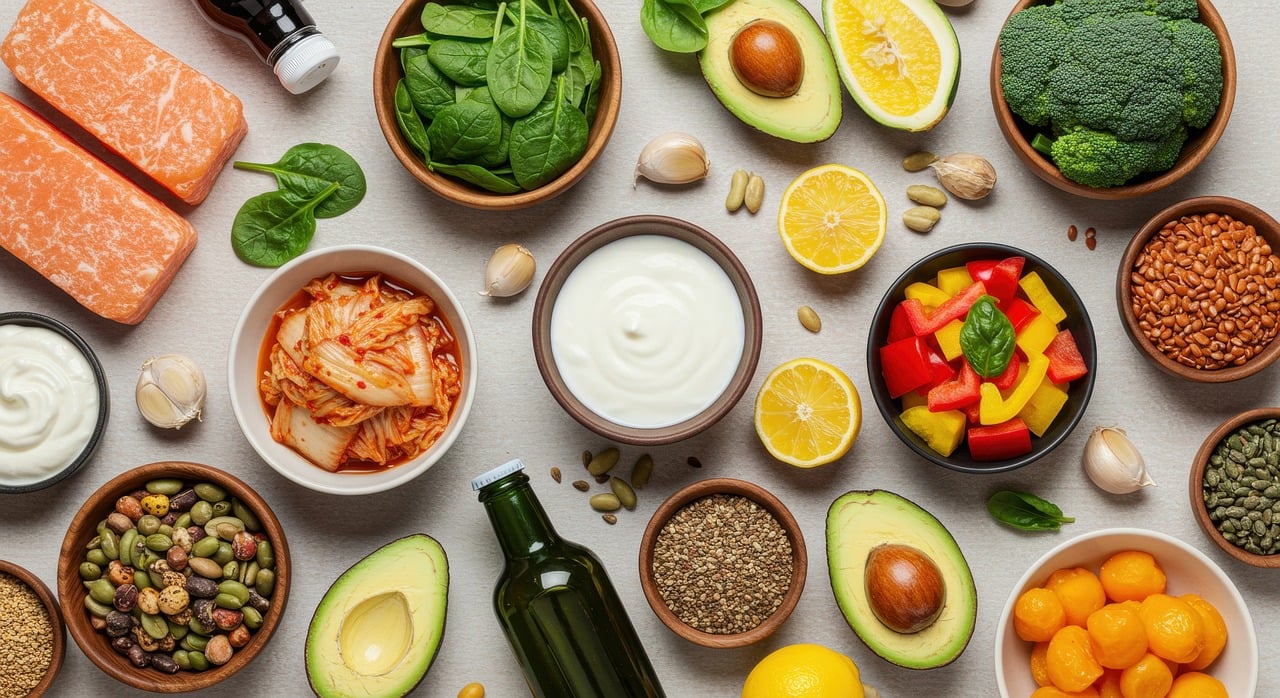

The Influence of Diet on Hormonal Balance
Diet plays a crucial role in influencing the hormonal balance of our bodies. Hormones are biochemical substances that regulate various physiological processes, from metabolism to mood. Understanding how different foods impact hormone levels can significantly enhance overall well-being and health. Certain foods exert positive effects, such as promoting the production of hormones that help regulate insulin and cortisol levels. Conversely, other food types can disrupt hormonal balance and lead to negative health outcomes. For example, diets high in processed sugars can create fluctuations in blood glucose levels that directly impact insulin production. Likewise, excessive consumption of unhealthy fats may influence estrogen levels, leading to potential health issues. Exploring the relationship between diet and hormones necessitates a focus on nutrient-dense foods such as vegetables, whole grains, proteins, and healthy fats. Incorporating these into daily meals can support optimal hormonal function. Moreover, adequate hydration also plays a vital role in maintaining hormonal equilibrium, whereby water helps in the synthesis and transport of hormones throughout the body. This comprehensive understanding of diet’s effect on hormones is a significant step toward better health and a balanced lifestyle.
Dietary patterns immensely impact the endocrine system, where different nutrients interact complexly with hormonal pathways. Certain vitamins and minerals, like zinc and magnesium, serve as cofactors for enzyme reactions that produce hormones. For instance, zinc is integral for testosterone production, whereas magnesium influences progesterone and estrogen. Moreover, fatty acids found in fish and nuts have a direct influence on hormone synthesis, particularly with lipid-derived hormones. The timing and balance of macronutrients—carbohydrates, proteins, and fats—also play a pivotal role. A high intake of refined carbohydrates may lead to insulin resistance, while balanced meals can help stabilize hormone levels. Furthermore, dietary fiber from sources like fruits, vegetables, and whole grains fosters a healthy gut microbiome, which further aids in hormone production and regulation. Probiotic-rich foods can enhance gut health, influencing hormones related to mood and appetite. Therefore, food choices not only satisfy hunger but also influence vital systems within the body. As more research surfaces, it is imperative to consider the long-term implications of dietary habits on hormonal health.
The Role of Specific Nutrients
An understanding of specific nutrients is crucial in tailoring a diet to promote hormonal balance. For instance, omega-3 fatty acids are vital for producing hormone-like substances known as eicosanoids, essential for inflammation and overall health. Foods rich in omega-3, such as fish, flaxseeds, and walnuts, can help improve insulin sensitivity and reduce inflammatory markers. Additionally, antioxidants found in colorful fruits and vegetables help combat oxidative stress, which can disrupt hormone signaling. Similarly, vitamin D is crucial for calcium metabolism and plays an essential role in hormone balance, affecting mood and overall health. Foods fortified with vitamin D or naturally rich sources like fatty fish and egg yolks should be included in diets. Protein intake, especially from lean sources, supports hormone synthesis and can stabilize blood sugar levels by enhancing satiety. It’s important to find a balance in macronutrient ratios tailored to individual lifestyle and health goals. Integrating these nutrients contributes to achieving optimal hormonal balance and improving energy and vitality.
Environmental factors also play a significant role in hormonal health. Chemical exposures from pesticides, plastics, and heavy metals can disrupt endocrine functions and lead to hormonal imbalances. A diet rich in organic produce can minimize these exposures and support overall health. Furthermore, stress management techniques alongside dietary changes can play a synergistic role in hormonal health. Chronic stress can elevate cortisol levels, leading to an array of health issues. Incorporating stress-relieving foods like herbs and adaptogens, alongside a balanced diet, can support adrenal health—the core of hormonal regulation. Mindful eating practices can help improve both mental and physical states, positively affecting appetite and digestion. It’s essential to pay attention to how different foods impact your body. Keeping a food diary can help identify patterns and effects of dietary choices on hormonal balance. By being aware of individual responses to various foods, better dietary choices can be made. A holistic approach that incorporates smart dietary choices, stress management, and lifestyle considerations can significantly improve hormonal health and overall well-being.
Impact of Processed Foods
Processed foods, rich in trans fats, refined sugars, and additives, can severely impact hormonal balance. These foods lead to inflammation in the body, which can severely disrupt hormonal signaling pathways. Regular consumption is associated with increased insulin resistance and heightened levels of cortisol, leading to imbalances in other hormones like estrogen. Eating whole, minimally processed foods should be prioritized to maintain hormonal health. The beneficial nutrients in whole foods like vitamins, minerals, and antioxidants support hormone production and function. Moreover, individuals need to recognize the impact of artificial sweeteners and additives in processed foods, as they can also interfere with hormonal functions. Additionally, diet sodas and certain snacks can disrupt gut microbiomes, indirectly influencing hormonal health. A focus on wholesome meals consisting of fresh, natural ingredients will promote a healthier endocrine system. This includes adopting a balanced diet, getting sufficient exercise, and maintaining stable blood sugar levels. All these aspects contribute positively to hormonal health while minimizing the harmful effects of processed food consumption.
Regular monitoring of dietary habits can significantly influence an individual’s hormonal balance and overall health. This includes being mindful of the time and composition of meals throughout the day. Skipping meals may lead to fluctuations in insulin and cortisol, which can create unwanted cravings, leading to poor dietary choices later. Moreover, meal timing can influence hormone release and metabolism. For example, aligning protein consumption with physical activity promotes muscle recovery and provides key nutrients necessary for growth. Intermittent fasting has gained popularity for its potential benefits on hormone regulation, particularly insulin sensitivity and growth hormone production. Adding nutrient-dense snacks to maintain energy levels and hormonal stability during fasting times can be beneficial. Furthermore, adequate sleep should not be overlooked; sleep deprivation can drastically alter hormonal balance. The hormones responsible for hunger and satiety, such as ghrelin and leptin, are particularly affected by inadequate sleep. Establishing consistent sleep patterns, along with a regulated diet, will lead to overall better hormonal health and improved quality of life.
Conclusion
Understanding the profound influence of diet on hormonal balance leads to informed and health-focused dietary choices. Making conscious food selections that support hormonal function is crucial for maintaining overall health and wellness. In addition to including nutrient-rich foods and reducing processed food intake, consider personal food sensitivities to optimize one’s hormonal health. Incorporating a diverse range of wholesome foods can provide the body with essential nutrients, which are imperative for the synthesis and regulation of hormones. This all-encompassing approach considers factors such as adequate hydration, timing of food intake, stress management, and sleep quality. Together, these elements work synergistically to promote hormonal balance, energy levels, and a positive mood. Research is continually evolving regarding nutrition and hormonal health; staying updated with the latest findings can help individuals make informed dietary choices. Ultimately, a well-rounded diet leads to improved quality of life and longevity. Investing time and effort into understanding dietary impacts facilitates better choices that align with health goals. Hormonal health can profoundly improve when diet is at the forefront of health management and daily living.
Building awareness of dietary impacts on hormonal balance encourages people to examine their eating habits critically. This shift in perspective can foster healthier lifestyle choices that promote optimal hormonal health. Regular physical activity, combined with a balanced diet, amplifies the positive effects on hormonal regulation. Engaging in physical activity not only improves metabolic health but also supports mental well-being through the release of endorphins. By creating a wholesome relationship with food, individuals can experience enhanced energy levels, improved mood, and reduced anxiety. All these factors contribute to overall well-being and optimal hormonal balance. As societies become more health-minded, sharing knowledge and resources around nutrition can play a pivotal role in boosting public health standards. Healthcare professionals and nutritionists must work collaboratively to emphasize the importance of diet and lifestyle in preventing hormonal-related health issues. The future of nutrition research looks promising, intertwining insights from various scientific disciplines to develop comprehensive strategies that enhance hormonal health. By fostering awareness and education, we aim for a healthier future for all.