
The Impact of Chronic Stress on Gut Microbiota
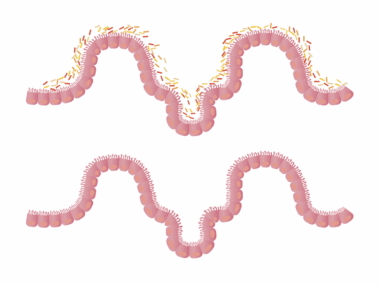
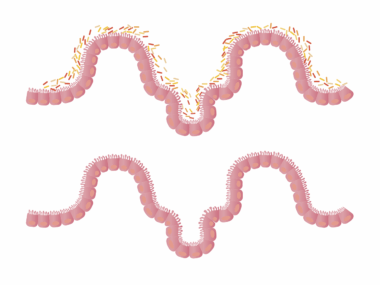
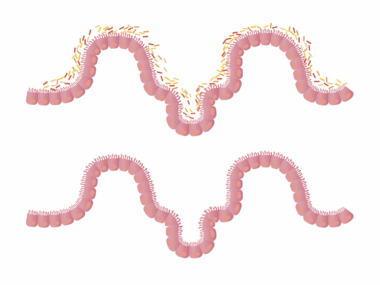
Chronic stress is a common issue faced by many individuals in modern society. As stress levels elevate, various physiological responses occur, impacting overall health. One significant area affected by stress is gut health. The gut microbiota, composed of trillions of microorganisms, plays a crucial role in digestion, metabolism, and immune function. The intricate relationship between stress and gut health has been the focus of extensive research. Studies indicate that chronic stress can lead to alterations in gut microbiota composition. These changes may contribute to various health conditions, including inflammatory bowel disease, obesity, and metabolic disorders. Moreover, an imbalance in gut bacteria can affect mental health, creating a feedback loop that exacerbates stress. Recognizing the gut-brain connection is essential in understanding how stress affects overall wellness. By managing stress effectively, individuals can help maintain a balanced gut microbiome and improve their well-being. This article explores the effects of stress on gut health and discusses strategies to mitigate these impacts. Acknowledging the importance of this relationship is crucial for implementing lifestyle changes that promote better health outcomes.
The Gut-Brain Axis
The gut-brain axis refers to the bidirectional communication system connecting the gastrointestinal tract and the brain. It underscores how gut health can influence mental well-being and vice versa. Chronic stress disrupts this communication, leading to significant health consequences. Researchers have found that stress-induced changes in gut microbiota can affect mood and cognitive functions. For instance, altered gut bacteria may result in increased production of neurotransmitters like serotonin, impacting emotional regulation. Furthermore, stress can lead to intestinal permeability, often referred to as ‘leaky gut.’ This condition allows toxins and bacteria to enter the bloodstream, causing inflammation and further exacerbating stress levels. The role of the gut microbiome in regulating the hypothalamic-pituitary-adrenal (HPA) axis, which controls stress responses, is crucial. When the microbiome is dysbiotic, the body may produce excess cortisol, a stress hormone. Therefore, maintaining a diverse and healthy gut microbiome is essential for coping with stress effectively. Practical strategies, such as diet modification and probiotic supplementation, can help in restoring gut health and improving the overall stress management experience.
The effects of chronic stress on gut microbiota extend to various health implications. One notable consequence is the potential onset of gastrointestinal disorders such as irritable bowel syndrome (IBS). Stress has been shown to exacerbate symptoms associated with IBS, including bloating, pain, and abnormal bowel movements. Recent research suggests that individuals experiencing chronic stress are more likely to develop gut-related issues, primarily due to microbial imbalance. Furthermore, the increased production of pro-inflammatory cytokines during stress can contribute to inflammation in the gut. This inflammation may lead to long-term alterations in gut microbiota composition, compounding the initial issue. Diet plays an essential role in gut health, especially during periods of elevated stress. Foods rich in fiber, probiotics, and prebiotics can support a healthy microbiome. Conversely, high-sugar and high-fat diets may further aggravate stress-induced dysbiosis, leading to a potential cycle of poor health. Therefore, individuals dealing with chronic stress should pay close attention to their dietary habits. Incorporating gut-friendly foods can help mitigate some adverse effects of stress on gut health, promoting a more balanced microbiome.
Diet and Nutrition
To combat the adverse effects of chronic stress on gut health, nutrition plays a vital role. Incorporating a diverse range of nutrient-rich foods is crucial for supporting gut microbiota health. Foods such as fruits, vegetables, whole grains, and fermented products provide essential vitamins, minerals, and probiotics. Probiotics, found in yogurt, kefir, and kimchi, help restore balance to gut microbiota affected by stress. Fiber, particularly soluble and insoluble types, nourishes beneficial gut bacteria. High-fiber foods include beans, lentils, and leafy greens, making them essential components of a gut-friendly diet. Additionally, minimizing processed foods and added sugars can help reduce inflammation and support a healthier digestive system. Incorporating omega-3 fatty acids, found in fatty fish and nuts, can also aid in combatting inflammation tied to stress. Hydration is another crucial element for maintaining a healthy gut. Drinking sufficient water helps with digestion and supports microbiota function. By focusing on a balanced diet rich in wholesome foods, individuals can proactively support their gut health in the face of chronic stress. Understanding the connection between diet and gut health can empower individuals to make informed nutritional choices.
Another vital aspect of managing chronic stress and its impact on gut health is the inclusion of regular physical activity. Engaging in exercise has been widely recognized for its mental health benefits, serving as a natural stress reliever. Physical activity stimulates the production of endorphins, which are neurotransmitters that enhance mood and promote relaxation. Research indicates that exercise can also positively influence gut microbiota diversity and composition. For example, active individuals generally have a more diverse gut microbiome compared to sedentary individuals. This diversity is crucial for overall gut health and its ability to respond to stress effectively. Whether it’s jogging, yoga, dancing, or even brisk walking, finding an enjoyable way to stay active is essential. Consistent exercise supports metabolic functions, boosts immunity, and reduces inflammation, further contributing to gut health. Additionally, combining exercise with outdoor activities can enhance stress reduction due to natural environments promoting relaxation. Establishing a regular workout routine can help mitigate the adverse effects of stress on gut health. By staying active, individuals can improve both mental and physical wellbeing, leading to a more resilient gut microbiome.
Mindfulness and Stress Reduction Techniques
Implementing mindfulness and stress reduction techniques is crucial in combating chronic stress’s effects on gut health. Practicing mindfulness encourages individuals to focus on the present, fostering reduced anxiety and improved emotional regulation. Techniques such as deep breathing, meditation, and yoga can enhance relaxation and help manage stress. These practices can also have direct benefits for gut health. Research suggests that mindfulness practices may promote healthier gut microbiota, aiding in stress management. Moreover, various studies highlight the importance of fostering a positive mindset for gut health. Engaging in mindful eating, where individuals are more conscious of their food choices and eating habits, is particularly beneficial. This practice encourages healthier food selections, further supporting a balanced microbiome. Prioritizing time for self-care and leisure activities also contributes to improved mental health. Spending time with loved ones, pursuing hobbies, or engaging in nature can significantly alleviate stress levels. By integrating mindfulness into daily routines, individuals can better cope with stress and protect their gut health over time. A holistic approach that combines nutrition, exercise, and mindfulness can lead to improved overall wellness.
Finally, it’s important to recognize the potential for professional help in managing chronic stress and its effects on gut health. Seeking guidance from healthcare professionals, such as dietitians, therapists, or wellness coaches, can provide personalized strategies tailored to individual needs. A registered dietitian can offer tailored dietary recommendations focused on gut health. They can help in curating meal plans rich in gut-friendly ingredients. Mental health professionals can provide therapeutic interventions such as cognitive-behavioral therapy (CBT) or mindfulness-based stress reduction (MBSR). These therapies aim to enhance coping strategies and reduce the adverse impact of stress. Engaging in support groups can also provide valuable social support while coping with stressors. Sometimes, combining multiple approaches yields the best outcomes. Overall, educating oneself about stress management and its connection to gut health is crucial. Understanding the holistic nature of health ensures individuals are equipped to manage their stress effectively. Proactively addressing the challenges posed by chronic stress can result in tangible improvements in gut microbiota balance and overall health.