
Relaxation Methods: Breathing Practices for a Restful Night
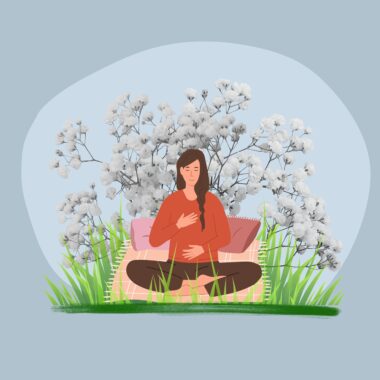
Breathing exercises are a key component in achieving a restful night’s sleep. These techniques are designed to calm the mind and body, enabling you to unwind after a busy day. Deep breathing can help lower your heart rate, reduce anxiety, and promote relaxation. One simple method is diaphragmatic breathing, where you inhale deeply through your nose, allowing your abdomen to expand. Hold this breath for a few seconds before exhaling slowly through your mouth. This process encourages more oxygen to fill your lungs, creating a calming sensation throughout your body. Integrating these practices into your evening routine can significantly enhance your sleep quality. Additional techniques, such as the 4-7-8 method, involve inhaling for four seconds, holding for seven, and exhaling for eight seconds. This method emphasizes rhythmic breath cycles, further promoting relaxation. Experimenting with various breathing techniques can help find what works best for you. Regular practice can lead to profound improvements in sleep, fostering a more conducive environment for restorative rest.
Creating a bedtime routine that incorporates breathing exercises can signal your body that it’s time to wind down. Start your routine about 30 minutes before you plan to sleep. This time can be spent in a quiet, dimly lit space, where you can sit or lie comfortably. Focus your attention on your breath to minimize distractions. Begin with a few minutes of diaphragmatic breathing, as mentioned earlier, to ground yourself. You might also consider practicing progressive muscle relaxation alongside your breathing exercises. This technique involves tensing and relaxing each muscle group to release physical tension. By combining these approaches, you cultivate a holistic relaxation method. Visualization is another powerful tool that can be paired with breathing exercises. As you breathe deeply, imagine a peaceful scene, such as a serene beach or a tranquil forest. This imagery, combined with deep, rhythmic breaths, enhances your overall relaxation response. Over time, you will likely notice the cumulative benefits of these practices on your sleep quality. By prioritizing this time and consistency, you pave the way for a more restful night.
The Science Behind Breathing for Sleep
The science behind breathing exercises and sleep is fascinating and well-researched. Studies have shown that controlled breathing techniques can alter your body’s physiological responses. By consciously controlling your breath, you can lower levels of cortisol, the stress hormone. Elevated cortisol can lead to restlessness and disrupted sleep patterns. Engaging in regular breathing practices reduces muscle tension and enhances relaxation, preparing your mind and body for sleep. Furthermore, these practices have been shown to improve heart rate variability, indicating a balance between the sympathetic and parasympathetic nervous systems. This equilibrium is crucial for promoting restorative sleep cycles. To experience these benefits, it’s important to be consistent. Focused breathing before sleep can help cultivate a sense of calmness and clarity, facilitating deeper sleep stages. Incorporating mindfulness during your breathing exercises can also elevate the impact. When you practice being present during these moments, it reinforces the connection between your mind and body. Ultimately, this understanding empowers you to tap into the potential of your breath to transform your sleep experience.
To enhance your breathing exercises, consider using guided meditation resources. Many apps and websites offer sessions specifically geared towards sleep and relaxation. These resources often provide visual or auditory cues to help guide your practice. Listening to calming sounds or a soothing voice can deepen your focus, facilitating an easier transition into relaxation. Some may prefer using calming visuals, like guided imagery. You may visualize yourself in a cozy space or surrounded by nature, breathing in harmony with the tranquil environment. Establishing a cozy sleep sanctuary can also influence the effectiveness of your breathing exercises. Keep your bedroom dark, quiet, and cool to promote restful sleep. Investing in a quality mattress and pillows can further enhance your overall sleep quality. Additionally, consider incorporating aromatherapy into your routine. Using essential oils like lavender or chamomile can create a calming atmosphere, enhancing your breathing exercises. Try placing a diffuser in your sleep space or using scented candles to promote relaxation. By incorporating these elements, you maximize the benefits of your breathing practices and create a sleep-inducing environment.
Combining Breathing Exercises with Other Techniques
Combining breathing exercises with other relaxation techniques can amplify their effectiveness. For instance, pairing breathing with gentle yoga stretches or progressive muscle relaxation can enhance physical and mental release. These methods help alleviate physical tension and foster a state of calmness. During yoga, focus on your breath, allowing each movement to flow in sync with your inhales and exhales. This connection aligns the mind and body, encouraging relaxation. Moreover, journaling can be an excellent complementary practice. Spending a few moments reflecting on your day or expressing thoughts provides mental clarity and release. Writing down worries or gratitude can create a mental shift, reducing anxiety. Once you complete journaling, follow it up with your breathing exercises to solidify your relaxation state. You can also explore the technique of mindfulness to enrich your practice. By directing your attention to your breathing and sensations in the body, you can stay present and ground yourself. This awareness prevents racing thoughts, easing the transition into sleep. Ultimately, combining various techniques cultivates a personalized relaxation routine tailored to your unique needs.
Research suggests that individuals who incorporate breathing exercises as part of their nightly routine experience substantial improvements in sleep quality. Regular practice, even for a few minutes a day, can result in longer and more restful sleep cycles. As your body becomes accustomed to these techniques, you may notice falling asleep faster and staying asleep longer. Focus on fostering a sense of relaxation rather than striving for perfection; the goal is personal comfort. This practice is less about achieving quick results and more about creating a sustainable habit that supports overall wellbeing. Consider sharing your experiences or techniques with others, as discussing methods can enhance commitment. Engaging in group meditation or local classes can foster community support, amplifying the benefits of your practice. Exploring various resources, such as books, courses, or workshops, can further enrich your journey. Make self-care a priority, and remind yourself of the positive impact breathing exercises have on your quality of sleep. This investment in your health will pay off, allowing you to experience the transformative power of rest each night.
Conclusion: Embracing Breathing Exercises for Better Sleep
Embracing breathing exercises as part of your nighttime routine is a powerful way to foster better sleep. The calming benefits they offer through promoting relaxation can enhance your overall health and wellbeing. Moreover, establishing a consistent practice can create a sense of tranquility, allowing you to escape daily stressors. As you explore various techniques, consider documenting what resonates with you. This personalization can help you create a routine that aligns with your preferences and needs. Remember that patience is essential; results may take time to manifest fully. Prioritize your practice and remain open to discovering new methods. Ultimately, consistency is key to unlocking the potential benefits of breathing exercises on your sleep quality. Be intentional in your daily routine, and allow these practices to guide you towards a more restful night. By prioritizing relaxation and diving deeper into your breath, you will enhance your relationship with sleep over time. The journey towards improved rest can be transformative when approached with mindfulness and dedication. Allow yourself the gift of peaceful sleep through the simplicity of breath.
As you embark on this journey of incorporating breathing exercises into your bedtime routine, remember to listen to your body. Each person’s experience with relaxation is unique, and finding what feels best for you is key. Explore different techniques, find resources, and be patient with your progress. The synergy of calm breathing and quality sleep can lead to a healthier lifestyle. The benefits extend beyond just a good night’s rest; they encompass a greater emotional balance and improved daily function. Through this process, you may arrive at a deeper understanding of your own needs and how to attend to them, leading to profound changes in your overall health. Consider connecting with communities or forums that discuss sleep and relaxation strategies; sharing insights can provide new ideas and motivation. As you engage daily with breathing exercises, create a consistent practice that allows comfort and safety while you wind down. Prioritizing these moments in your life can dramatically shift your approach to sleep and stress. Ultimately, nurturing your relationship with relaxation will foster a deeper bond with your self-care journey. Embrace the power of breath to transform every night towards restorative and revitalizing sleep!