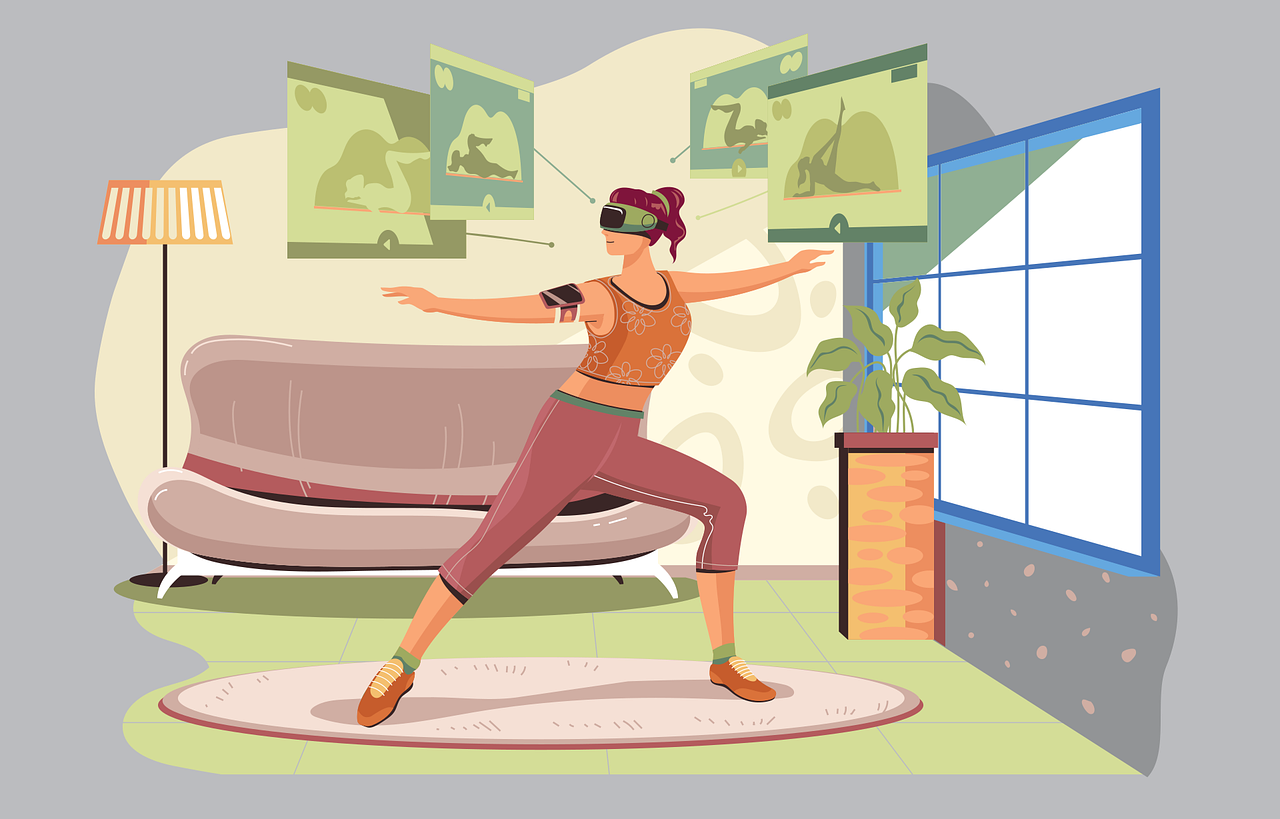

Integrating Wearables with VR for Enhanced Adaptive Fitness Tracking
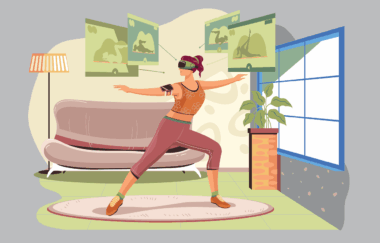
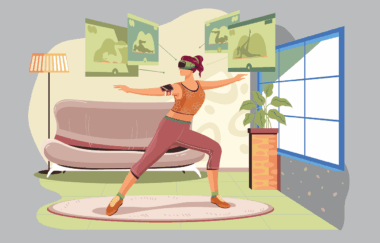
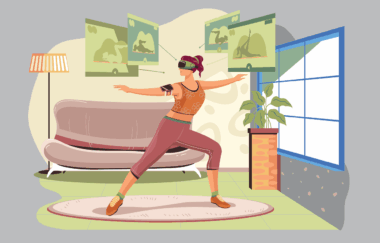
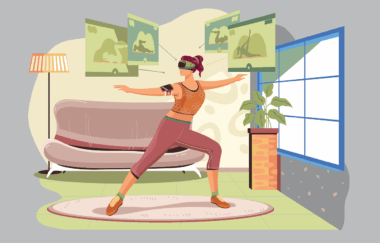
In the ever-evolving world of adaptive fitness, integrating wearables with virtual reality (VR) offers a revolutionary approach for individuals with disabilities. Wearable technology, such as fitness trackers and smartwatches, allows users to monitor their physical activity, vital signs, and overall wellness. When combined with VR, these wearables can enhance the user experience, providing immersive environments that motivate and engage users. For instance, VR can transport individuals to various virtual landscapes while they engage in exercise routines specifically designed for their abilities. This technology could revolutionize how rehabilitation and fitness regimens are designed, transforming traditional methods into more interactive and enjoyable experiences.
Moreover, the use of VR in combination with wearables enables real-time feedback, essential for users aiming to improve their performance. Users can receive immediate data on their heart rate, calorie burn, and personal achievements, which can heighten motivation. Additionally, virtual reality’s ability to simulate various challenges and environments can keep users engaged and promote consistency in their fitness journey. By making workouts enjoyable, individuals with disabilities may be more likely to adhere to their exercise routines. The combination of immersive elements and wearable data creates a unique space where users can push themselves further, ultimately striving towards their fitness goals, tailored specifically for their requirements.
Safety is a key consideration in adaptive fitness, and this is where the synergy between wearables and VR shines. Wearable devices can monitor users’ physical conditions and send alerts if vital signs indicate distress or unusual activity levels. This real-time monitoring ensures that individuals can participate in adaptive fitness programs without the risk of overexertion or injury. Furthermore, VR can be programmed to adjust challenges according to the user’s observed performance, creating a tailored fitness experience. This adaptability enhances safety while ensuring that the exercises remain challenging yet achievable.
Accessibility and Inclusivity in Fitness
Integrating wearables and VR also addresses the need for accessibility in fitness environments. Traditional gym facilities may not always accommodate individuals with specific disabilities; however, virtual reality promotes inclusivity. By offering a virtual workout space, users can participate in a variety of routines from the comfort of their homes or accessible locations. The virtual platforms can feature modified exercises that cater specifically to different abilities, ensuring that users do not feel left out. With the rise of virtual communities, individuals can share their experiences and motivate one another, enhancing social interaction and support.
Additionally, the flexibility offered by virtual reality allows users to practice fitness techniques at their own pace. Some individuals may require more time to adapt to certain movements; VR enables them to repeat exercises without pressure. Wearable devices complement this by tracking progress over time, allowing users to see their improvement without comparing themselves to others. This individual-centric approach fosters self-esteem and a positive relationship with fitness. By focusing on personal achievements rather than competition, adaptive fitness can transform into a rewarding journey of self-discovery and well-being for those with disabilities.
The data collected through wearables can also help trainers and health professionals design personalized fitness programs. Having access to detailed insights, trainers can create evidence-based strategies that address specific needs. This customization ensures that every user receives the best chance to achieve their fitness goals while preserving their safety and confidence. The integration of wearables and VR can lead to better compliance and increased motivation levels, making it easier for individuals with disabilities to stay active and engaged in their fitness pursuits.
The Future of Adaptive Fitness Technology
As the technology continues to develop, we can expect an evolution in how adaptive fitness is approached. New advancements in VR and wearable technology will likely create even more engaging and tailored experiences. Future VR workouts may incorporate AI to dynamically adjust sessions based on user performance and preference. Implementing machine learning algorithms can provide even more personalized coaching tips tailored for individual capabilities, enhancing the fitness journey. This opens a world of possibilities where individuals can participate in rigorous training made accessible by technology.
In conclusion, the combination of wearables and VR promises an exciting frontier for adaptive fitness. It empowers individuals with disabilities by creating safer, more engaging, and personalized fitness experiences. The potential for enhanced motivation and participation not only helps with physical health but also promotes mental well-being by improving self-confidence and enjoyment in physical activity. As the landscape of fitness continues to evolve, embracing such technological fusion holds the key to unlocking unprecedented opportunities for individuals seeking active lifestyles despite their challenges. The future of adaptive fitness is bright, inclusive, and full of possibilities.