
Integrating Balance and Coordination Tests into Your Fitness Routine
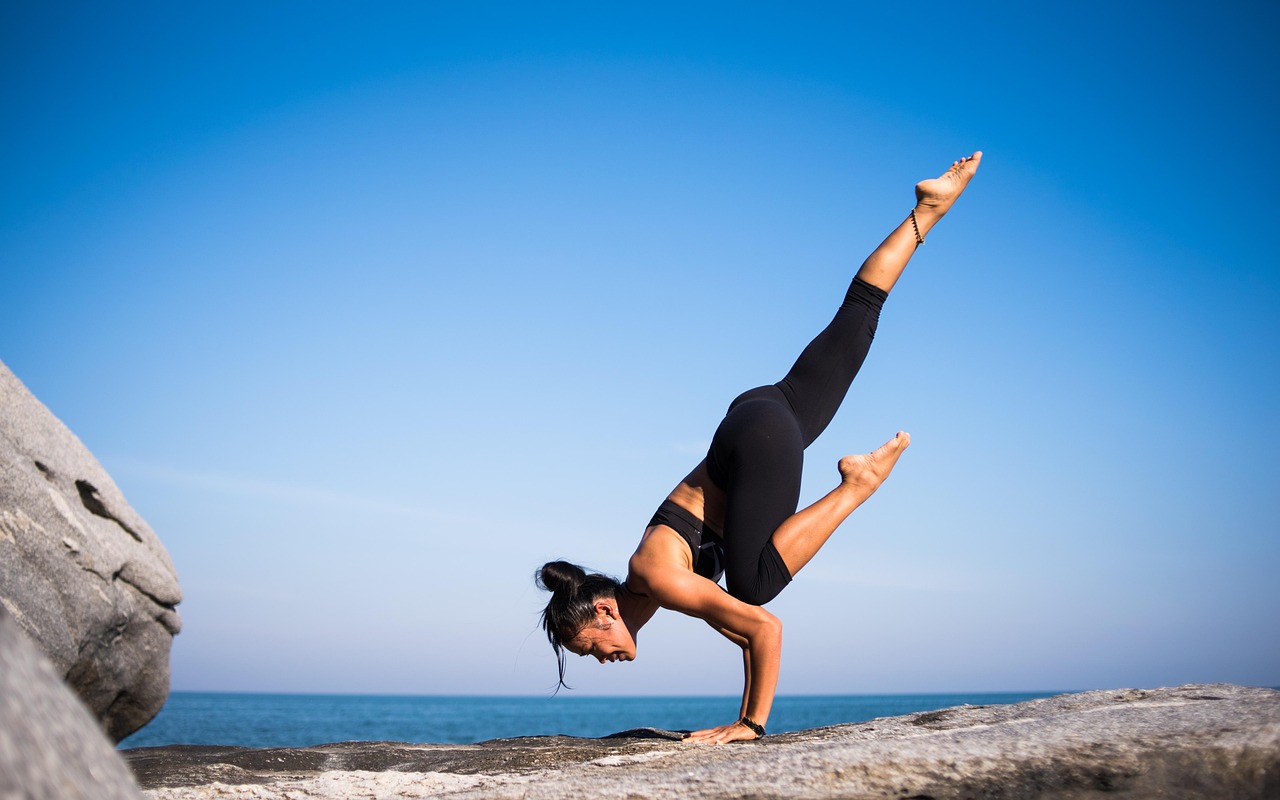
Incorporating balance and coordination tests into your fitness routine is essential for enhancing overall physical performance. These tests not only help in identifying areas of improvement but also contribute to injury prevention. Many individuals overlook the significance of these aspects, focusing primarily on strength and endurance. However, balance and coordination are fundamental skills that enhance athletic ability and daily functioning. Different balance tests can be easily integrated, requiring little space and equipment. Some effective methods include the single-leg stand, dynamic balance tests, and agility drills. Performing these tests regularly can provide insights into your progress, allowing you to tailor your workouts to promote stability and coordination. By focusing on these areas, you’ll likely notice improvements in your physical activities, such as running, jumping, and everyday tasks. Furthermore, working on these skills can also positively impact your mental concentration, which plays a vital role in executing movements correctly. Thus, prioritizing balance and coordination in your routine can lead to significant benefits in both physical and mental health.
Types of Balance Testing Methods
There are various methods to test balance and coordination, each offering unique insights into individual capabilities. One of the most common tests is the Romberg test, which evaluates static balance by measuring the time an individual can stand with eyes closed. Another effective method is the single-leg balance test, where the subject attempts to balance on one leg for a specific duration. The dynamic balance test involves movement, assessing how well the body can maintain stability while in motion. Additionally, agility tests measure the ability to change direction quickly, showcasing coordination skills. Incorporating tools like the balance board or stability balls can enhance the testing process, making it more challenging and effective. Furthermore, using video analysis can provide detailed feedback on performance, helping identify specific areas that need improvement. Trainers and athletes can adapt the difficulty of these tests to suit different skill levels, ensuring progress is achievable yet challenging. By regularly assessing balance through these various methods, you can pinpoint weaknesses, track improvements, and create targeted training plans that drive results.
Safety is a primary concern when conducting balance and coordination tests. It is essential to ensure that the environment is safe and free from hazards that could lead to injury during testing. Consider performing tests in areas where cushioning, such as mats or grass, can reduce the risk of falls. Having a partner or coach present can provide additional safety, allowing for immediate assistance if necessary. Gradually increasing the difficulty of tests can also minimize the risk of injury while promoting improvement. Additionally, proper warm-up exercises should precede any testing session to prepare the muscles and joints adequately. Including exercises that promote flexibility and strength will create a solid foundation for better performance on balance tests. Ultimately, remaining attentive to your physical limits is crucial; you should never push yourself too hard during testing. If you feel unsteady or experience discomfort, it’s wise to stop immediately. This approach not only ensures safety but also allows for more productive testing sessions. By prioritizing safety, you can ensure an effective and beneficial experience during your balance and coordination assessments.
Incorporating results from balance testing into your workout routine is crucial for maximizing benefits. Once you’ve established a baseline through testing, you should set targeted goals to improve your scores. For instance, if your single-leg balance test shows limited stability, focusing on strength and stability exercises, such as lunges and squats, will enhance performance. Utilizing stabilizing exercises like yoga or Pilates can also effectively increase core strength, supporting better balance. Additionally, incorporating agility drills and dynamic movements will enhance your coordination skills, leading to overall improved performance in sports or daily activities. When designing your workout schedule, consider allocating specific sessions to focus on balance and coordination, ensuring that these vital skills are consistently trained. This can include using plyometrics or footwork drills that challenge your stability. Moreover, tracking progress through periodic retesting will provide motivation and enable you to adjust goals as necessary. Consistently integrating these tests and targeted exercises will foster a more comprehensive fitness regimen, ultimately leading to enhanced athletic ability, reduced injury risk, and better overall wellbeing.
Combining Testing with Functional Training
Functional training represents a significant approach to enhancing balance and coordination. This type of training emphasizes movements that replicate daily activities, making it practical for improving your overall functionality. Exercises such as squats, lunges, and deadlifts can be tailored to incorporate balance challenges, promoting coordination and stability. Using resistance bands or weights can further increase the difficulty, making the exercises more beneficial for strength and balance. Moreover, integrating stability equipment such as balance discs or BOSU balls can enhance the functional training experience while directly involving balance and coordination tests. Incorporating these elements into your workout plan can make the routine more engaging and effective. Combine functional movements with agility drills, ensuring your body adapts to changing demands, improving both strength and stability. Regularly performing drills that challenge your body while integrating testing elements creates an engaging workout environment that promotes improvement. Additionally, it can provide a comprehensive assessment of your progress, driving motivation to achieve better goals. Ultimately, this holistic approach to functional training will enhance your athletic prowess and functional abilities.
Progress tracking is an essential component when integrating balance and coordination tests into your fitness routine. Keeping a log of both test results and workouts will provide you with valuable insights over time. Recording specific details like test completion time and repetitions can help identify patterns, showing you whether your balance is improving or remaining stagnant. Consider using apps or fitness journals designed for this purpose, allowing you to visualize your progression in a more organized manner. This practice encourages accountability and motivation, as you can see the tangible results of your hard work. Additionally, celebrating milestones is vital, whether achieving a new personal best or mastering a challenging balance exercise. Such recognition fosters continued motivation and commitment to the training. You might also engage with a fitness community or partner to share progress updates, which can enhance your determination. By sharing your journey and learning from others, you can further refine your approach, identify effective strategies, and achieve camaraderie. Ultimately, a continuous tracking practice will ensure that you remain focused and informed, driving you to achieve your fitness goals.
In conclusion, integrating balance and coordination tests into your fitness regime is paramount to achieving well-rounded physical health. These tests offer insights into your overall stability and coordination, highlighting areas needing improvement. By incorporating various testing methods, you can enhance not just athletic performance but also functional physical activities in everyday life. Striving to improve balance and coordination actively reduces injury risks, increases athletic capabilities, and promotes overall health. Remember to prioritize safety and progression when conducting these tests, ensuring a beneficial experience. The connection between balance, coordination, and physical performance is undeniable; enhancing these skills will lead to incredible results. Consistently applying the insights gained from testing in your functional training routines will foster continuous progress. Moreover, tracking your improvement will offer motivation and provide a clear path forward in your fitness journey. As you focus on these aspects, you will find that not only do your athletic abilities improve, but your effectiveness in daily tasks will also elevate. In a world where physical fitness plays a pivotal role, enhancing balance and coordination will serve you well now and in the future.