
Innovative Accessible Gym Solutions for Disabled Individuals
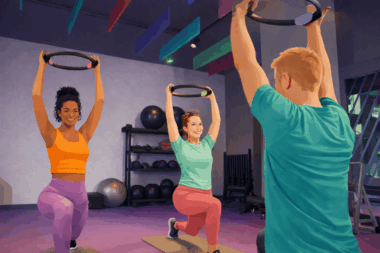
Accessible gym facilities play a crucial role in promoting fitness and wellbeing among individuals with disabilities. These spaces need to be designed thoughtfully, catering to a variety of physical challenges. One way to achieve this is through the installation of adaptable equipment, tailored to users’ particular needs. Assessments must be performed to understand how mobility limitations impact exercise. A range of equipment should be accessible, allowing individuals to perform various exercises effectively. Clear pathways and wide entrances are essential for easy mobility in and around the facility. Staff training is critical, ensuring personnel can assist everyone in using the equipment safely. Furthermore, amenities such as accessible restrooms and water fountains provide additional support. Lighting needs consideration to reduce glare and improve visibility, while tactile signage enhances navigation. Your gym’s atmosphere greatly influences user engagement, so creating an inclusive and motivating environment is key. By implementing these innovative solutions, gyms can break down barriers, encouraging disabled individuals to participate actively in fitness regimens, thus enhancing their quality of life as well as fostering a broader acceptance of inclusivity in the fitness community.
The design of an accessible gym also involves the integration of smart technology to improve the user experience. This might include interactive screens that provide guidance on exercises tailored for specific disabilities. Such innovations can be highly motivating, offering visual cues and tutorials that enhance the workout process. Incorporating virtual trainers can help users navigate their fitness journey independently, building confidence in their abilities over time. Moreover, gyms can improve communication by using apps that remind users of their workout schedules and provide feedback on their progress. These technological advancements must also comply with accessibility standards, ensuring that all users have equal access. Sensory-sensitive environments may be created by incorporating sound-dampening materials and adjustable lighting systems. Also, including immersive soundscapes can be calming for individuals with sensory sensitivities. Inclusive gym programming plays an essential role; offering adaptive classes specifically designed for those with disabilities increases engagement and participation. Partnerships with local organizations can facilitate these programs, providing resources and expertise. Overall, integrating technology in gym design creates a more inclusive environment that appeals to a wider audience, ensuring everyone has the opportunity to lead a healthier lifestyle.
Promoting Community Engagement and Support
Creating an inclusive gym is not just about the physical space; it also relies on community engagement and support. Collaboration with local disability organizations can help gyms understand the specific needs of disabled individuals, leading to better program development. Hosting events that promote fitness and health awareness can encourage participation from everyone in the community, fostering relationships among gym members. Peer support is crucial; providing group fitness classes specifically for individuals with disabilities can create a supportive environment, enabling users to motivate one another. Additionally, having testimonials or success stories displayed within the gym can inspire others. A special focus on family-oriented activities can promote inclusiveness and invite families to be part of the experience. Regular feedback sessions with gym members can ensure ongoing improvements and adaptations to better suit users’ needs. Moreover, promoting awareness through social media campaigns can draw attention to the importance of accessible fitness spaces. Engaging local businesses to sponsor fitness classes or events can also create more opportunities for individuals with disabilities to participate actively. By building a strong community foundation, accessible gyms can thrive and become ongoing hubs for empowerment and fitness participation.
Transport accessibility to gym facilities is another critical aspect that significantly impacts participation among individuals with disabilities. This means ensuring that public transportation routes include stops at the gym or providing shuttle services specifically for members with mobility challenges. Collaborating with local Transit Authorities can help enhance accessibility by improving routes or implementing subsidized transportation options. Clear signage directing disabled individuals to accessible entrances and parking spots can significantly alleviate accessibility issues. Moreover, considering partnerships with rideshare companies can add a layer of convenience for members. Outside the gym, infrastructure improvements within the community should be encouraged, such as installing curb cuts and accessible sidewalks. Accessibility extends to the routes used by potential gym-goers; thus, advocating for comprehensive urban planning becomes crucial. Testing the effectiveness of these transport options by receiving community feedback can proactively address concerns. Additionally, offering memberships and trial sessions to help people try the gym can remove the barriers of commitment and cost, encouraging our community members with disabilities to get involved. Addressing transport concerns will help ensure every individual has the chance to access fitness opportunities without logistical obstacles.
The Role of Staff Training in Gym Accessibility
All staff members in gyms must undergo training and education on how to assist individuals with diverse disabilities effectively. This training should be comprehensive, covering various aspects, such as how to operate adaptive equipment and how to communicate inclusively. Understanding physical and invisible disabilities can create a respectful, knowledgeable staff team. This professional development provides team members with the skills to recognize challenging situations and offer appropriate support. Furthermore, staff training promotes an inclusive culture, ensuring that all members feel comfortable not only using the facilities but also approaching trainers for help. Regular workshops and refresher courses can reinforce this knowledge and adapt to implementing new technologies and equipment. Practical training sessions with disabled individuals can provide first-hand insights into the needs and preferences of users, enabling staff to refine their techniques. Additionally, creating a strong customer service ethos can encourage an environment where every member is greeted warmly and treated with dignity. By cultivating a compassionate and well-informed staff team, gyms will foster an atmosphere that not only supports access but also encourages continuous fitness participation among those with disabilities.
Furthermore, it’s essential for gyms to promote inclusivity through marketing strategies and outreach initiatives. Promotional materials should depict diverse populations, showcasing individuals with disabilities engaged in various fitness activities. This representation is vital in busting stereotypes and encouraging potential members that they, too, belong in the fitness world. Social media campaigns can share stories of triumph, increase visibility, and raise awareness regarding accessible facilities. Additionally, hosting open houses or targeted events focusing on individuals with disabilities can help cultivate interest and eventually memberships. As part of the outreach initiative, offering trial memberships can give individuals the chance to experience the facilities without initial commitment. Partnering with local hospitals, rehabilitation centers, or schools can help reach individuals who may benefit from accessible gym services. These partnerships can lead to improved awareness and understanding of the resources available. Advocating for inclusive attitudes within the fitness community is essential; platforms can be created for conversations about best practices that highlight the importance of inclusive approaches, fostering a more supportive culture overall. Hence, gyms must commit to showcasing their dedication to creating accessible environments through effective marketing and outreach campaigns.
Future Opportunities for Accessible Gym Innovations
The future of accessible gym solutions presents vast opportunities for developing creative ideas that cater to the needs of individuals with disabilities. As technology advances, new devices and systems can be created that allow better accessibility and user engagement. Innovations like virtual reality workouts could transform the way individuals with disabilities experience fitness, providing unique and highly tailored experiences. Moreover, researchers are exploring the potential of wearable technology that can track fitness levels, provide coaching tips, and send alerts to trainers if assistance is needed. Programs integrated into fitness apps can enhance the public’s awareness of various adaptive exercises, enabling users to enhance their routines. As awareness grows surrounding disability issues, gyms can offer better-targeted workshops and fitness programs, engaging the community to discover fitness opportunities. However, embracing input from those directly affected will be essential in informing design and enhancement decisions. Continuous evaluation of accessibility options will allow for ongoing improvements. Collaboration with disability advocates can ensure premium solutions are always sought. Indeed, the fitness industry stands on the threshold of progression; inclusive design will be at the forefront, setting new standards for what accessible fitness means in an ever-evolving landscape.”
The essence of creating accessible gym facilities is the commitment to inclusivity and support for individuals with disabilities. As gyms recognize the transformative power of fitness, adapting environments fosters a culture of wellness that benefits everyone. Enhancing physical and mental health through tailored workouts promotes confidence and courage among users, encouraging a sense of belonging. It is vital that gyms continue evolving, responding to the dynamic needs of the community they serve. By taking a comprehensive approach that integrates technology, design, training, and community support, accessible gym facilities can illuminate paths to wellness for all individuals. Ultimately, building an inclusive fitness environment is an essential step toward a more equitable society, where individuals of all abilities can connect, grow, and lead healthier lives together. This cooperative model inspires both gym owners and members alike to envision transformational change. Collective efforts in promoting inclusivity establish a stronger foundation and engender respect and acknowledgment of diversity. Shaping the future of fitness must involve action, dialogue, and commitment to persistent advocacy for change. As these inclusive practices continue to take root in the fitness industry, remarkable possibilities will unfold, empowering everyone to experience the joy of fitness without barriers.