
Innovations in Adaptive Fitness Technology for Youth
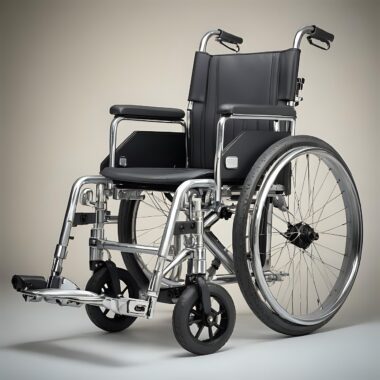
Adaptive fitness technology has witnessed significant advancements designed specifically for children with disabilities. These innovations play a crucial role in promoting health and fitness, making physical activities inclusive and enjoyable. One prominent development is the use of specialized equipment that accommodates various physical limitations. These tools often feature adjustable settings that cater to individual needs, ensuring optimal comfort and safety.
Technological integration in fitness programs also incorporates virtual reality (VR) systems that immerse children into engaging environments. With VR, young users can participate in interactive workouts that are tailored to their abilities. This not only maintains their interest in fitness but also helps in developing motor skills. Additionally, gamification elements within these systems encourage children to reach specific goals, creating a sense of accomplishment and motivation.
Wearable devices have gained traction as well, providing real-time feedback on physical activity levels. These gadgets allow caregivers to monitor the child’s progress and tailor activities to suit their needs. Improved data collection from these devices enables the adjustment of fitness plans accordingly. Moreover, such tracking can foster independence as children take charge of their fitness routines, receiving encouragement through friendly competition.
The Role of Community and Inclusion
Adaptive fitness technology also emphasizes the importance of community engagement. Through inclusive programs, children with disabilities can engage with their peers, promoting social interaction and collaboration. These activities help reduce feelings of isolation. Furthermore, supportive community environments provide a platform for shared experiences, fostering friendship and camaraderie among participants who share similar challenges.
Programs that include family members create an inclusive atmosphere that encourages support networks. Exposing families to adaptive fitness encourages understanding and acceptance of disabilities. This participation not only boosts the child’s confidence but also informs parents about the specific requirements crucial for their child’s fitness journey. Such involvement increases the likelihood of continued participation in fitness activities.
Innovative coaching methods are emerging that incorporate adaptive fitness in sports programs. Coaches trained in adaptive techniques can better assist children with disabilities, ensuring they receive the guidance necessary to thrive. These practices teach essential skills while making physical activity enjoyable. Enhanced coaching strategies are designed to build positive self-esteem while also focusing on attaining specific fitness milestones, engaging the child in a meaningful yet fun way.
Future Perspectives in Adaptive Fitness
The future of adaptive fitness technology looks promising, with ongoing research into equipment and methods that further enhance inclusivity. Future innovations may involve AI-driven approaches to create personalized fitness experiences for children. Smart technologies will likely offer immediate feedback, adjusting exercises based on collected performance data, which can lead to even higher engagement rates among users.
Furthermore, education initiatives aimed at encouraging schools to adopt adaptive fitness programs are underway. Such initiatives will highlight the importance of implementing these technologies and practices for all students. As our understanding of different needs expands, it is essential that inclusivity becomes a standard in youth fitness culture. Ultimately, breaking down barriers can lead to substantial improvements in physical and emotional health outcomes for these children.