
Indoor Cardio and Mental Health: The Connection
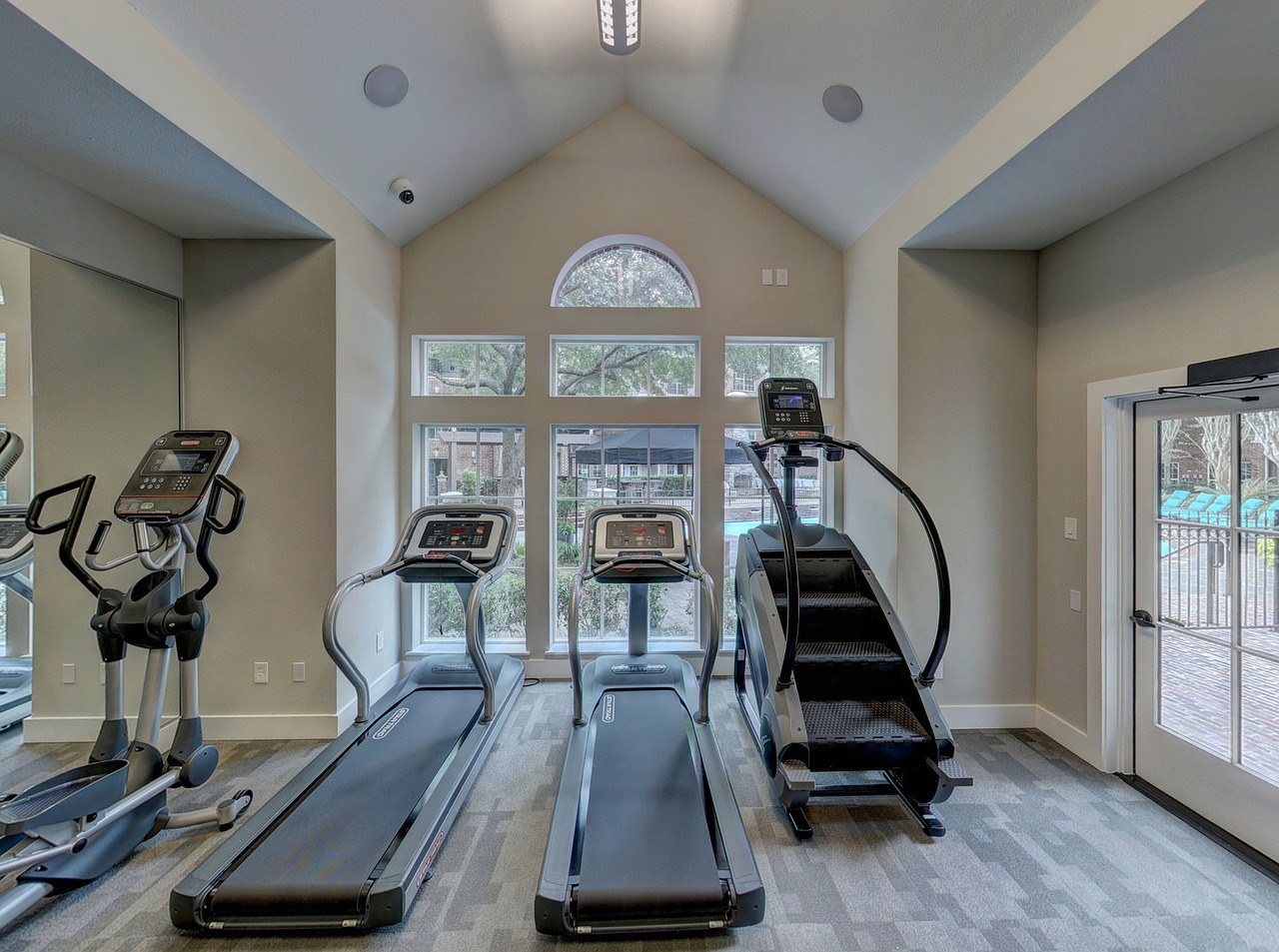
Indoor cardio workouts have become a primary choice for many fitness enthusiasts, particularly when outdoor conditions are less than ideal. These workouts not only enhance physical health but significantly impact mental well-being. Engaging in regular aerobic exercises indoors promotes the release of endorphins, chemicals that elevate mood and create a sense of happiness. This natural response helps combat stress and anxiety, making indoor cardio an excellent choice for mental health support. Many find that the variety of indoor exercises such as cycling, treadmill running, or dance workouts can keep motivation high. Furthermore, incorporating indoor fitness routines eliminates environmental barriers like weather or pollution, making exercising more accessible. This accessibility greatly benefits individuals who struggle with outdoor workouts due to these factors. Also, joining a virtual class can provide a sense of community, which further enhances mental resilience. Finding a suitable indoor cardio routine can significantly improve your overall mental state. In turn, this helps manage stress levels, improves focus, and enhances overall productivity as well. Keeping these benefits in mind, it becomes clear that indoor cardio is a vital part of a balanced fitness regimen.
The Benefits of Indoor Cardio
Indoor cardio workouts provide numerous benefits that extend beyond physical fitness. Primarily, these exercises can significantly enhance your cardiovascular health, improving heart and lung function. For instance, activities like jumping jacks, burpees, or stationary cycling boost heart rate and burn calories effectively. Additionally, indoor cardio allows individuals to exercise throughout the year, regardless of seasonal changes or inclement weather. This convenience can encourage regular participation, leading to greater gains in both physical and mental health. Furthermore, the ability to customize the intensity and duration of workouts is a significant advantage of indoor cardio. Individuals can easily adjust their exercise routines based on personal fitness levels. This personalization can lead to increased motivation and enjoyability. Moreover, engaging in indoor workouts fosters a sense of accomplishment, and positive self-image benefits mental health further. Social aspects should not be overlooked, as many platforms allow for group classes, providing motivation and accountability. Participating in these online communities can counter feelings of isolation during harder times. By emphasizing positive mental outcomes, we can appreciate the multifaceted advantages indoor cardio provides for overall health.
Incorporating activities such as yoga or Pilates into your indoor cardio repertoire can promote additional mental health benefits. These activities not only provide physical engagement but also foster mindfulness and relaxation. Mindfulness helps individuals stay focused on the present moment, which can help in relieving anxiety or depressive thoughts. Many people find that combining intense cardio sessions with these calming practices creates a balanced workout schedule. Thus, one can achieve a better state of mental clarity and emotional stability through this combination. The challenge lies in discovering which indoor exercises resonate best with you. This exploration process can be enjoyable, leading you to new classes or workout styles. For instance, trying various online platforms or local studios can open up a world of unique fitness experiences. Additionally, consistency is key; developing a regular workout routine enhances both physical and mental capabilities. Each self-care session can gradually build resilience against everyday stresses while improving your emotional well-being. When engaging in indoor fitness, remember that enjoyment and engagement lead to long-term sustainability and positive psychological impacts. Keeping these aspects in mind, broaden your indoor fitness horizons!
Setting Goals for Indoor Cardio
When embarking on an indoor cardio fitness journey, establishing realistic and measurable goals is essential. Setting clear objectives can help to maintain motivation and provide a roadmap for your progress. Begin by determining your current fitness level, allowing you to create attainable targets. For example, strive for a goal of completing three indoor cardio sessions weekly or aim to increase workout intensity gradually. Keeping a journal is advisable, as it can track your exercise sessions and mental state throughout your journey. Documenting accomplishments serves as an effective way to reflect on growth and keep motivation intact. Additionally, consider incorporating a rewards system to celebrate achievements, whether through small treats or new gear. Members of fitness communities can also keep each other inspired as they share their progress and victories. This collective support enables individuals not only to meet their goals but to encourage others. Remember, cultivating positive mental health alongside your fitness journey is crucial. Celebrate progress, even small milestones, as this contributes significantly to sustaining motivation. Achieving your indoor cardio objectives can yield numerous mental health advantages—stay committed, and the benefits will unfold.
Proper nutrition alongside your indoor cardio workouts plays a vital role in enhancing mental health. Foods rich in antioxidants, omega-3 fatty acids, and vitamins can positively impact brain function. Including meals packed with these nutrients helps support cognitive function and emotional regulation. For instance, consider nuts, fish, berries, and leafy green vegetables to boost your diet. Staying hydrated is equally important, as dehydration can lead to decreased energy levels and cognitive decline. Combining hydration with nutritious foods before or after workouts not only helps recovery but also enhances mood states. Furthermore, adhering to a balanced diet supports the energy demands of indoor cardio activities. Ensuring you are getting enough nutrients acts as a foundation for optimal performance. It also assists with managing stress levels. Practicing mindful eating can contribute to overall mental wellness and physical fitness. Paying attention to hunger cues allows individuals to engage in healthier eating practices. Notably, developing a positive relationship with food empowers you to view meals as fuel rather than restrictions; thus ensuring high motivation to follow indoor routines as well. Healthy eating represents a commitment to your overall mental and physical wellbeing.
Mixing Up Your Indoor Cardio Regimen
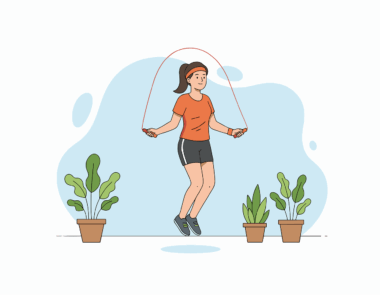
To keep your indoor cardio workouts exciting and beneficial, variety is key. Engaging in a mix of activities can prevent workout monotony and provide diverse physical benefits. For example, alternating between dance cardio, jump rope sessions, and treadmill intervals can challenge different muscle groups while enhancing cardiovascular endurance. Incorporating new equipment, like resistance bands or kettlebells, can enhance an indoor regimen too. By diversifying workouts, you not only maintain physical interest but also keep your mind engaged. Challenging both physical and mental capabilities is a great way to add excitement. Another idea is to set personal monthly themes for your workouts. For example, focus on high-intensity interval training one month and incorporate gentler workouts the next. This rotating structure keeps things fresh and holds yourself accountable. Additionally, exploring various online fitness classes can expose you to different instructors, workout styles, and even music genres. This approach can help you discover new favorites, ensuring that indoor fitness remains enjoyable. Remember, the more enjoyable your workouts, the higher your chances of sticking with them long-term. Hence, mixing things up can truly foster a healthier lifestyle!
Finally, it’s essential to recognize the importance of mental health awareness in the context of workout routines. As individuals prioritize their fitness, mental well-being should equally receive attention. Regularly checking in on your emotional state can help identify if your indoor cardio routine aligns with your mental needs. If workouts become burdensome, consider reassessing your goals and exploring gentler options like yoga or leisurely walks inside. Balancing mental health and fitness can foster a sustainable approach, helping maintain motivation over time. You may also find it helpful to engage in meditation or journaling before or after workouts to facilitate emotional processing. These habits can help alleviate tension and promote self-reflection. Moreover, take time for self-care, even outside workouts, to reinforce positive mental health. Engaging in hobbies or spending time with loved ones can help counteract the stresses associated with maintaining fitness. In conclusion, understanding the connection between indoor cardio and mental health is invaluable. Prioritize both aspects equally to ensure overall well-being. Learn to recognize signs of burnout and fatigue as well, and never hesitate to seek help if needed. Ultimately, your physical and mental health are intertwined.