
Hydration Techniques for Youth Athletes: Staying Safe and Energized
Hydration is an essential aspect of youth athletics that plays a vital role in ensuring safety and performance. Young athletes are equipped with vibrant energy but are also more susceptible to dehydration. It’s crucial for coaches, parents, and participants to understand that dehydration can hinder physical performance and lead to severe health risks, such as heat exhaustion. To combat this, athletes should consume fluids consistently throughout their activities. Interestingly, many young athletes often forget to drink water during breaks or may ignore their body’s signals for hydration. Encouraging athletes to maintain a pre-hydration routine before engaging in workouts or events is key. They should start hydrating at least a few hours prior. Moreover, incorporating sports drinks can help replenish lost electrolytes during intense activities. Sports drinks are particularly effective during long-duration events, as they can improve endurance and reduce the risk of cramping. However, education on when and how much to drink is essential, as excessive consumption may also prove harmful. Having readily available and appealing hydration options can drastically enhance a young athlete’s performance while ensuring safety.
Understanding Fluid Needs for Young Athletes
To effectively address hydration for youth athletes, everyone involved must understand the different fluid needs based on various factors. Each athlete’s individual hydration requirement is influenced by age, weight, the intensity of sport, and weather conditions. Generally, a good rule of thumb is for athletes to aim for at least 17 to 20 ounces of water two to three hours before the event or practice. During the exercise sessions, it’s recommended they drink another 8 ounces every 20 minutes. Understanding this practice can set the tone for effective hydration habits that last a lifetime. Weather conditions such as heat and humidity increase the rate of fluid loss through sweat, making it essential to monitor intake closely during these instances. Coaches and parents should teach athletes how to recognize signs of dehydration like fatigue, dizziness, and decreased performance. Encouraging young athletes to monitor their body weight before and after exercising can also serve as a practical gauge of fluid loss. This can provide valuable insights to ensure that they are meeting their hydration needs effectively. Keeping track of these requirements makes it easier to stay energized and perform at the highest level.
In addition to water, another vital component of hydration for youth athletes is electrolyte balance. Electrolytes, such as sodium, potassium, and magnesium, are crucial for maintaining fluid balance within the body. While water is essential, simply drinking water during intense activities may not suffice, especially when the duration extends beyond an hour. In such cases, sports drinks or electrolyte-rich foods can be beneficial for replenishing these vital minerals lost through sweat. Parents and coaches should also emphasize the importance of not solely relying on sports drinks but focusing on a well-balanced diet that ensures adequate intake of natural electrolyte sources. Foods such as bananas, oranges, and spinach can naturally help replenish supplies lost during strenuous activities. Educating young athletes about the signs of electrolyte imbalance, which may include muscle cramps and fatigue, is equally important. Recognizing these symptoms will lead to better awareness and quicker solutions if they occur. As young athletes learn to balance their hydration and nutrition effectively, they’ll be more prepared to handle the demands of their sport while ensuring their safety and health remain priorities.
Creating a Hydration Schedule
Establishing a consistent hydration schedule is paramount in promoting a culture of hydration among youth athletes. This schedule can be a helpful tool in keeping track of when and how much athletes should be drinking before, during, and after practices or competitions. For instance, setting reminders for hydration breaks during practice can provide athletes with structured moments to hydrate. Incorporating hydration stations filled with appealing options, such as flavored water, can also increase their desire to drink. Educators and coaches should encourage personal hydration strategies, where young athletes can document their fluid intake and recognize patterns that work best for them. This not only promotes responsibility for their hydration needs but also fosters interactive discussions among peers about effective hydration. Additionally, coaches can lead short sessions to educate athletes about why hydration matters. Using engaging visuals and scientific facts can make the subject matter more engaging and memorable. By prioritizing education around hydration schedules, athletes can build lifelong habits that will serve them well throughout their athletic careers and beyond.
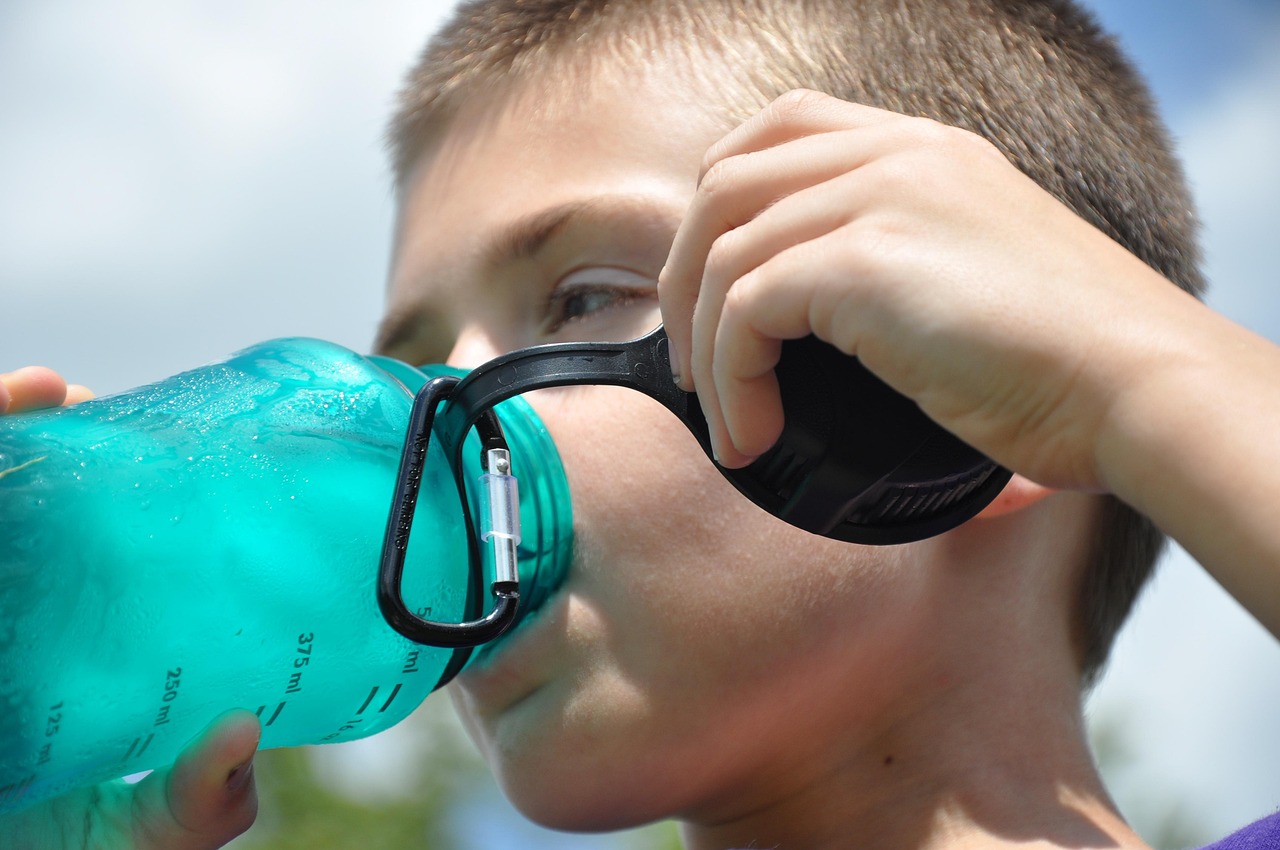
Moreover, parents play a critical role in modeling hydration behavior at home and during sports events. Children often emulate their parents’ behaviors and attitudes towards hydration. As such, parents should aim to make hydration an enjoyable routine. Encouraging family hydration practices during meals and activities can instill lasting habits. Providing readily available sources of hydration, such as reusable water bottles, allows young athletes to drink more conveniently. In particular, customizable bottles with their favorite sports team or colors can motivate athletes to drink more often. Planning ahead and ensuring that athletes have access to fluids before and during practices or games is key to their overall performance. At competitions, parents should make their child’s hydration status a priority, ensuring they have a good supply readily accessible. Conducting regular check-ins with young athletes about their hydration can support their understanding of its importance. Ultimately, when the home environment reinforces hydration, it enhances compliance and cultivates a proactive mindset towards personal health and safety for the young athlete.
Tips for Ensuring Proper Hydration
To ensure optimal hydration for youth athletes, several practical tips can be shared among coaches, parents, and athletes. First, athletes should familiarize themselves with the flavor and temperature preferences of various beverages to make hydration more appealing. Cold water can be more refreshing, while flavored options can make drinking more fun. Second, implementing a buddy system could promote accountability among teammates during practice sessions to remind each other to drink. It’s essential that young athletes learn to listen to their bodies and recognize when they feel thirsty. When involved in lengthy tournaments or practices, having a hydration plan in place can help mitigate performance issues. Finally, keeping track of fluid loss through hydration logs can also provide insights into individual hydration needs over time. These simple strategies contribute to building a culture where athletes are consistently aware of their hydration needs and strive to maintain optimal fluid balance. Encouraging young athletes to embrace these practices will foster an understanding of the critical link between hydration, performance, and overall well-being.
In conclusion, hydration is an indispensable element of youth athletics that significantly affects performance and safety. As young athletes tackle physical challenges, it is crucial to prioritize hydration education and practice. Coaches, parents, and athletes alike must collaborate to create an environment that recognizes the importance of staying hydrated. Encouraging the use of hydration schedules, educating on electrolyte balance, and modeling healthy hydration practices can promote better awareness among young athletes. Moreover, detailed hydration strategies can empower athletes in their quests to achieve their personal best while minimizing risks. As sports continue to evolve, so should the understanding and implementation of proper hydration techniques. The foundational skills developed during these formative years can lead to lifelong habits that contribute to both athletic and personal success. It is essential to encourage youth athletes to cultivate a proactive attitude toward their health while ensuring they understand the significance of hydration. Ultimately, fostering an enthusiastic and knowledgeable approach to hydration will pave the way for a safer, energized, and more enjoyable athletic experience.