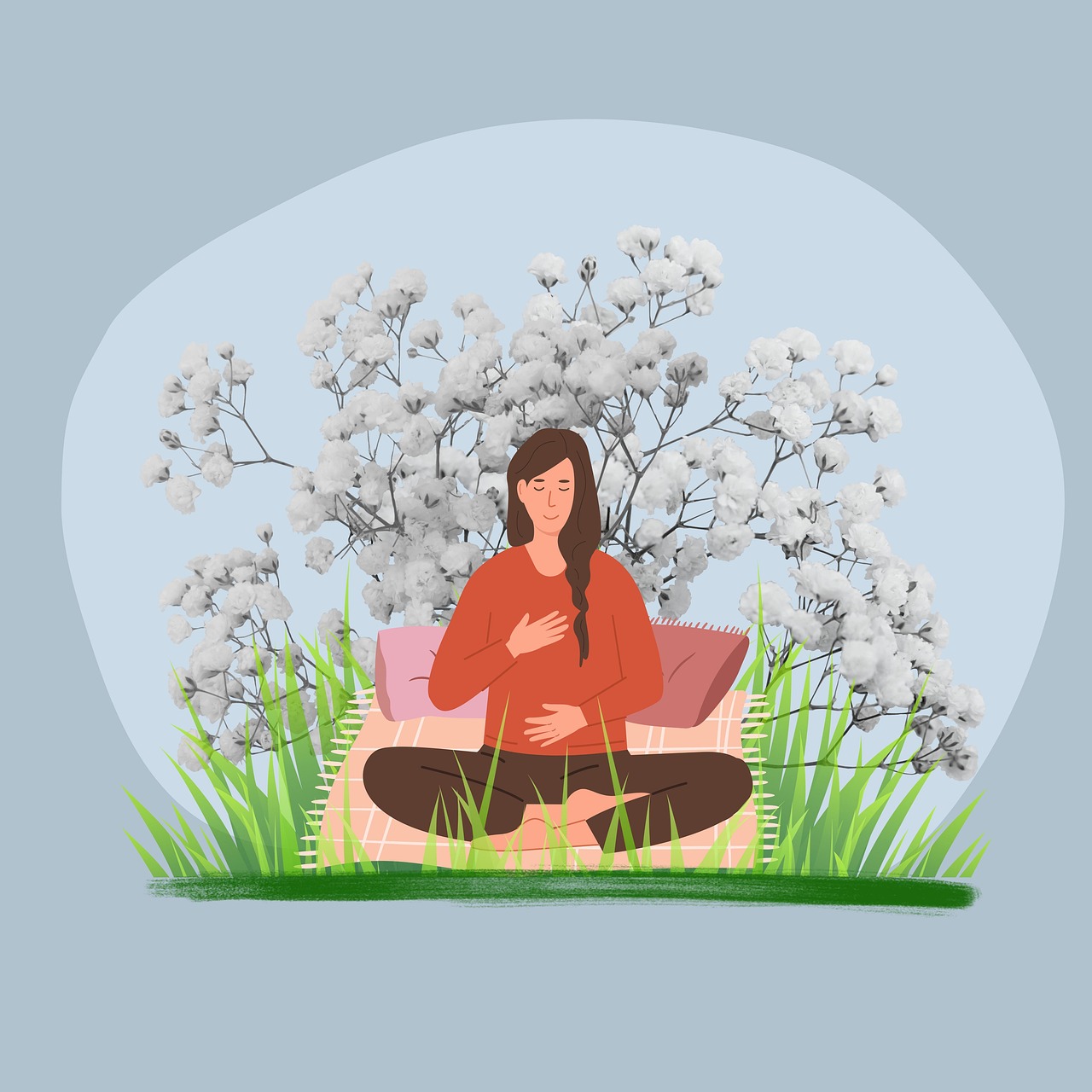

How to Incorporate Breathing Exercises into Your Daily Yoga Routine
Incorporating breathing exercises into your daily yoga routine can enhance your overall practice, grounding you and bringing mindfulness to each session. Start by choosing a consistent time and place for your yoga practice, as this consistency will help you prioritize breathing exercises. Consider beginning each session with a few moments dedicated solely to your breath. Sit in a comfortable position and take a few deep breath cycles, inhaling through the nose and exhaling through the mouth. This immediately sets the tone for a focused practice. As you progress, integrate specific breathing techniques like diaphragmatic breathing or “Ujjayi breath. These methods encourage greater oxygen flow and promote relaxation. Experiment with varying counts for your inhales and exhales, allowing your body to find a natural rhythm. Furthermore, consider using chants or mantras during your breathing practices. This added auditory element can deepen your focus, making the breathing exercise more meditative and enriching. Remember to stay patient as you explore these techniques; mastering breath work takes time. The key is consistency and finding what feels right for your uniquely personal yoga journey and practice.
As you develop a habit of incorporating breathing exercises into your yoga routine, try linking breath with movement during your asanas. Breathe in deeply before transitioning into a pose, then exhale fully as you settle into it. For example, when entering a Warrior pose, inhale while raising your arms overhead and engage your entire body. This connection helps maintain focus and balance throughout your practice, enhancing your overall experience. Also, paying attention to your breath during challenging poses can help you stay calm and centered. Whenever you begin to feel discomfort or fatigue, remember to return to your breath. By focusing on controlled breathing, you can alleviate tension in your body, allowing you to hold poses longer and with greater ease. Consider adopting a specific set of breathing techniques for each yoga session that caters to the theme of your practice. For more dynamic sessions, utilize quick, energizing breaths known as “Kapalabhati”. In contrast, for restorative practices, you might prefer slower, gentle breaths like “Nadi Shodhana”. Tailoring your breath work to each session can maximize the benefits of your yoga practice and deepen your awareness.
Mindful Breathing Techniques
Mindful breathing is a vital component of your yoga routine. It helps you cultivate awareness and presence in each moment. One remarkably effective technique to implement is the “Box Breathing” method. This involves inhaling for a count of four, holding the breath for four counts, exhaling for four counts, and pausing for another four counts before inhaling again. Repeat this cycle several times. This technique not only improves lung capacity but also enhances focus and reduces anxiety. Another helpful technique is “Equal Breathing”, where you match the length of your inhales and exhales. For instance, you might inhale for four counts and exhale for the same duration, creating balance and grounding. This practice is particularly beneficial when facing stress or distraction during your routine. Engaging in these mindful breathing exercises prepares your body and mind for the physical demands of yoga. Remember that proper technique is key. Ensure you’re breathing deeply into your diaphragm, allowing your stomach to expand as you inhale. This stimulates the relaxation response and promotes mindfulness, making it an ideal companion for your yoga session.
Creating a visual cue can enhance your focus on breathing exercises during your yoga practice. A visually appealing representation of breath work can guide you in your sessions. Consider placing an inspiring image or a small token on your mat or near your practice area to serve as a reminder to concentrate on your breath. This simple addition can transform difficult moments into opportunities for gratitude and mindfulness. To further improve your breathing exercises, incorporate technology by using apps that guide you through breathing techniques and monitor your progress in real-time. There are numerous options available that offer visual and auditory cues to support your breath work. Additionally, setting a timer to practice breath exercises for a certain duration can motivate you to stay committed. It ensures that you take adequate time before transitioning into more demanding asanas. Pair your breathing exercises with relaxing music or nature sounds to amplify the calming effects on your mind and body. The right auditory environment can create a more immersive yoga experience and enhance your focus on slow, mindful breaths throughout your routine.
Integrate with Meditation
To maximize the benefits of your breathing exercises, consider integrating them with meditation practices. Meditation and yoga both emphasize the importance of breath, making them natural companions. Begin and end your yoga sessions with a short meditation focused solely on your breath. Close your eyes and take a few deep inhales and exhales, anchoring your awareness on the sensation of the breath entering and leaving your body. This primes your mind and body for the practice ahead or helps you transition into relaxation afterward. During your meditation, explore various breathing techniques that internalize mindfulness. For instance, focus on the duration and rhythm of each inhale and exhale. Observe how your breath feels, while letting any distractions fade into the background. When you synthesize meditation and yoga through breath work, you create more profound levels of awareness and peace. You may find it easier to stay present during challenging yoga poses and maintain concentration throughout your session. Embracing this combined approach allows you to cultivate a deeper understanding of the benefits of both breathing and meditation in your yoga journey.
Moreover, chronic stress can greatly impact your physical and mental well-being; hence, choosing to incorporate consistent breath exercises in daily yoga practice can alleviate anxiety. Worth noting, scientific research confirms that intentional breathing diminishes stress, as it activates the body’s relaxation response. As you develop this practice, you may notice improvements not only during your yoga routine but also in your everyday life. Make it a habit to pause and take conscious breaths, especially during moments of stress or tension. This practice can transform not only your yoga sessions but also how you approach life’s challenges. Establish a routine where you dedicate a few minutes each day to concentrated breathing exercises. By integrating pauses into your day, you empower yourself to interact with challenging situations more peacefully and calmly. Experiment with different breathing techniques until you find ones that resonate with you and promote clarity in both your yoga practice and daily routine. The combination of breath and movement can be a powerful catalyst for personal growth, mindfulness, and emotional stability. Gradually, you’ll build resilience, enhancing your overall quality of life.
Wrap-Up
As you continue your journey into yoga, incorporating breathing exercises will enhance your experience and satisfaction. The benefits of conscious breathing are numerous; they allow for deeper relaxation and increased focus, paving the way for greater understanding of your practice. Regular breath work fosters heightened self-awareness, enabling you to explore your boundaries and capabilities. Develop a personal breathing routine that complements the specific objectives of each yoga session while ensuring that it aligns with your overall goals. Remember to remain patient and curious in your exploration of breath work within your routine. Pay attention to how different techniques impact your practice and adapt your approach accordingly. Community resources such as yoga classes and workshops often introduce valuable insights into breath work that can further enrich your experience. Seek out local classes or online workshops that specifically teach breathing exercises to further sharpen your skills. Engage with experienced instructors who share valuable tips and techniques. By keeping breath awareness at the forefront, you will maintain greater balance in your yoga practice, and consequently, your everyday life, leading to a happier, healthier existence.
In summary, remembering to incorporate breathing exercises into your daily yoga routine can unlock a wealth of benefits that transform both your practice and life. Breathing serves as your anchor, rooting you in the present moment, and promoting feelings of calm and stability. Whether enhancing your yoga poses, integrating meditation, or finding breath during stressful moments, these practices can significantly impact your overall well-being. As you explore different breathing techniques, remain open-minded, allowing for organic growth and evolution within your practice. Embrace the unique journey each yoga session offers, personifying your evolution with intentional breathing work. As you refine your practice, tap into the potential of breath to elevate your experience and mindfully guide you through both challenges and triumphs. Make a commitment to enhance your practice through the nurturing nature of breath. Ultimately, this dedication will deepen your connection to yoga and further enrich your experience on and off the mat.