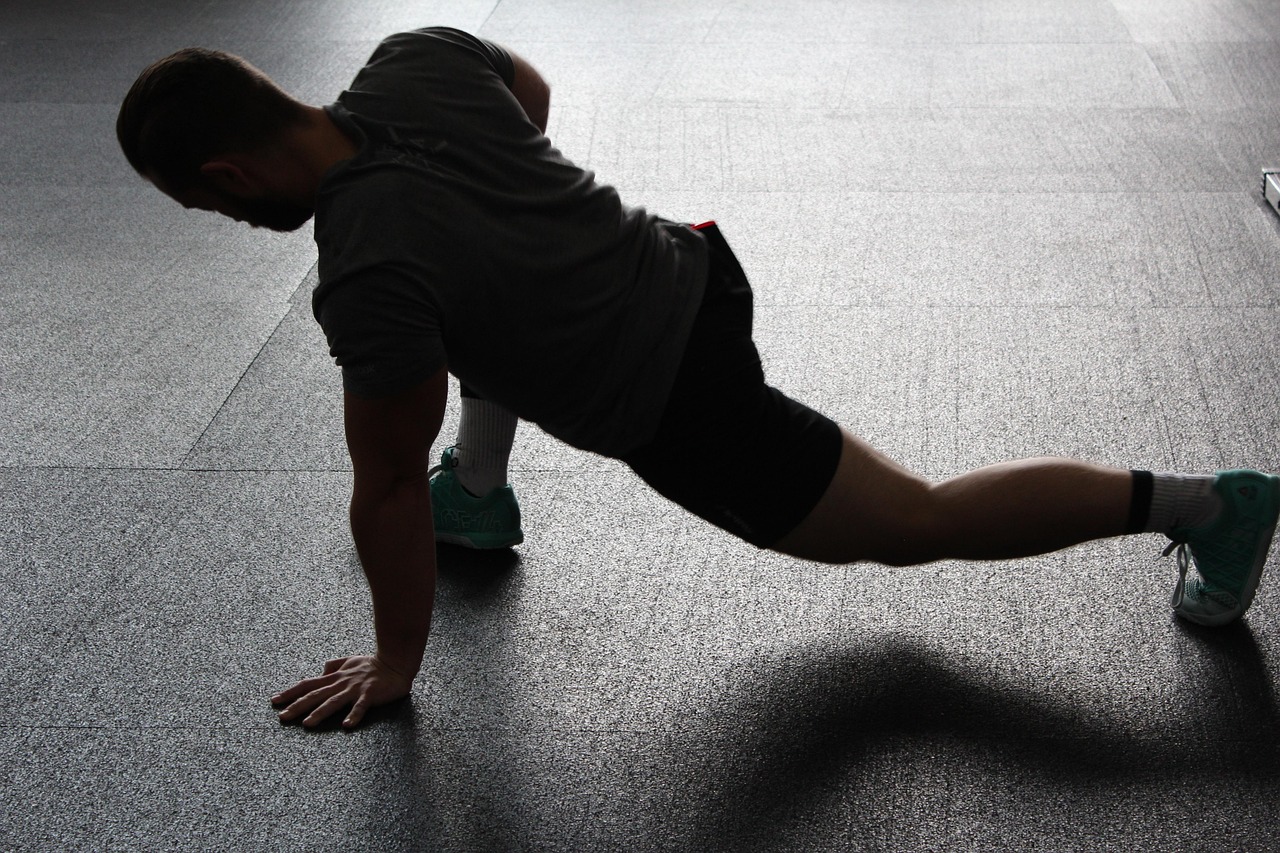

Effective Warm-up Routines to Prepare for Progressive Overload Training
Starting any workout with a proper warm-up is crucial, especially when engaging in progressive overload training. A good warm-up prepares your muscles and joints for the intensity of lifting heavier weights. It increases blood flow and elevates your heart rate, which helps prevent injuries. Begin with 5-10 minutes of light cardio, such as jogging or cycling, to get your blood pumping. Next, transition to dynamic stretches that’ll engage all major muscle groups. Aim to perform exercises like arm circles, leg swings, and torso twists. These movements increase flexibility and mobility, preparing your body for resistance training and avoiding stiffness that can hinder performance. Additionally, consider including functional movement patterns. Perform bodyweight squats, lunges, and push-ups, reducing the gap between warm-ups and actual lifting. This approach gradually introduces intensity. Finally, include a few practice sets with lower weights, focusing on form and technique. Always listen to your body. If you feel tightness or discomfort, spend extra time on warming up those areas to ensure they’re ready for the challenge ahead.
Determining the right warm-up routine depends on the workout type. For weightlifting aimed at progressive overload, customizing your warm-up is essential. Identify the primary muscle groups you will be targeting in your main workout and focus your warm-up accordingly. For instance, if you plan to work on your chest and triceps, include specific exercises that engage these muscles, such as push-ups or tricep dips. Key exercises such as these prepare your muscles for heavier loads without compromising safety. Focus on maintaining a controlled pace to effectively warm up your body. In addition, integrating mobility drills such as shoulder dislocates or hip openers can help enhance joint flexibility, further enabling you to lift more efficiently. As a bonus, these exercises contribute to a full range of motion during your workout. Notably, consistency in your warm-up regimen is crucial. Sticking to the same warm-up protocols will help track how prepared your body feels over time. Regularly adapting the warm-up routine can also keep it fresh, ensuring that excitement and engagement are sustained throughout your training sessions.
Incorporating Dynamic Stretching
Dynamic stretching is a vital part of any effective warm-up routine. It actively engages muscles as opposed to static stretching, which can reduce muscle performance if performed beforehand. Examples of dynamic stretches include leg swings, walking lunges, or high knees. Each of these moves helps promote mobility, activate the central nervous system, and stimulate synovial fluid production within the joints. Incorporate these stretches into your warm-up to mimic the movements you’ll encounter in the workouts ahead. Spend at least 10-15 minutes on dynamic movements specifically designed for the muscle groups you’re focusing on that day. Remember that the goal is not to overstretch but to energize your muscles and joints for increased performance. Additionally, consider performing sport-specific movements at a lower intensity. For example, an athlete preparing for squats could include partial squats or bodyweight squats in their warm-up. This aligns neural patterns and primes the muscles for heavier weights, facilitating a smoother transition to high-intensity lifts. Prioritize tempo and form throughout these dynamics, maintaining a full range of motion to enhance overall effectiveness.
The Role of Mobility Work in Your Routine
Incorporating mobility work into your warm-up routine supports overall performance and injury prevention. Mobility training focuses on joint health, enhancing the movement quality essential for progressive overload. To get started, consider including exercises that target key joints such as the hips, shoulders, and wrists. Techniques like foam rolling can release tight muscles while increasing blood flow to the targeted area. Dynamic hip openers, shoulder circles, and wrist stretches are excellent options. Performing each movement slowly increases control, enhancing functional range over time. Explicitly, focus on ranges that correlate with your lifting motions. Before performing squats, incorporate ankle and hip mobility drills to ensure optimal depth and form. Similarly, when preparing for pressing movements, include thoracic spine mobility to enhance positioning. Mobility work should ideally take at least 10 minutes of your warm-up—ideally assessing tight areas to give them targeted attention. As a result, you will significantly reduce the risk of injury during lifting sessions while promoting better mechanics. Ultimately, a solid mobility approach lays the groundwork for effective muscle-building progress.
Another essential component of effective warm-up routines is the activation of key muscle groups. Muscle activation refers to engaging specific muscles that will be utilized in your upcoming training. To prepare for progressive overload, hip bridges, leg raises, and banded lateral walks can effectively activate the glute muscles. Don’t overlook activating other key areas like the core and upper back, as these are often neglected during warm-ups. Implement planks, dead bugs, and band pull-aparts to effectively engage these muscle groups, making them ready for heavier lifts. Spend at least 5-10 minutes focusing on these exercises. Remember that muscle activation is about quality over quantity; ensure each contraction is executed with precision. With proper activation, you’ll benefit from improved performance and optimal muscle recruitment during your workout. It also fosters enhanced mind-muscle connection, integral for muscle growth. Monitoring how your body feels as you activate these muscles is essential. Adjust based on your needs. The feedback can provide insight into imbalances that need accounting for, ensuring a balanced workload during your progressive overload journey.
Gradually Increasing Intensity with Warm-ups
Another key principle of effective warm-ups for progressive overload is gradually increasing workout intensity. Instead of jumping right into heavy lifts, integrate lighter sets of the same exercises into your routine. Start with a warm-up set using approximately 50% of your working weight. This technique enables you to reinforce proper technique while preparing your muscles for the heavier lifts. Take your time transitioning through progressively heavier loads, allowing your body to adapt to the increasing demands. For instance, if your squat working set is 200 pounds, begin with 100 pounds as your warm-up set. Following each set, adjust intensity based on your performance and readiness; this will be a vital gauge to determine your lifting potential for the day. Furthermore, incorporate short rest intervals to keep your heart rate elevated throughout the warm-up process. This way, you are not only warming up your muscles but also preparing your body for the cardiovascular intensity that will accompany progressive overload training. Consistency in this gradual approach is key to improving not only strength but also overall lifting capacity.
Finally, maintaining proper hydration during warm-ups is an often-overlooked aspect that greatly impacts performance. Hydration plays a critical role in muscle function, and being well-hydrated can enhance strength output during progressive overload routines. Begin your warm-up with ample water intake to ensure your muscles are operating optimally. Replenishing fluids before and during training sessions helps prevent fatigue and cramping. Carry a water bottle throughout your workout, taking sips as needed. Some individuals may benefit from electrolyte supplements, particularly if training in hot or humid conditions. Monitoring urine color can also indicate hydration status; aim for a pale-yellow hue as a general guideline. Additionally, post-workout hydration is crucial in muscle recovery after overloading sessions. Aside from water, consider consuming a balanced blend of carbohydrates and electrolytes post-exercise. This combination effectively replenishes nutrients lost during the workout, ensuring your muscles recover sufficiently for future training. Establishing a solid hydration habit will ultimately support long-term progress, aiding in muscle growth and enhancing overall performance.