
Deadlift Variations and Their Benefits for Powerlifters
The deadlift is a foundational lift in powerlifting, essential for developing overall strength and muscle growth. Powerlifters utilize various deadlift variations to enhance their performance and target specific muscle groups. Understanding each variation’s mechanics and benefits can assist lifters in achieving optimal results during training. Deadlifts can vary in stance, grip, and bar position, thus inviting unique adaptations and training outcomes. By strategically incorporating these variations, powerlifters can improve not only their deadlift strength but also their lifts in other competitions such as the squat and bench press. Let’s explore these variations more in-depth to comprehend their specific benefits, purposes, and ideal applications within a training program to enhance overall performance. Accessing a wealth of information about deadlifts can make a considerable impact on your training approach. Many resources provide tips for mastering deadlift mechanics and optimizing performance. Lifters should consider these variations seriously, as selecting the proper technique can lead to tremendous gains in strength, stability, and overall power gains. The versatility of the deadlift makes it a staple in any effective powerlifting regimen for developing robust athletic performance.
Conventional Deadlift Advantages
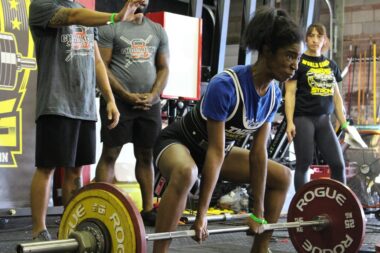
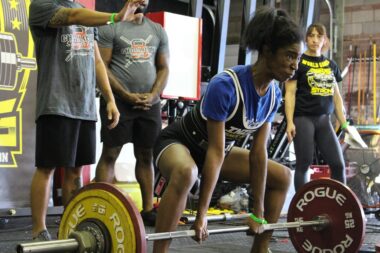
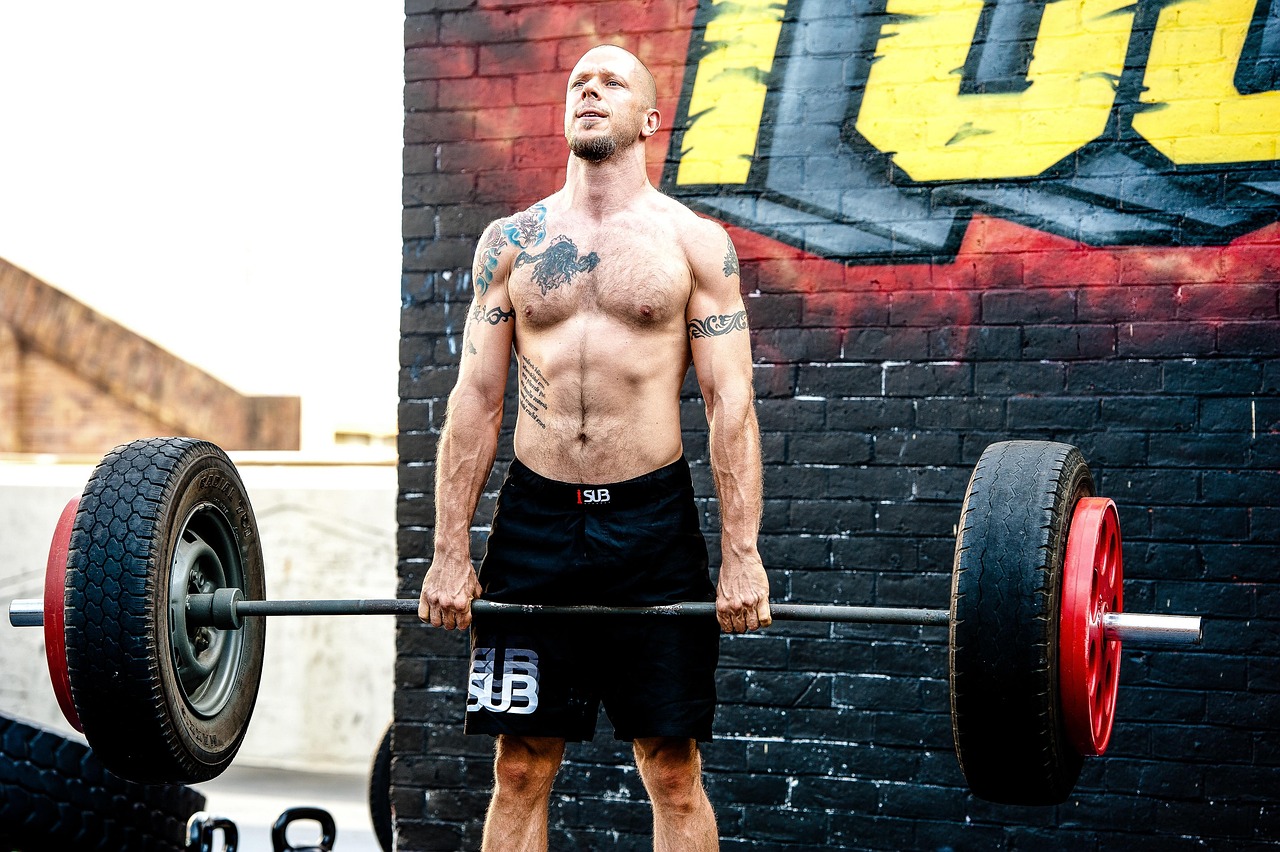
The conventional deadlift is one of the most recognized forms of this lift, laying the foundation for other variations. In this version, the lifter stands feet shoulder-width apart, grasping the barbell with an overhand grip. This technique engages the entire posterior chain, significantly building the back, glutes, and hamstrings. As a primary movement in powerlifting, it develops strength levels that transfer well to competition settings. Furthermore, mastering the conventional deadlift enables lifters to work on their form and technique efficiently, allowing for progressive overload in a controlled manner. Increased strength gained from this lift correlates directly to improvements in other big lifts. Lifters should prioritize this deadlift style initially to build a strong foundation before moving to advanced variations. However, joint health is critical, so proper form is vital to avoid injuries. Ensuring ankle and knee mobility, alongside maintaining a neutral spine position, will maximize safety and effectiveness. Access to expert coaching or online instructional materials can assist lifters in refining their technique. Proper practice is essential in achieving desired gains while minimizing injury risks associated with improper form and practice.
Another incredibly effective variation is the sumo deadlift, which involves a wider stance and a grip inside the knees. This changes how the lift engages the body, placing less emphasis on the hamstrings and more on the quadriceps, hips, and lower back, thus diversifying the training stimulus for powerlifters. Using the sumo position allows lifters to lift heavier weights in some cases due to shorter bar path dynamics. Sumo deadlifts are excellent for improving hip mobility and flexibility, making them a valuable addition for athletes seeking to enhance their versatility and performance. Additionally, some lifters find this variation easier on the lower back due to the more upright torso position during lifting. This can be especially beneficial for those with existing back issues or limitations. It’s crucial to focus on proper form to prevent injury, including maintaining proper knee alignment and engaging the core throughout the lift. Regular practice with this variation can yield impressive improvements in strength and technique. As with all deadlift styles, incorporating sumo deadlifts into an overall training plan should emphasize progressive overload, ensuring continued development for powerlifters aiming for excellence.
Romanian Deadlift Benefits
The Romanian deadlift (RDL) offers a different focus, emphasizing the hamstrings, glutes, and lower back while developing posterior strength. Unlike conventional deadlifts, RDLs involve lowering the barbell only to knee level while keeping a slight bend in the knees. This variation is highly effective for enhancing muscle hypertrophy in the posterior chain, primarily targeting hamstrings, which are critical for overall strength. Introducing RDLs into your routine can aid in improving the conventional deadlift by enhancing strength at the locking phase of the lift. The controlled tempo and lower weight typically used during this lift allow for focused muscle engagement, fostering better mind-muscle connection. Furthermore, due to its emphasis on hip hinge mechanics, RDLs develop crucial movement patterns that translate well to other lifts. Implementing this variation can lead to enhanced performance in squats and conventional deadlifts over time. Individuals should practice RDLs with proper technique, mindful of their spine position and hip positioning throughout the entire range of motion. Regular practice strengthens positional awareness beneficial across different lifts, aiding powerlifters in achieving their performance goals effectively.
Deficit deadlifts represent another valuable variation, focusing on explosive strength at the start of the lift. This exercise involves standing on an elevated surface, increasing the distance the bar must travel, effectively emphasizing the initial pull phase. The increased range of motion directly benefits lifters by enhancing their drive off the floor and improving overall strength in conventional deadlifts. This heightened emphasis on the initial phase of the lift engages the entire posterior chain more intensely. By incorporating deficit deadlifts into a training program, lifters can develop explosive power and improve speed, benefiting competitive settings. Practicing these variations can also promote better body mechanics, helping lifters improve their form across different deadlift styles. Safety considerations should be in place, such as ensuring proper strength and stability at structured heights before implementing deficit deadlifts. It’s essential to train at an appropriate deficit height and not exceed individual mobility limits. Adjusting the height can help achieve balanced progress while minimizing injury risks. When introducing deficit deadlifts into your training, focus on controlled movements and a stable posture to reap maximum benefits.
Snatch-Grip Deadlift Power Enhancement
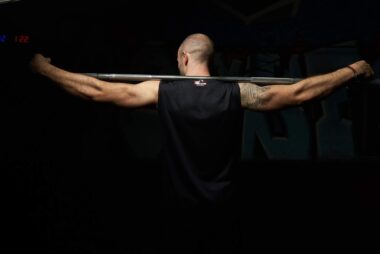
Increasing grip strength plays a crucial role in deadlift performance, and one effective variation to achieve this is the snatch-grip deadlift. This variation encourages a wider grip on the barbell, which can enhance overall upper body strength while reinforcing proper lifting mechanics. The snatch grip positioning activates the lats and shoulders differently than conventional deadlifts. Using a more challenging grip requires increased engagement of the core and stabilizing muscles, effectively enhancing overall strength. Incorporating snatch-grip deadlifts can lead to improved performance not only in the deadlift but also in Olympic lifts like the snatch. Focus on maintaining proper alignment and control while performing this variation, as the wider grip can compromise shoulder integrity if done incorrectly. Lifters should gradually incorporate heavier weights, ensuring safety through proper form and joint care. Initially practicing with lighter weights or even just the bar can encourage strength development while solidifying form. Snatch-grip deadlifts can be a powerful tool for powerlifters investing in grip strength and overall lifting capabilities. This variation also allows for diverse training methods that engage various muscle groups effectively.
Finally, the single-leg deadlift is an excellent variation for improving balance, stability, and muscle coordination. This exercise can help correct muscular imbalances that often affect overall strength and performance. With one leg planted firmly on the ground, the lifter lowers the barbell toward the floor while hinging from the hip, keeping the other leg extended behind them. This movement activates the core significantly as it requires additional stability and control during execution, making the lifter highly aware of their body position in space. Single-leg deadlifts also engage the gluteus medius, a crucial muscle for stability, which often gets neglected in common training. Including these in a powerlifting regimen builds functional strength and enhances performance across all major lifts. Angling focus training into specific body part engagement fosters better results. Regularly incorporating single-leg deadlifts into training sessions promotes better muscular coordination. Maintaining proper posture and alignment is essential throughout this variation to maximize benefits and minimize injury risk. Lifters should focus on gradual weight increases to adapt and strengthen progressively while practicing core control until achieving optimal performance benefits.
Incorporating a variety of deadlift styles into powerlifting training routines allows for overall athletic improvement. Lifters should assess their specific weaknesses and adapt their training accordingly, using these variations to target different muscle groups and enhance overall performance. Learning and integrating these essential deadlift variations will noticeably enhance a lifter’s effectiveness and strength. Consulting with experienced trainers and reliable resources is essential to ensure proper form and effective technique to maximize benefits while minimizing risks. Commitment to practicing these variations over time will enhance strength levels, transition abilities in competition scenarios, and significantly improve overall training dynamics. Practicing efficient form and advancing systematically will decrease the chances of injury while maximizing performance outcomes. Strengthening the mind-muscle connection through regular practice will also lead to more efficient and effective workouts. As athletes develop their programming, they must remain objective, collecting feedback and assessing their performances throughout the process. Continuous engagement with various deadlift variations will yield significant improvements in powerlifters’ overall training outcomes. The benefits of employing these methods easily outweigh the initial challenges. Therefore, embracing the diversity of deadlift techniques will lead to tremendous progress.