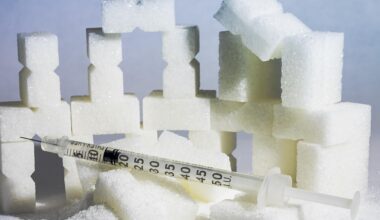

Carbohydrates and Protein: The Power Duo After Exercise
Post-workout nutrition is crucial for recovery, particularly the balance of carbohydrates and protein. After exercise, the body needs to replenish glycogen stores and repair muscle tissue. Consuming the right macronutrients facilitates these processes, speeding up recovery and enhancing overall performance. Carbohydrates play a vital role as they are the primary fuel source for athletes. When exercised, glycogen is depleted, making carbohydrate intake essential. Aim to consume complex carbohydrates to ensure a steady release of energy over time. In addition, protein contributes to muscle repair and growth, preventing muscle soreness. A combination of both is recommended to optimize recovery. The synergy between carbohydrates and protein enhances glycogen storage and stimulates muscle protein synthesis. It is advised to consume a meal or snack containing both these macronutrients within 30 minutes to two hours post-exercise. This ensures that the muscles can recover effectively. For those serious about fitness, balancing macronutrients is important not only for performance but also for overall health and well-being. Listening to your body’s signals and understanding its needs can significantly improve recovery times and lasting results.
To achieve optimal recovery after workouts, it’s essential to consider macronutrient ratios. This involves understanding how much carbohydrates and protein you need based on various factors such as intensity, duration, and type of exercise. A common recommendation is a 3:1 ratio of carbohydrates to protein for post-workout meals. This ratio helps ensure that glycogen stores are replenished while supporting muscle repair and growth effectively. For instance, if you consume 30 grams of protein, aim for around 90 grams of carbohydrates. It’s important to achieve this professionally, as too much or too little can affect recovery outcomes. Whole grains, fruits, and vegetables serve as excellent carbohydrate sources. Pair these with lean protein like chicken, fish, or plant-based alternatives like lentils or quinoa for effective meal composition. Additionally, incorporating healthy fats can further enhance meal effectiveness, adding vital nutrients. However, the focus should remain on the carbohydrate-protein duo to ensure that your body has all the necessary components for rapid recovery. Following specific dietary guidelines can help individuals optimize the recovery process and reach their fitness goals faster than ever.
Types of Carbohydrates
Understanding the types of carbohydrates is crucial for effective post-workout nutrition. Not all carbohydrates are created equal; they can be categorized into simple and complex carbohydrates. Simple carbohydrates, such as sugars found in fruits and white bread, provide quick energy but may lead to rapid spikes and drops in blood sugar levels. In contrast, complex carbohydrates, such as whole grains, legumes, and vegetables, offer sustained energy. This makes complex carbohydrates preferable post-exercise. Their gradual digestion rate means they can replenish glycogen stores more effectively without causing insulin spikes. This gradual release of energy can be particularly beneficial for serious athletes or bodybuilders looking to enhance performance over time. When planning post-workout meals, prioritize complex carbohydrates combined with some simple carbs for quick absorption. Bananas or a smoothie with spinach and oats can serve as excellent post-workout snacks. By being mindful of carbohydrate types, you can maximize glycogen replenishment and facilitate faster recovery. Using carbohydrate-rich foods strategically will set the stage for improved performance and supports long-term athletic goals.
Protein serves as the cornerstone of muscle repair in post-exercise nutrition. After rigorous workouts, muscle fibers undergo stress and minor tears. This is where protein steps in, aiding in the repair process and stimulating muscle growth. Consuming the right type of protein is essential. High-quality sources such as whey, casein, and plant-based options like pea protein should take precedence for quicker absorption and better results. It is beneficial to spread protein intake throughout the day, but immediately after exercise is a strategic time for consumption. Aim for at least 20 to 30 grams of protein post-workout to maximize muscle rebuilding efficiently. Pairing this with the earlier discussed carbohydrate ratio will optimize absorption. Protein shakes are common options, but whole foods can be just as effective. Dishes combining chicken and quinoa or Greek yogurt with fruits provide excellent options. The combination of proteins can help create a diverse amino acid profile, encouraging maximal recovery. Planning post-workout meals should focus on incorporating high-quality protein sources to facilitate muscle repair and achieve fitness goals efficiently.
Hydration and Its Impact
Hydration is another vital component of post-workout nutrition that should not be overlooked. Exercise induces sweating, leading to water and electrolyte loss that can affect recovery and performance. Ensuring proper hydration not only aids in the recovery process but also enhances the effectiveness of the macronutrients consumed. Dehydration can prevent optimal nutrient transport throughout the body, hampers muscle function, and can lead to prolonged fatigue. Drinking water or electrolyte-rich beverages should be part of your post-workout routine, aimed at restoring lost fluids. Ideally, consume around 500 – 750 ml of fluids immediately after exercising to replace what was lost during workouts. Creating a habit of hydration before, during, and after exercise will also support overall health. Consider using beverages with carbohydrates and protein, such as recovery drinks or smoothies, to optimize nutrition further. This can enhance both rehydration and nutrient absorption. Maintain awareness of your body’s hydration levels, as they can directly impact recovery times and performances in subsequent workouts. Ultimately, understanding the key components of hydration will ensure that recovery is effective.
Supplementation can play a role in enhancing post-workout nutrition, particularly for those who struggle to meet their macronutrient needs through food alone. While whole foods should always be prioritized, supplements such as protein powders can provide a convenient alternative to help achieve the desired macronutrient balance. Choose high-quality protein supplements to ensure maximum benefits and minimal fillers. These are particularly useful for individuals with busy schedules or those who require quick recovery after workouts. Additionally, incorporating a source of carbohydrates in a post-workout shake can further enhance its effectiveness. Many commercially available recovery drinks contain a blend of proteins and carbohydrates for immediate post-exercise consumption. However, it’s essential to be cautious and not substitute whole foods entirely with supplements to avoid nutrient deficiencies. Supplements should complement a balanced diet and dietary goals rather than replace them. Engaging with nutrition professionals can help design optimized supplementation strategies based on workout intensity and individual needs. Careful planning goes a long way toward reaching fitness goals and achieving lasting benefits.
Practical Post-Workout Meal Ideas
Creating practical meal ideas for post-workout nutrition can simplify the recovery process significantly. The goal is to craft meals that balance carbohydrates and protein while being convenient to prepare. Many individuals find that smoothies are excellent options due to their versatility and ease of preparation. Combine fruits, spinach, protein powder, and even nut butter for a nutritious drink. Overnight oats can also offer a well-balanced meal. Mix rolled oats with yogurt or milk along with fruits and nuts for added flavor. Another great option is a turkey sandwich on whole-grain bread, which provides a good balance of macronutrients. If you’re in a hurry, energy balls made from oats, honey, nuts, and chocolate are portable snacks rich in both carbs and protein. Preparing meals ahead of time ensures that there are healthy provisions available post-exercise. Experimenting with these meals can help discover what works best for individual needs, enhancing recovery. Additionally, staying motivated to adhere to these practices will empower athletes to maintain focus on their fitness journey.
In conclusion, balancing macronutrients post-workout is essential for optimal recovery and performance improvement. Understanding the importance of carbohydrates and proteins and their synergy will help individuals maximize recovery strategies. Each body is unique, and the key to success involves focusing on adjusting macronutrient ratios according to personal needs and training intensity. Experimenting with different types of carbohydrates and proteins will ensure a varied nutrient intake, allowing for muscle growth and improved energy levels. Staying hydrated and considering supplementation where necessary will further facilitate recovery. Lastly, make meal preparation simple and accessible to adhere to nutritional goals effectively. Getting in the habit of following these guidelines can lead to long-term fitness success while maximizing workout benefits. Establishing a routine that includes balanced post-workout nutrition ensures the body has what it needs to thrive. Ultimately, the right blend of carbohydrates and protein will empower your recovery, elevate performance, and lay the foundation for future workouts. Remember, every detail counts when it comes to post-exercise recovery, bolstering the path toward achieving fitness goals effectively.