
Building Strength and Flexibility Through Karate Workouts
Karate is a martial art that not only teaches self-defense techniques but also improves overall strength and flexibility. Engaging in regular karate workouts has significant benefits for both physical and mental health. The training regimen can vary widely, from practicing katas to sparring with partners. Each aspect works to enhance muscle tone, increase flexibility, and develop coordination. Additionally, the disciplined nature of Karate instills a sense of focus and perseverance, qualities that transcend the dojo into daily life. Wide ranges of techniques are employed, including punches, kicks, and defensive moves that engage multiple muscle groups. By committing to a structured program, practitioners cultivate endurance while fostering a strong core, which is fundamental to executing powerful strikes. Flexibility is another focal point as dynamic stretching and techniques are integrated. Moreover, Karate isn’t just physical; it promotes mindfulness. Each movement demands intent, rhythm, and balance, fostering mental clarity. When combined thoughtfully, these components contribute significantly to bodily strength and flexibility. Practicing Karate consistently provides a solid foundation for improving one’s physical capabilities while building character and discipline as well.
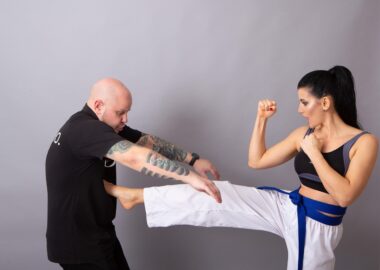
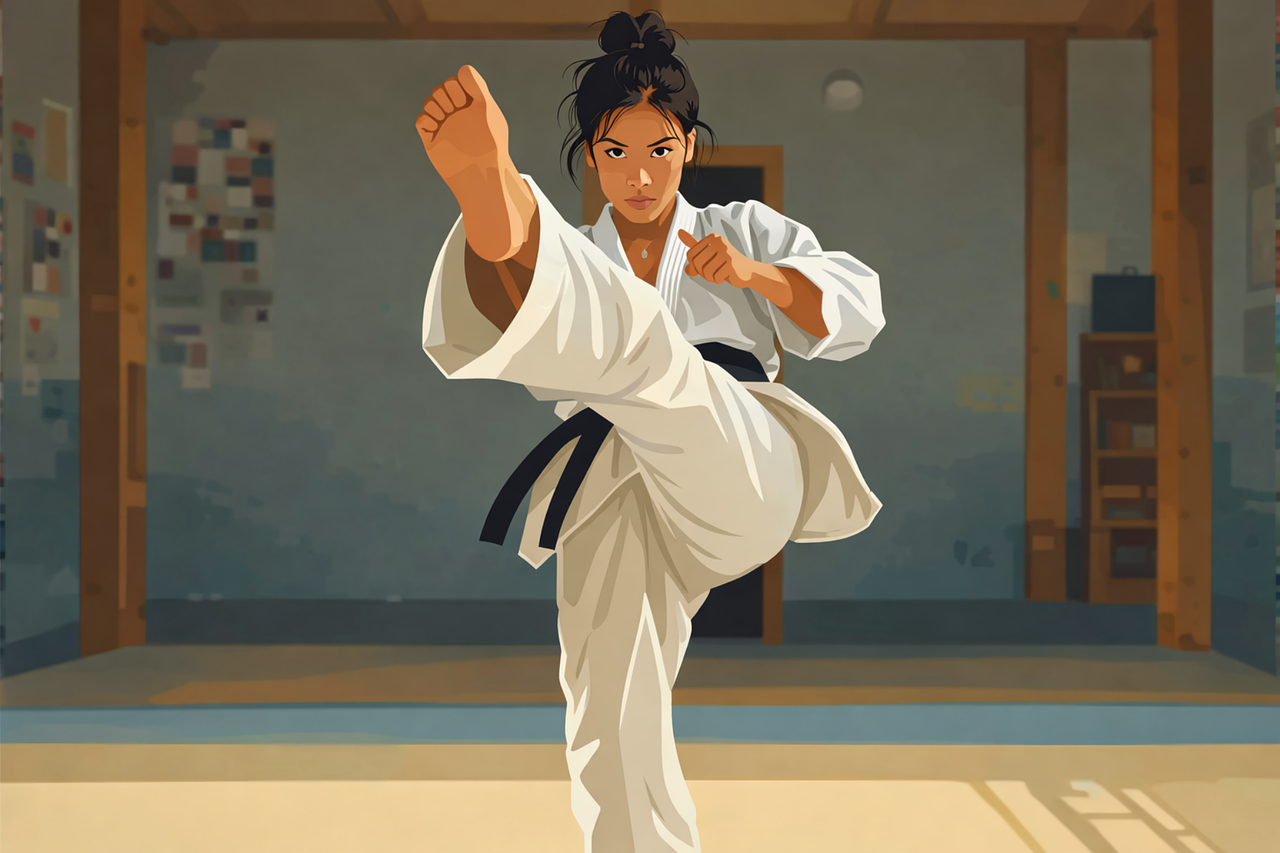
In Karate, flexibility is pivotal for executing movements effectively. Many techniques, including high kicks and deep stances, require a significant range of motion. Dedicated stretching routines prior to sessions can dramatically improve one’s flexibility over time. It’s crucial to incorporate dynamic stretches as part of your warm-up, targeting major muscle groups such as legs, hips, and back. After workouts, static stretching helps maintain and further improve flexibility, aiding in recovery and reducing injury risk. Moreover, Yokozuna, the Japanese term for flexibility, signifies the ability to perform high-level techniques gracefully and effectively. Training in different stances forces the body to adapt through extensive practice, leading to increased limberness. Many karate practitioners practice this by focusing on specific areas of concern, identifying tight or stiff muscles. The benefits extend beyond just martial arts, enhancing overall athletic performance in various sports. Techniques learned from Karate can empower other physical activities, correlating strength with enhanced flexibility. Therefore, committing to a stretching regimen alongside karate workouts can lead to remarkable comprehensive fitness. This not only helps performers execute techniques more gracefully but also contributes to long-term joint health and injury prevention.
The Importance of Strength in Karate
Strength is fundamental in karate training, enabling practitioners to deliver powerful strikes and maintain balance during challenging maneuvers. The combination of body weight training, resistance exercises, and technique drills cultivates functional strength vital for effective engagement. Karate not only develops upper body strength through punches and blocks but also builds lower body muscles essential for kicks and footwork. These movements require the practitioner to engage their core, which enhances stability and control. Popular strength exercises include push-ups, squats, and lunges that mimic karate movements. While performing these exercises, karateka adopt specific postures that further develop their muscular endurance. Additionally, resistance training augments muscle growth, facilitating explosive movements during fights and competitions. Moreover, practicing self-defense techniques reinforces strength in real-world scenarios, preparing individuals for various situations. The confidence that stems from knowing one’s physical prowess can be transformative. Beyond physical attributes, strength training contributes to self-esteem, and allows individuals to set and achieve personal fitness goals. It serves to maintain motivation throughout the journey. Therefore, strength complements flexibility, creating a well-rounded martial artist capable of facing various challenges and pushing limits.
Combining strength and flexibility training leads to a more effective karate practice. Many students and practitioners often focus on one aspect over the other, risking a lack of overall ability. Power without flexibility can limit the effectiveness of techniques, while excessive flexibility without strength can lead to vulnerabilities. This balance is crucial for any martial artist seeking to excel. Integrating both elements into a regular workout routine can improve performance dramatically. For instance, after a cardio workout, engaging in customized stretching routines can yield better results. Additionally, through the use of drills, practitioners can develop increasing strength within their specific ranges of motion. Progressing in karate involves mastering core techniques that rely heavily on a balance of strength and flexibility. Reflecting on one’s performance regularly aids in identifying areas for improvement. Additionally, attending classes focusing on both aspects can enhance skills and promote overall health. Mentors and instructors play a vital role in framing personalized approaches, ensuring balanced development. With time and dedication, karate students can become more adept and confident, fostering an empowering environment for learning and mastery.
The Role of Balance in Training
Karate requires a keen sense of balance, which is progressively developed alongside strength and flexibility. Proper balance enhances every movement, whether executing a front kick or performing a quick turn. It determines how effectively one can transition between stances during practice or combat scenarios. Various exercises and drills are designed to enhance balance, such as single-leg stands, footwork drills, and core-engaging movements. These preserve physical stability, allowing for precise execution of techniques. Balance training also affects flexibility; as balance improves, the body adapts, enabling a wider range of motion during dynamic movements and kicks. This adaptation enhances both defensive and offensive strategies within karate, providing a tactical advantage. The innate nature of Karate encourages the continuous practice of balance: whether it’s through kata or free fighting. Many practitioners have also employed yoga and tai chi to complement their Karate training, focusing on breathing and centering techniques that translate effectively. Through maintaining balance, karate students can execute their techniques with greater agility and efficiency, creating a more dynamic training experience. With consistent effort, stronger balance correlates directly with improved performance and reduced impact on the body.
Nutrition plays an essential role in supporting the physical demands of karate training. A well-balanced diet maximizes energy levels needed for strength and flexibility workouts. Karate practitioners must consider nutrient-rich foods that support muscle recovery and enhance performance. Protein is crucial for muscle repair and growth, while carbohydrates provide sustained energy for rigorous training sessions. Healthy fats also play an essential role in overall health, supporting brain function and hormone regulation. Hydration cannot be overlooked either; staying properly hydrated contributes to optimal performance, enhances endurance during workouts, and aids recovery post-exercise. Poor nutrition can hinder progress, making the combination of dietary choices and karate practice crucial. Ensuring meals are high in vitamins and minerals bolsters immune function, minimizing the risk of illness. Students should strive to maintain a balanced meal plan, focusing on whole foods over processed options. These dedicated dietary practices can lead to improvements in endurance and flexibility over time. Furthermore, meal prep can assist in ensuring adherence to nutritional goals. By recognizing how optimal nutrition enhances karate performance, practitioners can fuel their dedication and commitment to their craft while promoting overall wellness.
Conclusion and Long-Term Benefits
Committing to karate workouts fosters lasting benefits that extend beyond physical fitness. Regular participation cultivates both strength and flexibility, enhancing martial abilities while promoting overall health. Furthermore, the discipline inherent in karate practice translates into enhanced focus and emotional resilience, equipping students to face life’s challenges. Growth occurs not only in physicality but also in character development through perseverance. Sustained engagement in karate leads to a greater appreciation for cultural history and philosophies that underlie martial arts. Whether training for self-defense, fitness, or personal goals, every karateka can discover profound transformations across multiple life aspects. Traditional Karate principles emphasize respect, humility, and dedication, enriching the practitioner’s journey. As students progress through various belt ranks, they continually refine their skills and acknowledge their achievements. The benefits repeatedly surface in everyday life, improving balance, focus, and awareness beyond the dojo. This journey fosters camaraderie among peers, creating friendships that often last a lifetime. As the body strengthens and flexibility increases through the commitment to karate, personal growth aligns seamlessly with the physical transformation. Ultimately, karate provides a unique approach to personal and communal development, imparting invaluable life skills long after traditional training concludes.