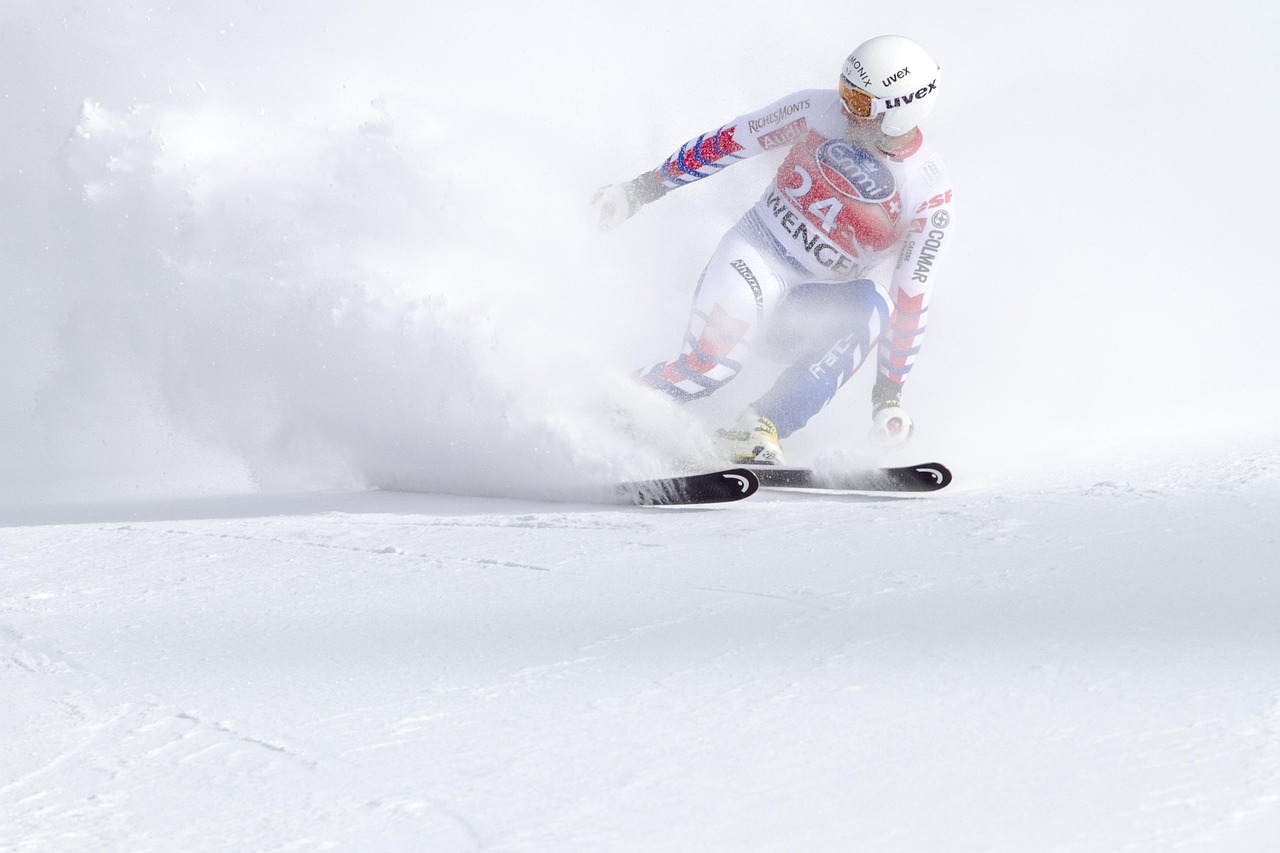

Analyzing Movement Patterns for Improved Sports Performance
In the field of sports biomechanics, analyzing movement patterns plays a crucial role in enhancing sports performance. Athletes constantly strive to improve their techniques and efficiency, which can significantly impact their success in competitions. By employing biomechanics, professionals can study the various movements athletes make during different sports. This involves understanding how forces, such as gravity and friction, interact with an athlete’s body during performance. Methods like motion capture and force plates provide valuable data on joint angles, velocities, and accelerations which help in identifying inefficiencies in movement. By breaking down these patterns, coaches can tailor training regimens to suit an athlete’s specific needs. Furthermore, corrective strategies can be implemented to reduce the risk of injury caused by improper movements. Additionally, the right analysis allows athletes to predict their future performance capabilities more accurately. Integrating this approach not only boosts an athlete’s physical ability but also fosters their mental preparation by building their confidence. Overall, understanding these movement patterns is essential for optimizing athletic performance results and achieving peak condition in competitive sports.
To fully realize the benefits of analyzing movement patterns in sports biomechanics, it is essential to recognize the tools and technologies available. Devices like motion sensors, video analysis software, and specialized apps are increasingly being used for real-time feedback. Utilizing such technology enables coaches and athletes to observe their techniques during training sessions and competitions comprehensively. This goes beyond subjective assessments and allows for objective data evaluation. For example, kinematic analysis can reveal aspects like stride length and frequency in running. Furthermore, important variables such as force production and power output can be measured through force platforms embedded in training environments. These tools not only aid in diagnosing current performance levels but also chart developmental progress over time. Athletes can then set targeted goals based on quantifiable metrics, which promotes continual improvement. Additionally, integrating wearable technology fosters a culture of self-evaluation among athletes. This empowers individuals to take ownership of their training routines, leading to greater engagement. Ultimately, being equipped with the right analysis tools transforms the training experience, allowing athletes to push beyond their limits.
The Role of Feedback Loops
The establishment of robust feedback loops is a vital aspect of analyzing movement patterns in sports performance. Immediate feedback allows athletes to adjust their movements in real time, which significantly speeds up learning curves. This principle is particularly relevant during practice sessions, where athletes can incorporate adjustments on-the-fly based on data received from coaches or technology. A well-designed feedback loop should be structured to include performance insights about movement efficiency, strength, and mental focus. For instance, if an athlete receives data indicating improper foot positioning during a sprint, they can make immediate adjustments to improve their technique. Over time, consistent feedback reinforces correct habits, ultimately leading to performance enhancement. Furthermore, understanding the psychological component is essential; athletes who believe in their ability to improve are more likely to embrace constructive criticism. Coaches should ensure that feedback is specific, timely, and constructive to foster a growth mindset. Over-reliance on technology for feedback should be discouraged in favor of balanced approaches, integrating tactile and visual cues. A holistic feedback approach enhances athletes’ ability to internalize and perfect movement patterns, contributing to overall performance.
Another crucial factor when analyzing movement patterns for sports performance is the application of individualization in training programs. Each athlete possesses unique physical and biomechanical characteristics that can influence how they should train. Tailoring training regimens based on individual assessments allows for the optimization of performance, accommodating specific strengths and weaknesses. For instance, a high jumper might require a distinct focus on explosive strength compared to a middle-distance runner. Programs driven by personalized biomechanical assessments can lead to improved outcomes by targeting the right muscle groups and energy systems effectively. Coaches and trainers must analyze comprehensive data that includes not only biomechanical metrics but also body composition, training history, and injury history. By creating a bespoke training plan, an athlete may experience maximized training retention and minimized injury risk. Ensuring that training adjustments correlate with an athlete’s developmental stage is another vital aspect of individualization. This enhances motivation and adherence to training, as athletes see tangible improvements in their performance. Individualized training approaches lead to a sustainable progression in an athlete’s skills over time.
Importance of Injury Prevention
Injury prevention is paramount in both amateur and professional sports, making the analysis of movement patterns even more crucial. Biomechanics can shed light on inefficient movement patterns that predispose athletes to injuries. Identifying these patterns early through rigorous analysis helps in implementing corrective strategies before injuries manifest. For instance, improper alignment in a runner’s gait can lead to stress fractures; correctional training can mitigate this risk. Coaches utilize various methods such as movement screenings and functional assessments to establish injury risk profiles of athletes. These screenings consider various factors, like flexibility and muscle imbalances, to guide injury prevention programs. Moreover, the use of video analysis can highlight repetitive movements that might lead to chronic injuries over time. Therefore, biomechanics not only aims to enhance performance but prioritize athletes’ health and well-being. Regular assessments and adaptive training programs are necessary for maintaining long-term athletic health. Consequently, fostering a culture centered around injury prevention leads to enhanced performance longevity. Athletes who are injury-free can train consistently and achieve their performance goals more effectively.
When applied correctly, the analysis of movement patterns in sports also enhances tactical decision-making during competitions. Athletes who understand their biomechanics are better equipped to strategize their performance. With the insights gained from ongoing analysis, athletes can predict the outcomes of various actions, making informed decisions under pressure. Coaches can analyze opponents using similar methods, allowing teams to devise strategies that capitalize on their opponents’ weaknesses. Additionally, real-time data during competitions, such as heart rates and stress levels, can inform athletes when to conserve energy or push their limits. As a result, athletes’ mental readiness improves as they have concrete data guiding their decisions. Coaches who focus on integrating biomechanical analysis into their tactical plans create a more resilient team dynamic. These insights strengthen the athlete-coach relationship, empowering athletes to articulate their needs and observations. Furthermore, viewing performance through a biomechanical lens enriches the understanding of sports science, enabling teams to stay ahead of emerging trends. By embracing movement pattern analysis, athletes develop a comprehensive skill set that enhances their competitive edge.
Future Directions in Sports Biomechanics
As technology continues to evolve, the future of sports biomechanics looks promising and exciting. Advances in artificial intelligence (AI) and machine learning are set to revolutionize how movement patterns are analyzed. These technologies can process vast amounts of data faster than traditional methods, uncovering trends and insights that might go unnoticed. Future systems capable of integrating real-time analytics with predictive modeling could offer dynamic approach adjustments during competitive events. Imagine a system that not only assesses an athlete’s current movement but forecasts potential fatigue or injury risks based on accumulated training data. Furthermore, the integration of virtual and augmented reality can offer athletes immersive experiences for training adjustments and corrections. This innovative approach can enhance understanding of technique while minimizing the risk of injury through controlled environments. Continued research into the biomechanics of various sports and activities will provide deeper insights into optimizing performance for different body types and disciplines. As the field advances, interdisciplinary collaboration will be essential, merging insights from sports science, medicine, and psychology. The potential to maximize sports performance through personalized biomechanics opens an exciting frontier in the athletic realm.
In conclusion, analyzing movement patterns in the realm of sports biomechanics is fundamental for improving athletic performance. Professionals in this field work diligently to ensure athletes train effectively while minimizing injury risks. From motion analysis tools to personalized training programs, the advances made in sciences related to biomechanics empower athletes to reach their fullest potential. By adopting efficient movement patterns, athletes not only enhance their individual performance but also elevate their teams and sports. Continuous feedback loops play a pivotal role in reinforcing correct techniques, making the learning process both dynamic and responsive. As individualized training becomes the norm, practitioners must remain vigilant in evaluating progress and adapting approaches based on the athlete’s needs. Embracing injury prevention strategies ensures athletes can maintain optimal performance without significant downtime. The application of data-driven decisions within tactical planning serves to create a competitive edge in the fast-paced world of sports. As the field continues to evolve alongside technology, the future of sports biomechanics promises exciting advancements and opportunities for athletes to push the boundaries of their performances.