
Adaptive Fitness Equipment for Aquatic Workouts
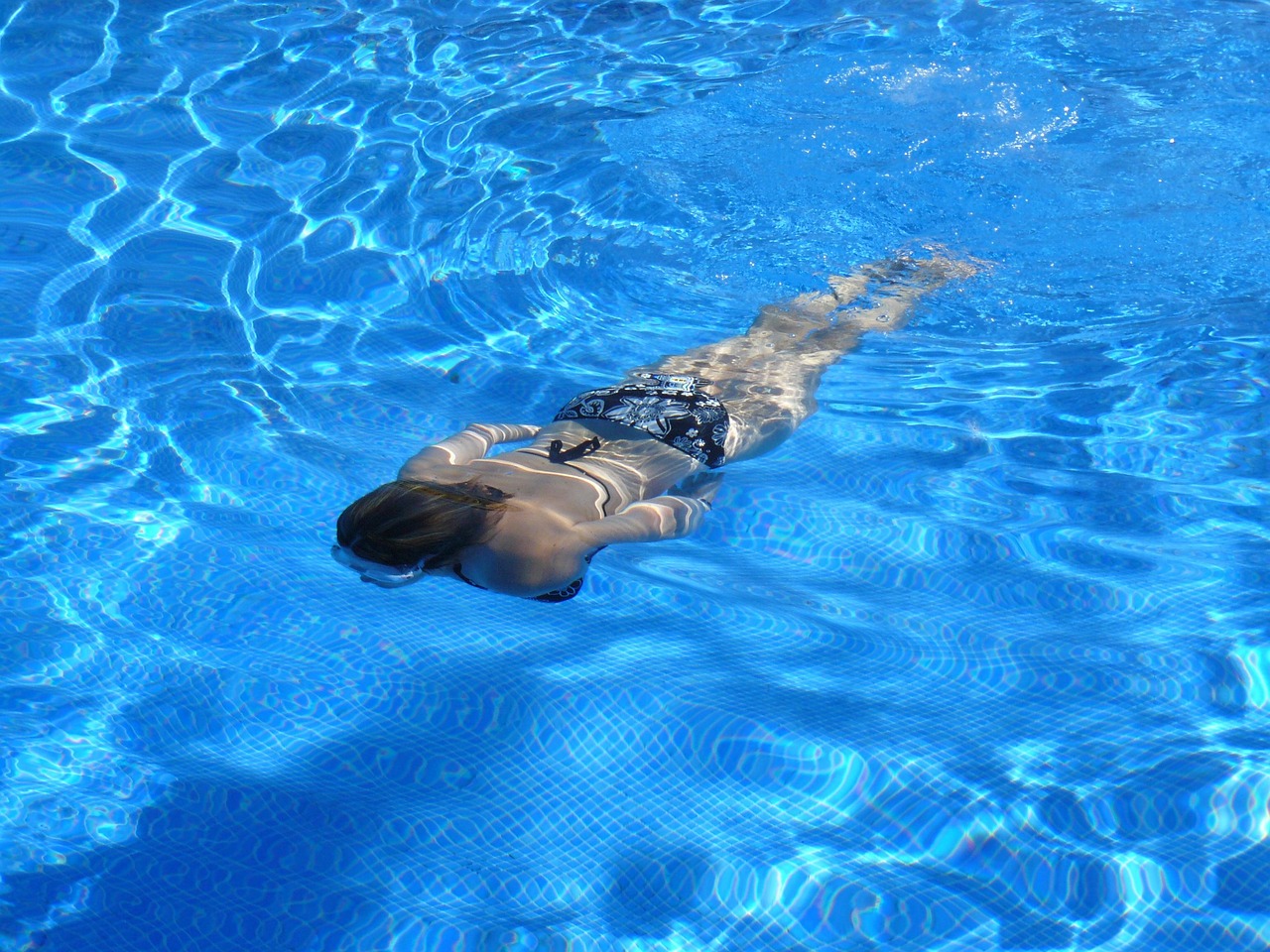
Aquatic workouts are increasingly popular among individuals with disabilities due to their low-impact nature, providing a safe and supportive environment for exercise. Adaptive fitness equipment tailored for aquatic environments enhances the exercise experience and promotes inclusivity. Various devices are available that allow people with disabilities to engage in aquatic exercise without the barriers often found in ground-based workouts. These tools can range from flotation devices to resistance equipment, making them useful for various fitness levels. For those seeking a fulfilling workout, resistance bands designed for water use are excellent. They increase intensity and allow for resistance training in a less stressful way. Furthermore, specialized aqua jogging belts can support buoyancy, which is vital for those with limited mobility. Adaptive pools feature ramps and adapted changing areas, ensuring all users can access the facilities comfortably. Utilizing aquatic equipment promotes cardiovascular health, increases flexibility, and enhances strength. Additionally, engaging in workouts within a social setting can improve mental well-being and encourage positive interactions among participants. Adaptive aquatic workouts can lead to increased confidence and independence, positively impacting participants’ overall quality of life.
Another noteworthy aspect of adaptive aquatics encompasses equipment specifically designed for upper body workouts. These devices include hand paddles and therapy balls that promote strength and flexibility while minimizing strain. By utilizing these adaptive tools, individuals with disabilities can fully participate in water workouts, enhancing both their physical fitness and mental well-being. Additionally, buoyancy aids are essential for safety, allowing users to float and exercise without fear of submersion. This increased confidence helps individuals push their limits during exercise sessions. Additionally, incorporating tools that target all body areas ensures a well-rounded aquatic experience. Engaging the upper and lower body simultaneously is possible with devices designed for resistance training. Exercises like aqua aerobics often use such equipment to boost heart rate and build endurance effectively. Importantly, proper education on how to use this equipment is crucial for maximizing benefits. Certified instructors can guide individuals in adapting routines to maximize their potential and get the most out of their aquatic workouts. Instructors encourage building social networks, enhancing enjoyment, and sharing goal achievements during these workouts, transforming exercise from a personal task into a communal experience.
Benefits of Aquatic Adaptive Fitness Equipment
Using adaptive fitness equipment specifically in aquatic settings offers unique benefits, especially for those with disabilities. Due to the water’s buoyancy effect, pressure on joints and muscles significantly decreases, enabling smoother movement. This is particularly beneficial for individuals recovering from injury or those managing chronic pain. Increased circulation and muscle relaxation are often experienced as a result of aquatic exercises. Furthermore, the unique properties of water allow for greater variety in workouts, catering to both aerobic and strength-building routines. Resistance in water is proportional to effort exerted, meaning even regular movements become a form of strength training. This characteristic serves individuals well who might struggle with conventional gym equipment. It’s crucial for users to choose devices that align with their personal fitness goals. Whether improving mobility or enhancing cardiovascular fitness, using the right equipment can propel individuals toward their targets. Additionally, aquatic settings often promote social interaction and community support through exercise. Access to group aquatic sessions can foster friendships while providing motivation. As everyone works towards their fitness goals, the environment cultivated among participants encourages positivity and resilience, creating a robust community spirit.
Moreover, the mental health benefits associated with aquatic workouts should not be underestimated. Regular participation in exercise contributes to reduced anxiety, improved mood, and enhanced self-esteem. Adaptive fitness equipment fosters a sense of accomplishment when individuals reach their objectives. Every achievement, whether big or small, can positively impact self-perception and long-term well-being. Setting achievable goals encourages individuals to maintain consistency in their workouts. The feedback from peers during team sessions in the pool can also reinforce this motivation. Individuals often feel a sense of belonging when engaging in shared activities, reducing feelings of isolation prevalent among those with disabilities. Community programs featuring adaptive aquatic classes enhance accessibility and provide resources for learning proper techniques. Support from fellow participants and instructors creates an environment focused on progress, where everyone celebrates personal milestones. Joining a class can unwind stress and elevate confidence to try new activities. Consistent social interaction within these settings ensures participants feel valued. Ultimately, engaging in adaptive aquatic fitness helps not just physically but also emotionally, making it a comprehensive form of well-being that embraces and uplifts individuals with disabilities.
Types of Adaptive Aquatic Equipment
Various types of adaptive aquatic equipment cater to different needs. For instance, wheelchair-accessible pool lifts and ramps are critical for enabling entry into pools. These devices ensure individuals with mobility challenges can access aquatic facilities safely and independently. Additionally, adaptive flotation devices come in various forms, such as noodle-like bands or specialized flotation vests, providing buoyancy while enabling freedom of movement. These items are crucial for beginners and those with significant physical challenges. Resistance bands come next, allowing individuals to engage in strength training through controlled movements in the water. Meanwhile, aqua therapy balls can encourage a blend of fitness and play, making workouts enjoyable for all participants. Hand paddles and leg straps enhance resistance, encouraging strength development, regardless of fitness level. From adaptive kickboards to aqua bikes, an extensive array of options is available. Many of these tools are designed to suit different disabilities, ensuring accessibility. Collaboration with healthcare professionals ensures individuals find the perfect equipment tailored to their capabilities and fitness objectives. This personalized approach will result in more effective workouts that yield meaningful results.
In tandem with selecting suitable equipment, it is essential to recognize the importance of the right training and coaching in aquatic settings. Participants often benefit from instructors familiar with adaptive fitness, which enhances their overall experience. Certified trainers can teach aquatic exercise techniques that cater to participants’ individual needs, helping them maximize the benefits of their workouts. Additionally, creating tailored fitness plans can promote goal-setting and delivery of adjust feedback based on performance. Group classes led by knowledgeable instructors encourage camaraderie and motivation while fostering a sense of community in the pool. These group settings often empower participants to push each other gently. Positive social interactions can inspire individuals to stay committed to their fitness journey. Instructors can share adaptations and alternative movements to build confidence and competence in water workouts. Understanding personal limitations and strengths allows individuals to flourish in their aquatic workouts. Ultimately, the synergy between adaptive equipment, instruction, and support networks fosters an inclusive atmosphere for all participants. This collaboration provides the foundation for fostering an environment conducive to growth, allowing disabled individuals to thrive through aquatic exercise.
Conclusion: Embracing Adaptive Aquatic Equipment
In conclusion, the rapid development and availability of adaptive fitness equipment for aquatic workouts present unparalleled opportunities to enhance well-being for individuals with disabilities. Aquatic environments naturally promote inclusivity, enabling individuals to engage in fitness safely and effectively. By fostering social connections and providing accessible resources, adaptive aquatic programs are transforming lives. Importantly, embracing this equipment and creating supportive workout environments allows all individuals to participate in exercise, no matter their physical challenges. This leads to improved health outcomes, boosted self-esteem, and a more fulfilling life. It is crucial to continue funding and expanding programs that encourage adaptive fitness in aquatic settings. Health professionals, instructors, and communities must work together to ensure equitable access to resources. Collaboration with individuals with disabilities in developing equipment ensures their needs are met. Furthermore, raising awareness about adaptive aquatics will drive participation rates and encourage further innovations in equipment design. By prioritizing accessibility, we can break down barriers to traditional fitness. Join the movement towards inclusive fitness with aquatic equipment, making a positive difference in the lives of many and allowing everyone to enjoy the benefits of physical activity.”
Consistent participation opens doors to new friendships and challenges, creating lasting memories and newfound skills as you succeed. Adaptive aquatic fitness is more than exercise; it’s a pathway to independence and empowerment.