
A Step-by-Step Guide to Teaching Breathing Exercises to Kids
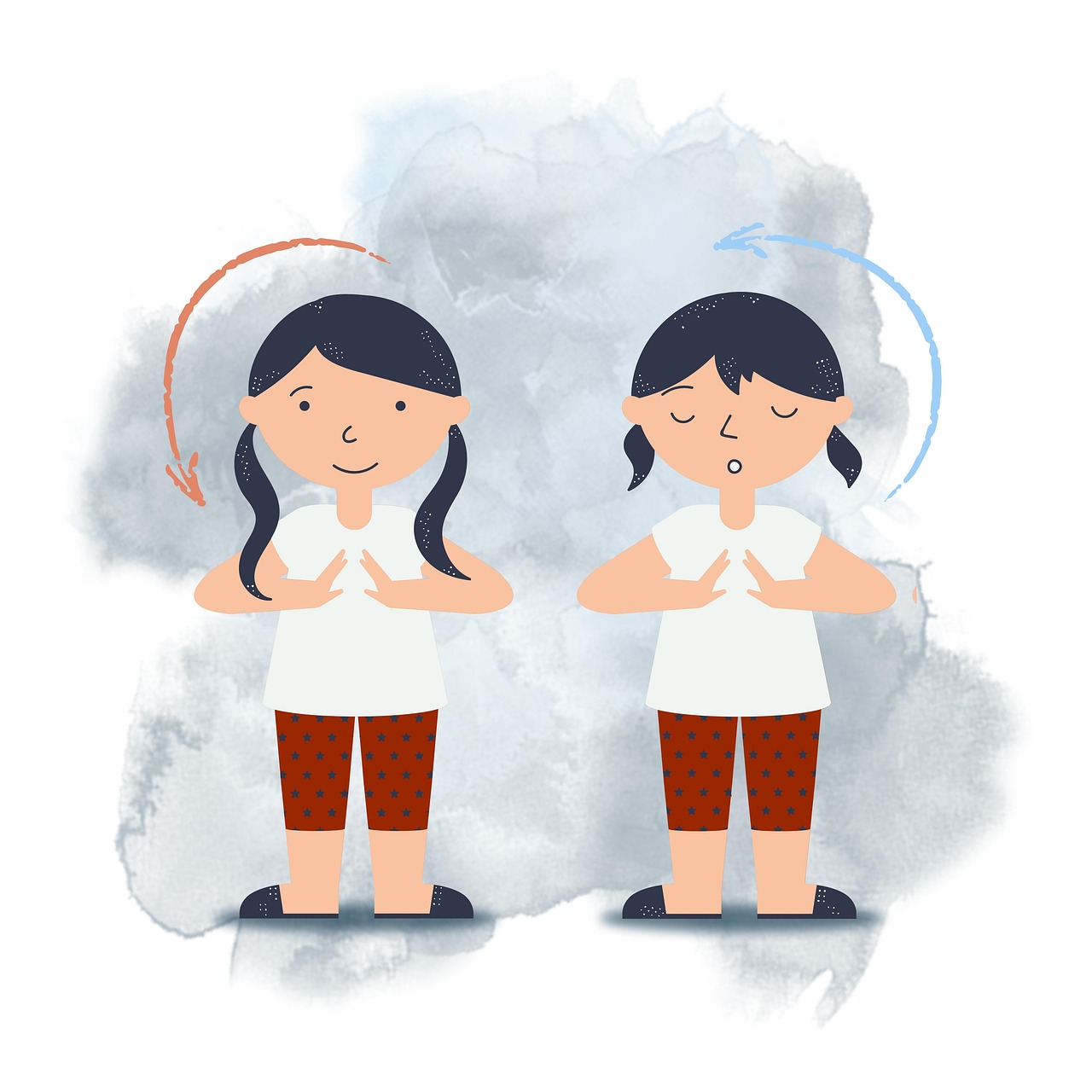
Teaching breathing exercises to children can be a delightful and beneficial activity. By introducing these techniques, you can help kids manage stress, develop focus, and even improve their overall mental health. To start, create a calm atmosphere. Choose a quiet spot away from distractions, ensuring that children feel relaxed and safe. Once the environment is set, explain the importance of breathing. Use simple language to describe how breathing well can help them feel better when they are upset or anxious. Once they understand, demonstrate a few techniques yourself, such as deep belly breathing or ‘5-7-8’ technique. Encourage them to mirror your actions as you breathe deeply, explaining the steps. Practice together for a few minutes, ensuring everyone is comfortable. Note their reactions to different techniques. Not all kids will respond equally to every breathing method, so remain patient and observant. You can even involve fun props like colorful chimes or musical breathing games. The key is to make the session enjoyable and engaging, integrating playfulness into the routine. Regular practice, even just a few minutes daily, can encourage a positive attitude towards breathing methods.
Once you’ve established a basic understanding of breathing exercises, consider adding a variety of techniques to keep children engaged. Introduce simple patterns like counting during inhales and exhales, making it interactive. Focus on methods that are easy to remember, like the “Bubble Breathing” technique. For this, kids can imagine inflating a balloon when they take a deep breath, holding it, then releasing slowly. Visualization is a powerful tool; it aids children in grasping concepts more readily. Create visual aids, perhaps drawings showing kids breathing in flowery scents and blowing away silly clouds. You can also integrate storytelling. Picture a little bird taking flight, gracefully soaring into the sky as they inhale deeply, connecting breathing with joyful imagery. Furthermore, encourage children to feel the difference in their body after practicing. Ask them to describe their feelings post-exercise, promoting communication about emotions. This reflection helps them understand their body-mind connection better. Finally, ensure parents are involved. They can support practice at home, reinforcing these techniques. Coordination with their guardians can enhance the child’s learning and provide consistent practice opportunities. It’s vital to foster an open, accepting atmosphere that welcomes every child’s unique experience.
Making Breathing Exercises Fun
To further enhance the experience of teaching breathing exercises, turning these lessons into playful activities can significantly boost engagement. Incorporate breath-based games that children find exciting and enjoyable. For instance, you can play a game called “Pinwheel Breathing,” where kids blow air through pinwheels. This activity not only demonstrates the principle of controlled breathing but also allows them to see the immediate outcome of their efforts. Use colorful and attractive pinwheels to captivate their attention. Alternatively, the “Feather Challenge” involves children moving feathers by blowing air. This exercise emphasizes focused, gentle breathing and can inspire a sense of competition. Children often thrive in playful situations, so consider blending movement and breathing through yoga poses tailored for kids. Positions like tree pose or butterfly pose harmonize well with deep breathing techniques, promoting both physical activity and mindfulness. Furthermore, connect breathing exercises with their favorite themes or characters; for example, if they love superheroes, frame the exercises around superhero strength through calm breathing. Encouraging group participation can also create a collective experience, making it more enjoyable and less intimidating for them. Create an inviting and inclusive environment, and creativity will flourish.
Monitoring children’s progress in learning breathing techniques is an essential aspect of their practice. Keep track by establishing a simple journal or chart that allows them to note their experiences. Each time they practice breathing, have them share their feelings either verbally or in writing. Such reflections can help children identify changes in their emotional states or stress levels. This feedback loop fosters self-awareness as they develop an understanding of how these exercises impact their lives. Consider creating a rewards system that celebrates their consistency and achievements. Small incentives, like stickers or points, can motivate them to participate regularly. Implementing a Buddy System can also enhance the sentiment of accountability and encouragement. Pair children with peers, allowing them to support each other during practices or even at home. This collaborative effort ensures experiences remain fun yet educational. Another way to monitor progress is through periodic family sessions. Inviting family members into the practice can ensure children feel supported and valued. Last but not least, remember to celebrate their journey. Acknowledge milestones, whether small or large, to instill a sense of accomplishment and confidence within them.
Integrating Breathing Exercises into Daily Life
Incorporating breathing exercises into a child’s everyday routine creates structure and familiarity. Start by identifying several calm moments during the day, personally or in your family schedule. These moments can be during morning routines, before bedtime stories, or even during transitions between different school activities. Children thrive on consistency, and mapping out specific times for practice can lead to better adaptation. Educate parents about these advantages and suggest setting aside a few minutes daily for practice. The duration does not need to be extensive; even a few focused minutes can yield significant outcomes. Encourage kids to use breathing techniques when they encounter signs of stress or anxiety. A prompt such as taking deep breaths before speaking in front of the class or during challenging moments helps embed these skills deeply into their lives. Moreover, using technology can amplify their engagement! There are numerous kid-friendly apps with guided breathing exercises and mindfulness practices, which may appeal to children. Kids often resonate with visual and audio elements, so leverage those when possible. Ultimately, the objective is integrating breathing as a valuable coping mechanism through various stages of their daily activities.
Always remember to be patient and flexible as children learn breathing exercises. Every child progresses at their own pace, and some may require more time to adapt to these techniques. Observe their non-verbal cues, as they may express discomfort or stress in different ways. If a specific technique does not resonate, feel free to pivot—exploring diverse methods keeps their interest alive. Additionally, help them identify triggers that may necessitate the use of these techniques. By using relatable scenarios, like dealing with anger, frustration, or nervousness, you can frame breathing exercises distinctively. Role-playing might also enhance their effectiveness; for example, use puppets to demonstrate the effects of stress versus calmness, emphasizing the relief from breathing exercises. As families begin to see their children engage thoughtfully with these methods, the overall understanding of these tools will grow, extending beyond casual practice to meaningful life skills. Encourage discussions about emotions and breathing regularly at home to reinforce their learning experience. Consequently, students and parents alike can develop a shared language to express these feelings and strategies more openly. This essential understanding nurtures emotional intelligence and resilience in their lives.
Conclusion: The Long-Term Benefits of Breathing Exercises
In conclusion, teaching breathing exercises to children fosters numerous long-term benefits for their physical and emotional well-being. Mastering these techniques helps kids develop essential coping skills as they grow, allowing them to face life’s challenges more gracefully. Encouraging kids to manage stress early on instills a sense of responsibility toward their well-being and fosters a lifetime of mindfulness. The positive relationships formed during practice also enhance emotional connections within families and peer groups when shared. As children grow, these breathing techniques will serve as tools in various circumstances: academic pressure, social anxiety, or personal struggles. Consequently, they will construct their resilience toolbox, drawing upon these methods whenever necessary. For parents and educators, continuous engagement with breath exercises means staying involved in their child’s emotional and psychological journeys. Alongside consistent practice, cultivating an atmosphere where kids can express their thoughts, emotions, and experiences fosters deeper growth. Foster an evolving understanding of their feelings over time contributes to improved emotional intelligence. With practice, patience, and dedication, breathing exercises can encourage kids to navigate their lives with confidence and resilience, promising a brighter emotional future ahead.
Consider documenting the outcomes of your initiatives as a tool for further enhancement. Gathering feedback from both kids and parents creates valuable insights into the viability and effectiveness of the techniques taught. Monitoring ongoing improvements also offers a chance to make adjustments based on their responses. You may intend to share successful experiences through community workshops or social platforms. Expressing the collective benefits of breathing exercises can influence more families to adopt these practices. Overall, nurturing breathing techniques into children’s lives seems immensely worthwhile, ultimately teaching invaluable life lessons about handling stress and regulating emotions.