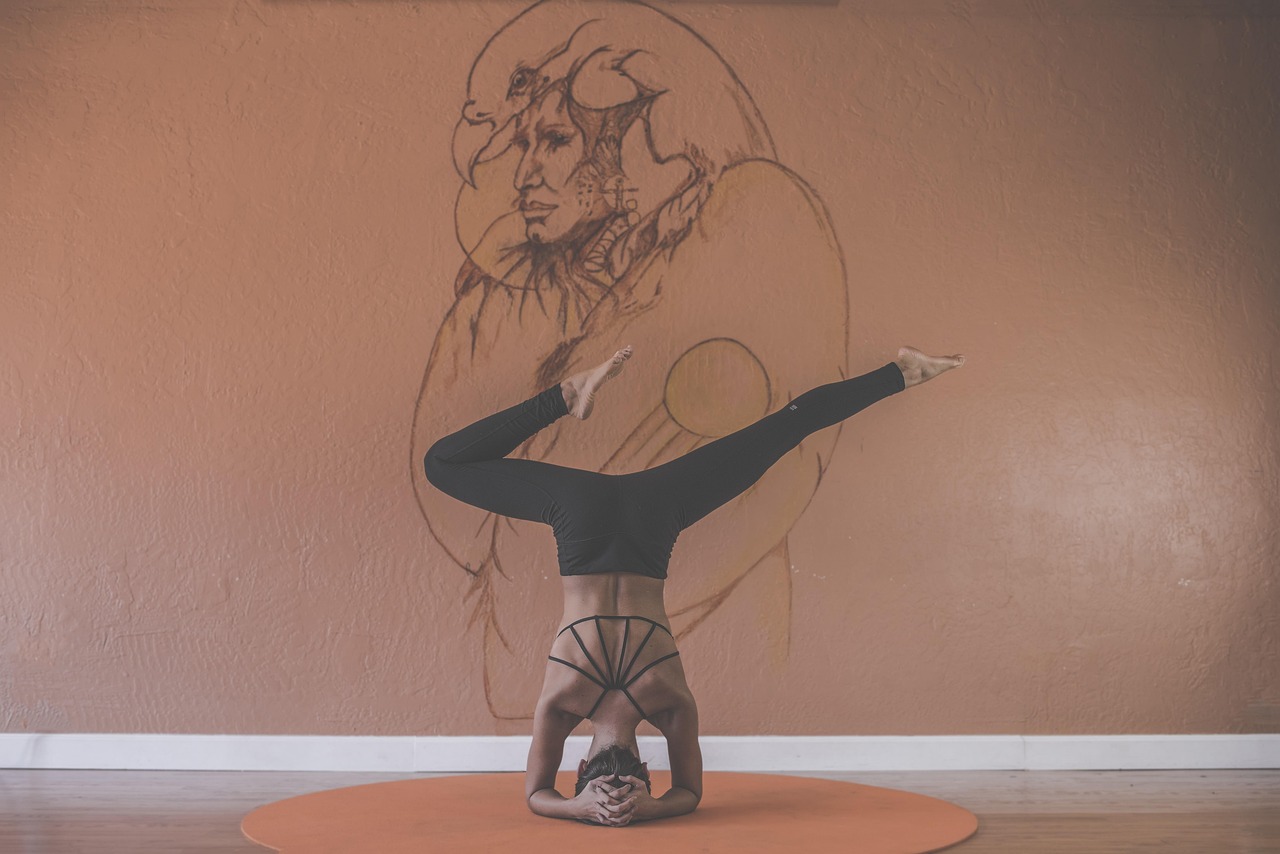

Yoga for Functional Fitness Recovery and Regeneration
Yoga is not just a form of exercise; it is a holistic practice that can significantly enhance functional fitness recovery and regeneration. Incorporating yoga into your fitness routine can improve flexibility, strength, and mental focus. As you engage in functional fitness activities, your body undergoes wear and tear. Yoga helps to mitigate this by promoting active recovery, which is essential for muscle repair and overall performance. Through various asanas, yoga encourages blood flow and circulation within the body, delivering oxygen and nutrients to fatigued muscles. This process accelerates recovery while reducing muscle soreness, allowing individuals to train harder and more frequently. Furthermore, yoga integrates breath control, which enhances oxygen intake and utilization during workouts, ultimately contributing to better fitness outcomes. One of the keys to effective recovery lies in body awareness and mindfulness, skills honed through yoga practice. This understanding helps athletes listen to their bodies, recognizing when they need rest or gentle movement. By pairing functional fitness with yoga, practitioners can embrace a well-rounded fitness approach that promotes longevity and sustainability in their training endeavors.
One of the significant benefits of incorporating yoga into functional fitness recovery is its role in injury prevention. The increased flexibility gained from consistent yoga practice can enhance joint mobility, reducing the likelihood of injuries during high-impact workouts. Through yoga, practitioners learn to stretch and strengthen muscles effectively, creating a balanced physique that supports overall performance. Additionally, the focus on alignment in yoga helps individuals maintain proper form during functional fitness exercises. Adequate alignment minimizes the risk of strain and overexertion that can lead to injuries. Furthermore, yoga promotes mental resilience and emotional balance, enabling athletes to cope better with the physical demands of their training. The deep breathing techniques cultivated in yoga also play a role in stress reduction, which is crucial for recovery. When the body is under stress, recovery can be hindered, leading to prolonged fatigue. Practicing relaxation and restorative styles of yoga, such as Yin or Restorative Yoga, can facilitate deeper recovery. These practices help to activate the parasympathetic nervous system, promoting a state of rest and healing. This fusion of functional fitness and yoga creates an effective pathway to holistic recovery and improved performance.
Integrating Breath Awareness in Recovery
The integration of breath awareness in yoga practice greatly enhances recovery methods in functional fitness. Breath is fundamental to yoga and serves as a powerful tool for relaxation and healing. By focusing on breath, practitioners elevate their mind-body connection, fostering greater awareness of their physical state during recovery. Utilizing techniques such as pranayama, individuals can learn to control their breath, allowing for deeper oxygen intake and better physiological responses. This increased oxygenation supports muscle repair and energizes the body. Moreover, breathwork can help alleviate tension in the body, softening tight muscles and facilitating greater ease of movement. Different yoga styles emphasize breath in unique ways; for instance, Hatha yoga offers a slower pace where breath can be deeply explored, while Vinyasa flows challenge the practitioner to synchronize breath and movement dynamically. Engaging in these practices regularly enables athletes to harness the power of breath, promoting quicker and more effective recovery after intensive workouts. This enhancement of breath awareness impacts both physical recovery and mental clarity, creating a balanced approach to fitness that athletes can integrate seamlessly into their routines.
Another critical aspect of yoga’s role in functional fitness recovery is its emphasis on relaxation and stress relief. Chronic stress can significantly hinder athletic performance and recovery by elevating cortisol levels in the body. Training hard without adequate recovery can compound stress, leading to fatigue, irritability, and decreased motivation. Yoga provides a sanctuary for individuals to unwind, practice mindfulness, and release accumulated tension. Many yoga poses facilitate stretching out tight muscles and promoting relaxation. This physical release translates into mental relaxation, helping practitioners find peace of mind amidst rigorous training schedules. Techniques such as meditation and guided imagery, often integrated into yoga sessions, further enhance relaxation, enabling athletes to clear their minds and focus on recovery goals. Establishing a consistent practice of yoga can foster resilience against stress, equipping athletes with tools to handle the emotional and physical challenges of their training. By making relaxation a priority, athletes can improve their recovery times, enhance their performance, and maintain a consistent workout schedule. Ultimately, yoga complements functional fitness, creating a harmonious balance of strength, flexibility, and mental well-being.
Strength and Stability through Yoga
Yoga not only focuses on flexibility and relaxation but also plays a crucial role in building strength and stability, essential components of functional fitness recovery. Many yoga poses require the engagement of multiple muscle groups simultaneously, promoting functional strength development. This body engagement enhances overall muscle coordination, balance, and stability, supporting the athletic movements performed in functional fitness training. For example, postures like Warrior II and Chair pose enhance leg strength while improving core stability. These components are crucial for functional movements like squats, lunges, and lifts. Furthermore, practicing yoga encourages better body awareness, enabling athletes to identify and strengthen weak areas, fostering a more balanced physique. This understanding allows for targeted training during functional fitness sessions, ensuring that strength is developed symmetrically throughout the body. In a fitness landscape heavily focused on high-intensity training, integrating yoga ensures that practitioners do not neglect crucial areas such as core stability and functional strength. The body becomes more equipped to handle the pressures of physical training, and improved strength enhances overall performance while reducing the risk of injury.
Yoga’s restorative aspects also contribute significantly to enhancing joint health and mobility, which are essential for successful functional fitness recovery. Moving through various yoga poses promotes synovial fluid distribution in the joints, reducing stiffness and enhancing mobility. Regular yoga practice can help maintain or even improve range of motion, which is pivotal for functional movements, enabling better execution of exercises such as overhead lifts or squats. Improved joint health is vital for longevity in training, allowing athletes to minimize wear and tear that could lead to chronic injuries. Moreover, yoga emphasizes mindful movement, encouraging practitioners to be aware of their body’s limitations and to respect them. This intuition nurtures a healthy relationship with exercise and fosters a sense of body positivity. Over time, yoga promotes both physical and mental adaptability, helping athletes to navigate different fitness challenges with ease. Through a combination of movement, breath, and awareness, yoga equips practitioners with the resources needed to support their functional fitness journey while prioritizing joint health and overall well-being, leading to sustained results and a fulfilling fitness experience.
Conclusion: Embracing the Mind-Body Connection
In conclusion, the integration of yoga within the framework of functional fitness recovery and regeneration offers numerous benefits that extend beyond traditional exercise approaches. By fostering a deep connection between mind and body, yoga empowers athletes to embrace their fitness journeys fully and sustainably. The holistic approach of yoga complements functional fitness by promoting strength, flexibility, and joint health, while also nurturing mental clarity and emotional balance. This framework for fitness encourages athletes to respect their bodies, prioritize recovery, and maintain a flexible mindset toward their training. Embracing yoga as part of a functional fitness routine fosters resilience, encouraging athletes to approach challenges with confidence while ensuring a sustainable path to health and fitness. Moreover, as individuals learn to manage stress, enhance recovery, and cultivate mindfulness through yoga, they discover a greater appreciation for the practice of fitness itself. Ultimately, combining yoga with functional fitness creates a well-rounded regimen that supports overall well-being, enabling individuals to thrive both physically and mentally throughout their athletic endeavors.
As more fitness enthusiasts discover the remarkable synergy between yoga and functional fitness principles, the fitness landscape begins to change. Many are recognizing the value of incorporating a diverse array of movement practices into their routines. By involving various practices such as yoga, individuals can optimize their recovery strategies and promote longevity in their fitness adventures. Research continues to affirm the advantages of a balanced approach that bridges the gap between strength training and mindful movement. As you journey through your fitness aspirations, consider integrating yoga into your regimen to experience its transformative effects firsthand. Embrace the deep connection it offers for recovery and regeneration, allowing you to enhance your performance while nurturing your body and mind. Through such practices, seek not only physical improvement but also deeper emotional and mental growth, which are essential for a fulfilling fitness experience. The fusion of yoga and functional fitness is more than a trend; it is a lifestyle that fosters resilience, strength, and harmony in one’s life. Step onto your mat, explore these practices, and unlock the potential within yourself for a healthier future.


