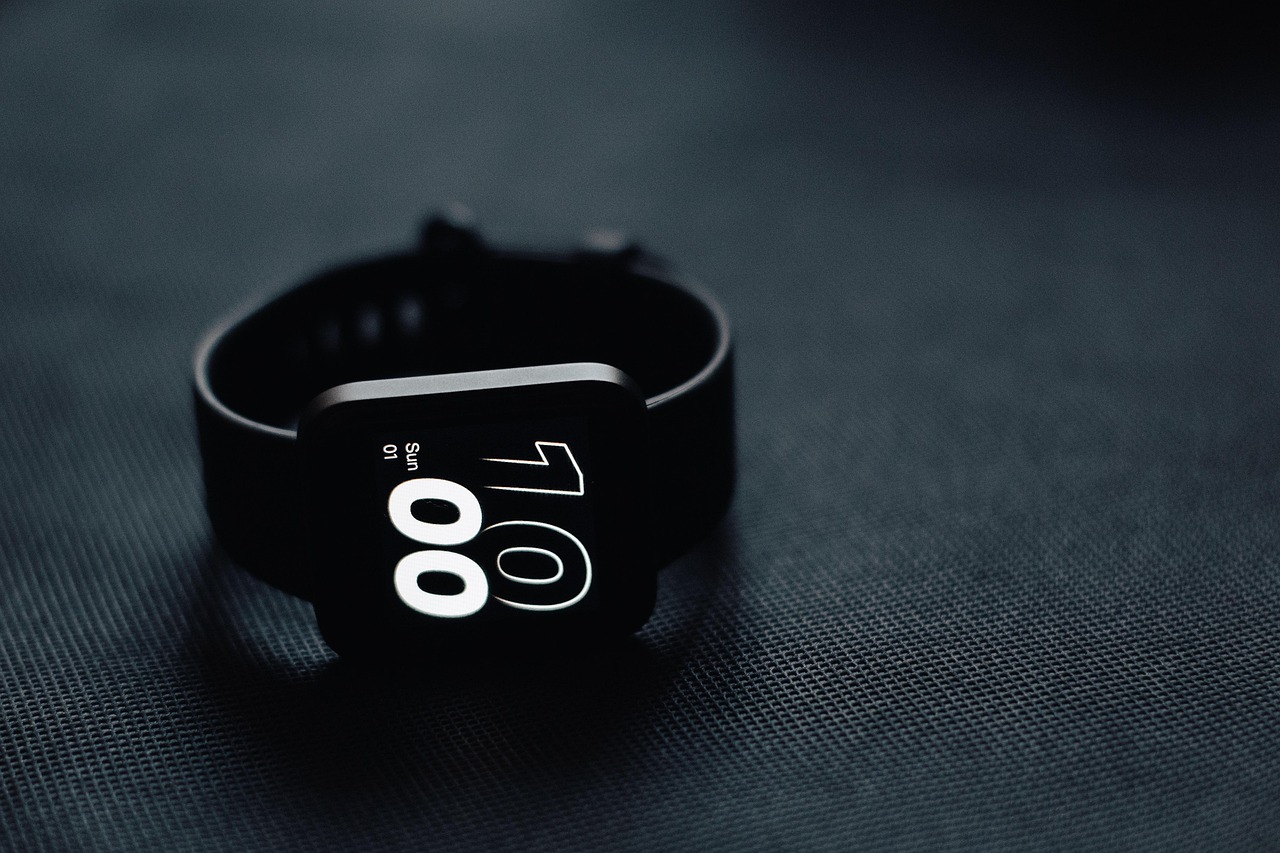

Wearable Health Monitors Integrated with Home Gym Systems
The fitness industry has been rapidly evolving, with new trends shaping the way people approach health and exercise. One significant trend is the integration of wearable health monitors within home gym systems. These advanced devices, such as smartwatches or fitness bands, provide crucial data on various health metrics, including heart rate, calorie burn, and sleep quality. Additionally, they enable users to track their progress over time, enhancing motivation and adherence to fitness regimens. The synergy between wearables and home gym equipment represents a major shift in personalized fitness. With technology embedded in their workouts, users can make informed decisions, improving their performance. Wearable technology fosters community engagement through features such as competition with friends, social media sharing, and accessibility to data analytics. Furthermore, combining coaching with instant feedback enhances the user experience. As more people turn to home workouts, the demand for integrated systems rises, leading to new innovations in device compatibility and user interfaces. This holistic approach to fitness is revolutionizing how individuals achieve their health goals, making workouts more personalized and efficient.
Advantages of Integrated Systems
One of the main advantages of integrating wearable health monitors with home gym equipment is the ability to collect real-time data. This data is vital for adjusting workouts based on individual performance. For example, smart devices can provide feedback on intensity and suggest modifications to enhance efficacy. Such capabilities are particularly beneficial for beginners or those returning after injury, providing them with tailored workouts that prioritize safety while ensuring progress. Moreover, users can set achievable goals, receive reminders to stay active, or adjust their routines on-the-fly. This adaptability encourages a more dynamic workout environment that caters to changing fitness levels. Additionally, integrating data with a mobile app synchronizes workouts and health metrics, making tracking progress straightforward. Users can analyze improvements over time, fostering accountability and motivation. Another benefit is the social aspect; people can connect through shared experiences, offering support and encouragement during their fitness journey. Virtual challenges and competitions can keep fitness enthusiasts engaged, making workouts enjoyable. Ultimately, these integrated systems make fitness accountability tangible, providing a sense of accomplishment as users witness their improvements.
Wearable health monitors also contribute to better workout planning and recovery. These devices can analyze the user’s physiological response during exercise, helping to determine when to increase or decrease workout intensity. Tracking heart rates and recovery times can assist in fine-tuning training plans, ensuring that users avoid fatigue or overtraining, which can lead to injuries. Additionally, some wearables offer recovery recommendations, suggesting rest periods or alternative workouts based on current fitness levels. This insight is invaluable in promoting long-term health and fitness. Furthermore, as technology advances, features like personalized workout regimes based on physiological data are becoming more accessible. Users can receive customized guidance from their wearables, enabling them to optimize their time spent exercising. Moreover, these monitors bridge the gap between physical activity and health monitoring, providing health insights that can influence overall wellness. For fitness enthusiasts, this level of integration represents significant progress, enhancing their experience and offering comprehensive solutions to meet their needs. As the interest in home gym systems increases, the fusion of technology and workouts will likely continue to drive future innovations.
The Role of Data Analytics
Data analytics plays a pivotal role in the functionality of wearable health monitors integrated with home gyms. Advanced algorithms analyze collected data, providing users with insights into their performance patterns and health metrics. These analyses can reveal trends, such as improved endurance or increased strength, allowing users to see tangible results from their efforts. By utilizing data-driven insights, fitness enthusiasts can make informed decisions about their workout routines and nutritional needs. Many wearables offer personalized feedback, customizing exercise plans based on fluctuating performance metrics. This level of customization enhances the user experience, making workouts more effective and enjoyable. Additionally, the knowledge gained from data assists users in staying adaptive and maintaining motivation through measurable milestones. With visual graphs and summaries, the data can be shared with fitness coaches or peers for further support and accountability. The role of data is crucial for individuals wanting to lead healthier lifestyles, especially when paired with home gym systems. As data analytics evolves, so will the potential for even more personalization and precision in fitness regimens, ultimately transforming how people approach their health and workouts.
Privacy concerns are also essential to consider with the rise of integrated wearable technologies in home gym settings. As health data becomes significantly more accessible, users must be aware of how their information is stored, used, and shared. Many device manufacturers are making strides towards ensuring secure data practices, allowing users to maintain control over their sensitive information. This transparency is essential for building trust within the community of wearable users. Many brands also provide options to limit sharing features and ensure that data analytics are used solely for personal improvement. Education on privacy issues surrounding fitness technology must be prioritized to help users understand potential risks. When looking into wearable devices, potential buyers should assess brands’ data protection protocols, reading reviews and checking for compliance with industry standards. As the demand for home gym equipment integrated with health monitors grows, so does the emphasis on security. Users should remain proactive in protecting their data. Ultimately, awareness of privacy concerns ensures that individuals continue to benefit from wearable technology while feeling secure.
Future of Home Gym Technology
The future of home gym technology is undoubtedly bright, with continuous innovations driving the fitness industry forward. We can expect to see advancements in artificial intelligence and machine learning within wearable health monitors, leading to enhanced customization. These future devices will likely rely on more advanced sensors to gather extensive data, improving users’ overall experience. In addition to tracking physical metrics, emerging technologies may soon monitor mental health and stress levels through biometrics. Integration with smart home devices could allow for a more seamless experience, automatically adjusting gym equipment based on user conditions. Video tutorials and virtual trainers embedded within home systems may also become standard, enhancing the home workout experience. Furthermore, as remote health consultations become more common, wearables could support telehealth functionality, bridging communication with fitness professionals or physiotherapists. This ongoing evolution will ensure that individuals can achieve their fitness objectives from the comfort of their homes. Overall, the confluence of technology and health could revolutionize how we perceive fitness, encouraging more individuals to engage in healthier, more active lifestyles.
As more individuals embrace the concept of home gyms, the importance of integrating wearable health monitors cannot be overstated. This synergy elevates the workout experience, empowering people to take charge of their health through insights and analytics. The data-driven approach made possible by wearables encourages users to make informed choices about their fitness plans and influences their overall well-being. These innovations also aid in building a supportive fitness community through the sharing of health insights and progress. With the increased focus on personal health, people are taking the opportunity to redefine fitness routines that best fit their lifestyles. Furthermore, as technology advances, the landscape of home gyms will continue evolving, making fitness more accessible than ever before. We can expect to see exciting collaborations between fitness brands and tech companies, focusing on delivering superior products for users. As the rapport between technology and fitness deepens, it will play an essential role in shaping the future of personal health management. With greater integration of wearables into home gym systems, individuals can ultimately lead healthier, happier lives through specially curated fitness experiences.