
Top Adaptive Fitness Activities for Kids with Physical Disabilities
Adaptive fitness activities for children with physical disabilities are essential for promoting health and well-being. Adaptations ensure that all children, regardless of their abilities, can engage in physical activities tailored to fit their specific needs. Such activities improve both physical strength and confidence in young participants. Programs often emphasize fun, which boosts overall motivation. Many kids feel included and valued when activities cater to them. Common adaptive fitness activities include swimming, wheelchair basketball, and yoga. Swimming is especially beneficial as it reduces strain on joints while enhancing muscle strength. Wheelchair basketball fosters teamwork and coordination skills, making the sport inclusive while exciting. Additionally, yoga aids in improving flexibility and balance, focusing on relaxation and mindfulness. In every setting, the trainers and coaches play a vital role in adapting the activities according to the child’s individual requirements. Ultimately, adaptive fitness not only enhances physical conditioning but also promotes social interaction among peers, fostering friendships. Establishing an environment of acceptance is fundamental, where kids can thrive, have fun, and develop healthy habits, contributing to lifelong fitness and well-being, ensuring they lead an active lifestyle.
One of the most popular activities for kids with physical disabilities is swimming because it provides a unique exercise option for individuals of all abilities. Swimming enables children to engage without the limitations that traditional sports might impose. Utilizing adaptive swimming aids, such as flotation devices or specially designed swim chairs, can make this accessible to all. While children enjoy fun in the water, they also improve cardiovascular fitness, strength, and flexibility. Parents find swimming to be an excellent way for their kids to bond with others, as they participate in group lessons or community swim meets tailored for various abilities. The social aspect cannot be overstated as it promotes teamwork and cooperation. Over time, children develop comfort with their bodies and gain confidence in swimming skills, opening the door for further aquatic activities. Besides, swimming boosts mental health by reducing anxiety and stress, making it a valuable addition to a child’s routine. Furthermore, engaging in athletics like swimming can lead to life-long friendships and healthy habits, ultimately contributing to their overall well-being and happiness, highlighting the importance of inclusion in all aspects of fitness education.
Adaptive Yoga for Kids
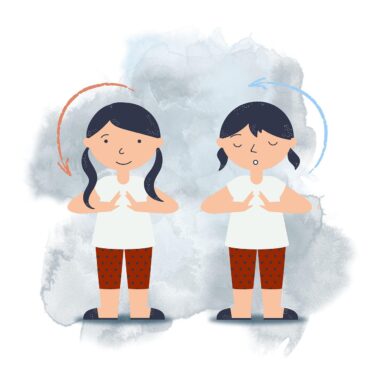
Adaptive yoga offers children a calm, empowering outlet that can enhance strength, flexibility, and mental clarity. It has become increasingly popular among children with a range of physical disabilities. Utilizing modified postures and tools allows all participants to engage comfortably and safely. Soft mats, bolsters, and blocks enhance the practice and promote relaxation during a session. The focus is on mindful movement and breathing, encouraging children to connect with their inner selves while fostering a sense of community. Throughout classes, children learn techniques for managing stress and anxiety, crucial for emotional development. Also, instructors often incorporate playful elements to maintain engagement and interest during practice. As they explore movement, kids often find joy in discovering their capabilities. Parents note that adaptive yoga cultivates self-esteem and body awareness, contributing positively to mental health. These sessions encourage healthy habits and promote fitness both physically and emotionally, leading to improved moods and overall well-being. Community classes and sessions make this accessible to families, ensuring that all children can experience the benefits of yoga, showcasing that fitness can also embody mindfulness, relaxation, and fun.
Another excellent physical activity for children with disabilities is adaptive cycling. This activity promotes physical fitness while allowing children to explore their surroundings in a fun, dynamic way. Various adaptive bicycles cater to different needs and abilities, ensuring participation from everyone. Recumbent trikes, hand cycles, and tandem bikes introduce exciting and safe riding experiences. Cycling can help strengthen muscles, improve balance, and boost cardiovascular health. Many communities offer adaptive cycling programs, giving families access to specialized equipment, creating a supportive environment of encouragement for young riders. Family cycling events are a great way to bond while promoting an active lifestyle. Participants feel empowered as they navigate various courses, learning to operate the bicycles correctly and enjoy the outdoors. Furthermore, adaptive cycling promotes social interactions and opportunities for teamwork, fostering bonds among peers with shared interests. Parents highlight the joy of watching their kids compete, encouraging an active and healthy lifestyle. Cycling stands as a unique opportunity for freedom and independence for children with disabilities, exemplifying how adaptive fitness activities can effectively promote inclusivity, confidence, and resilience for their overall growth.
The Importance of Team Sports
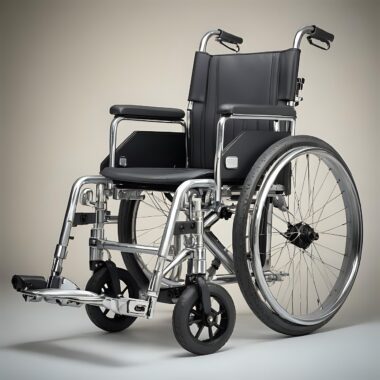
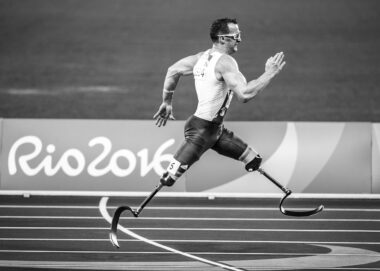
Participating in adaptive team sports provides children with disabilities an exciting opportunity to develop social skills and physical abilities. Sports such as wheelchair basketball and specially adapted soccer leagues encourage teamwork, cooperation, and communication among players. These activities foster a sense of belonging, allowing children to connect socially with peers who share similar interests and challenges. Coaches can work closely with teams to adapt game rules and strategies, ensuring all participants can contribute regardless of their skills or capabilities. Children develop essential physical skills, boosting confidence and self-esteem. The competition cultivates a supportive environment that highlights collaborative efforts over individual achievement. Kids are taught that successes, both large and small, deserve recognition, building positive self-regard. Furthermore, team sports can help parents connect with each other, forming support networks vital for their families. Events like leagues and tournaments create community connections, enhancing the overall experience. Accessing these opportunities can lead to friendships that last outside of the sports environment, nurturing lifelong relationships. Overall, adaptive sports teach children that physical limitations should not hinder their aspirations or their desire to engage with their peers, fostering an empowered and active generation.
Adaptive martial arts programs can also serve a significant role in promoting physical fitness and discipline among children with disabilities. These classes allow children to build strength and coordination while learning self-defense skills. Martial arts education emphasizes focus, respect, and perseverance, values beneficial both inside and outside the classroom environment. Instructors are specifically trained to provide modifications, ensuring every child can participate at their own pace and ability level. Classes foster a sense of community, enabling children to make friendships while growing together. As physical skills improve, children often demonstrate enhanced confidence in their capabilities. Moreover, martial arts contribute positively to social skills, teaching how to handle conflicts constructively. Children learn that personal challenges can be tackled with commitment and determination, reinforcing necessary mental resilience for their overall growth. Parents appreciate seeing their children grow in self-awareness and respect for others. Additionally, inclusivity in martial arts opens the door to creative learning experiences. Beyond physical fitness, this provides valuable life skills needed for navigating the world. Adaptive martial arts ultimately establish a platform for children with disabilities, promoting a well-rounded approach to fitness, personal growth, and social engagement.
Conclusion: Creating Inclusive Environments
Creating inclusive environments is essential for ensuring that children with disabilities can participate in adaptive fitness activities. Communities must collaborate to provide accessible programs and facilities that accommodate diverse needs. Awareness and education about various disabilities are vital in fostering understanding and encouragement among participants. Offering adaptive equipment and trained staff can significantly enhance participation, making children feel valued and capable. Schools, community centers, and local organizations must work together to build these programs and promote awareness, emphasizing the importance of inclusivity in fitness. Activities should be designed to highlight each child’s strengths, focusing on fun, engagement, and team spirit. Establishing strong support systems among parents, coaches, and peers can further foster an environment in which children can thrive. Ultimately, promoting fitness inclusivity leads to broader societal changes, enhancing understanding and compassion toward individuals with disabilities. By prioritizing these activities, we can build communities where all children feel empowered and engaged in physical fitness. Encouraging this mindset contributes to better overall health outcomes and develops lifelong healthy habits. Inclusive spaces celebrate diversity and highlight that everyone can participate fully, regardless of physical challenges, paving the way for a more compassionate and supportive society.
This article highlights key adaptive fitness activities designed for children with disabilities. The aim is to encourage participation and promote inclusivity across different domains. Emphasizing health and well-being through enjoyable activities fosters a lasting impact on young lives. Thus, these programs cultivate self-esteem and camaraderie, reflecting the broader objectives of inclusivity and accessibility in fitness education.