
Top 10 Cold and Flu Support Supplements to Boost Your Immunity
As the cold and flu season approaches, maintaining a robust immune system becomes essential. Many people turn to supplements to help fortify their defenses against these common ailments. Among the most popular supplements, vitamin C stands out due to its immune-boosting effects. This essential nutrient supports various cellular functions of both the innate and adaptive immune system. Taking vitamin C supplements may reduce the duration and severity of illnesses caused by viruses. Additionally, studies indicate that regular intake of vitamin C can help prevent respiratory infections. Zinc is another key player; it aids in the development and operation of immune cells. Zinc supplements may decrease the likelihood of falling ill and speed recovery for those who do. Moreover, elderberry supplements are gaining popularity. The extract from elderberries is often praised for its potential to shorten the duration of colds and flu. These supplements may also enhance immune response, offering a natural path to wellness. Experts suggest incorporating a variety of these supplements into your diet for the best results.
Another supplement worth considering is echinacea. This flowering herb has been used for centuries, primarily to fight off colds and flu. Research has shown that echinacea may help reduce the chances of developing a cold. It can also shorten the duration of an illness when taken at the onset of symptoms. Furthermore, studies suggest that it can enhance the body’s immune response, making it a beneficial part of your cold and flu support plan. Probiotics also play a critical role in immune health. These beneficial bacteria can improve gut health, which is closely linked to immune function. A healthy gut microbiome can enhance the body’s ability to combat pathogens. Regular probiotic supplementation may improve immune response, especially during cold and flu season. Garlic is another potent supplement; it boasts numerous health benefits, including antimicrobial and immune-supportive properties. Studies have shown that garlic supplements can reduce the severity and duration of colds. Adding garlic to your diet may help keep your immune system fortified against invaders. Each of these supplements offers unique benefits, making them great options during the colder months.
Key Ingredients for Boosting Immunity
Vitamin D is essential for a strong immune system, particularly in the colder months when sunlight exposure decreases. This vitamin is crucial for both innate and adaptive immunity, helping the body ward off infections effectively. Low levels of vitamin D have been associated with increased susceptibility to respiratory infections. Therefore, for those who lack adequate sun exposure, supplementation can be particularly beneficial. Omega-3 fatty acids are also vital; they play a significant role in promoting immune function. These healthy fats may help regulate the immune response and reduce inflammation. Various studies indicate that omega-3 supplementation can enhance the immune system’s ability to respond to pathogens. Additionally, curcumin could also be considered as an immune booster. This compound, found in turmeric, possesses powerful anti-inflammatory and antioxidant properties. Research suggests that curcumin supplements may enhance immune function while also protecting against infections. Incorporating such immune-boosting nutrients into your daily routine not only helps protect against colds and flu but also supports overall health throughout the year.
Now, let’s not forget the importance of Multivitamin supplements. These often contain a combination of essential vitamins and minerals, providing a comprehensive approach to health. Regular intake can fill nutritional gaps in your diet, ensuring adequate support for immune function. Many multivitamins include critical nutrients like vitamin A, vitamin D, vitamin C, zinc, and selenium. These ingredients work synergistically to support various processes in the immune system. Quercetin, a flavonoid antioxidant found in many fruits and vegetables, also deserves attention. Known for its powerful anti-inflammatory effects, quercetin may help to support respiratory health. Some studies suggest quercetin can reduce symptoms associated with upper respiratory infections. As the cold and flu season approaches, quercetin supplementation can provide an extra layer of protection. It’s essential to choose high-quality supplements and consult healthcare professionals for personalized advice. Remember, while these supplements can support your immune health, they should not replace a balanced diet and healthy lifestyle.
Natural Remedies to Consider
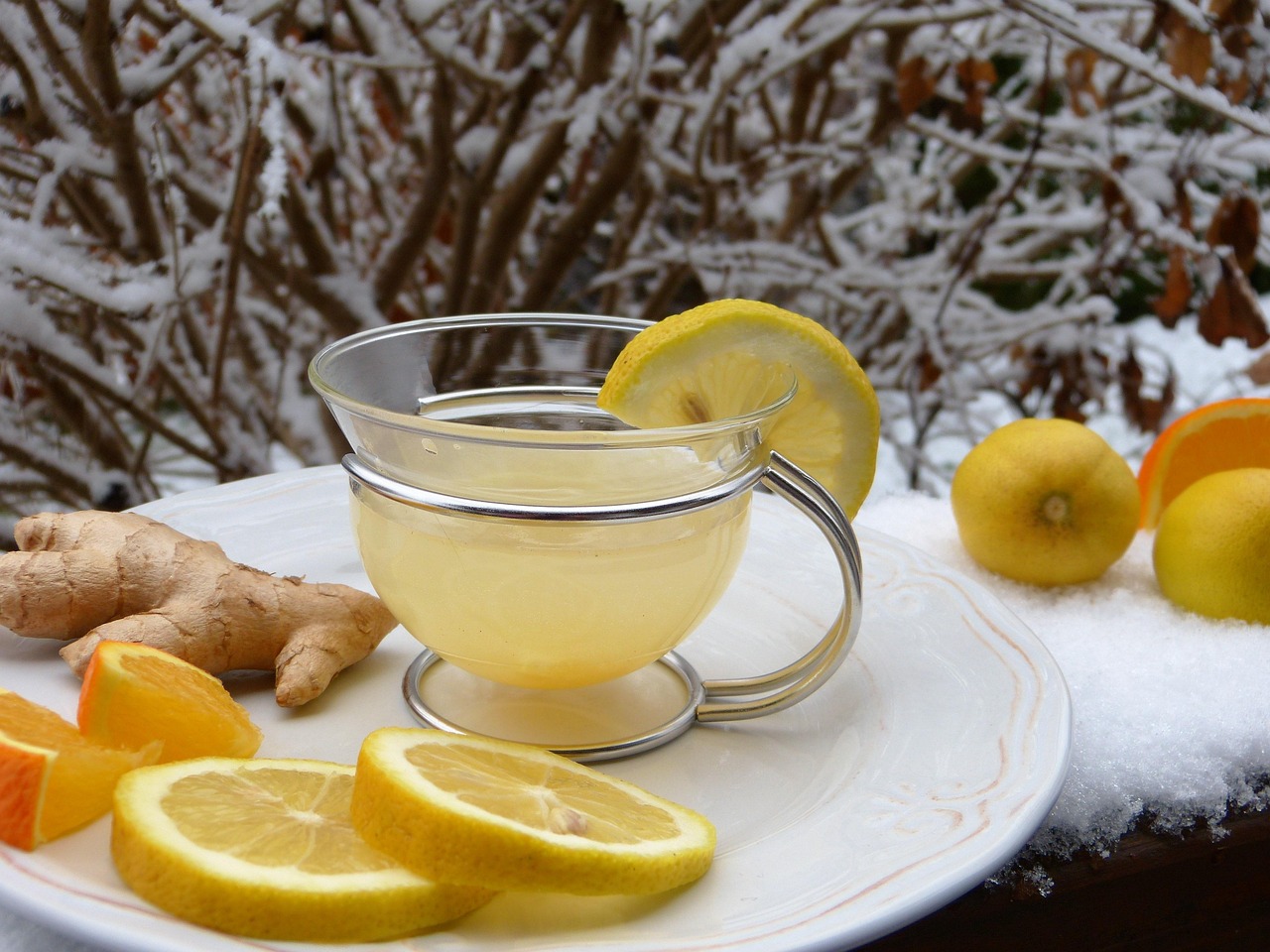
Alongside supplements, consider implementing some natural remedies. Honey, known for its soothing properties, can also support the immune system. It has been studied for its potential antibacterial and antiviral effects. A warm drink with honey can relieve sore throats and coughs effectively. Additionally, herbal teas, particularly ones infused with ginger or chamomile, can provide comfort and potentially lower cold symptoms. Ginger’s anti-inflammatory properties are beneficial for fighting respiratory infections. Moreover, staying hydrated and consuming plenty of fluids is critical for overall health. Water, herbal teas, and broths can assist in maintaining hydration, especially when sick. Staying hydrated helps thin mucus and reduce congestion. As winter approaches, focus on lifestyle habits such as adequate sleep and regular exercise; these are crucial for maintaining a strong immune system. Cumulatively, a holistic approach to cold and flu prevention can yield favorable results. Combine high-quality supplements with healthy foods and natural remedies for optimal immune support during those chilly months.
When selecting cold and flu support supplements, it is crucial to read labels carefully. Look for reputable brands that utilize high-quality ingredients. Seek out third-party testing to ensure purity and potency. Additionally, be wary of excessive doses. Some vitamins and minerals can be harmful in high amounts, and balance is key. Consult with a healthcare professional before starting any new supplement regimen, especially if you have underlying health conditions. Doing so will help tailor your approach to your specific needs. Don’t forget that supplements should complement a well-rounded diet rich in fruits, vegetables, whole grains, and lean proteins. Ideally, a balanced diet provides essential nutrients necessary for maintaining robust immune health. By combining responsible supplementation with nutritious food choices and healthy lifestyle practices, you can effectively safeguard your immune system. Enhance your diet with plenty of antioxidants, which combat oxidative stress caused by cold and flu viruses. Finally, being aware of the signs of nutrient deficiencies can aid in making informed choices about supplements and dietary changes, ensuring you stay vibrant and healthy this winter.
Conclusion and Recommendations
In summary, the fight against colds and flu can be significantly bolstered by focusing on immune support. A variety of supplements are available that offer individual benefits, such as vitamin C, zinc, and echinacea. However, it’s essential to remember that supplements aren’t a cure-all; they should complement a well-rounded diet and lifestyle. Regular consumption of natural foods like garlic and ginger, combined with probiotics and vitamins, can create a strong foundation for health. Always seek high-quality products and consult with healthcare professionals when starting new supplements. If possible, get most nutrients from whole foods first, as they present a holistic array of benefits. A proactive approach involving healthy eating, physical activity, and sufficient rest will further enhance your body’s defenses. With an understanding of these various supports, you can equip yourself and your loved ones with the tools needed to thrive during the cold and flu season. Stay informed, stay prepared, and safeguard your immune health effectively throughout these critical months.
Before diving into winter, take the opportunity to assess your current health regimen. This means evaluating your dietary habits, physical activity levels, and emotional wellbeing to ensure an all-rounded approach to overall health. Staying informed about immunity-boosting foods, like citrus fruits and leafy greens, can help maintain resilience through the colder months. Seasonal transitions are an opportunity for self-care, allowing you to prioritize mental and physical wellness, effectively promoting a healthier immune response. Engage in mindfulness practices and stress-relief techniques, as stress is known to weaken immune efficiency. Building a solid nutritional base while adding immune-supportive supplements can keep your defenses high. As you prepare for this winter, make a commitment to prioritize your health. By addressing nutrition, lifestyle, and emotional balance, you’re well-equipped to face the challenges of the season. No single solution guarantees immunity, but a holistic strategy encompassing all these dimensions can yield positive outcomes while keeping common illnesses at bay. Ultimately, empower your body to fight off infections naturally by introducing essential nutrients, supplements, and healthy habits into your daily routine.