
Pilates and its Role in Managing Bipolar Disorder Symptoms
Pilates is gaining recognition for its potential positive effects on mental health, particularly for those managing bipolar disorder. The practice emphasizes mind-body connection, a vital aspect of stabilizing mood. The exercises in Pilates encourage individuals to focus on their breath and body movements, which can alleviate stress and anxiety. As a low-impact exercise that improves both strength and flexibility, Pilates offers a safe option for individuals experiencing mood fluctuations. Research suggests that incorporating regular physical activity can be instrumental for wellness in mental health. Furthermore, Pilates routines can be modified, making them accessible to individuals of all ages and fitness levels. This adaptability is essential for those with bipolar disorder, who may have varied energy levels and mood states. Consistency in practice can foster a sense of routine, helping individuals regain control over their lives. Additionally, exercising outdoors or in a supportive community setting enhances the therapeutic effects of Pilates. It creates an opportunity for social interaction, which can be beneficial in combating feelings of isolation common among those with bipolar disorder.
Furthermore, engaging in Pilates can be a form of active meditative practice, helping individuals divert from negative thoughts that often accompany bipolar episodes. The concentration required in coordinating breath with movements helps to ground participants in the present moment. By shifting focus away from intrusive thoughts, individuals may experience respite from the chaotic cycles of bipolar disorder. Furthermore, Pilates promotes improved sleep patterns, which are often disrupted in those living with mental illness. Quality sleep is integral for mood regulation, and consistent involvement in physical activities like Pilates can contribute substantially to sleep quality. Participants often report feeling energized after a session, creating a virtuous cycle of increased motivation to engage in further activities. Newcomers to Pilates may benefit from beginner classes dedicated to understanding the principles and learning various techniques before progressing to advanced practices. Additionally, individuals can consider inviting a close friend or family member to join, enhancing mutual support and encouragement. Building a consistent practice not only aids physical health but can also provide essential emotional stability, making Pilates a valuable ally in managing bipolar disorder effectively.
The Benefits of Pilates for Emotional Well-Being
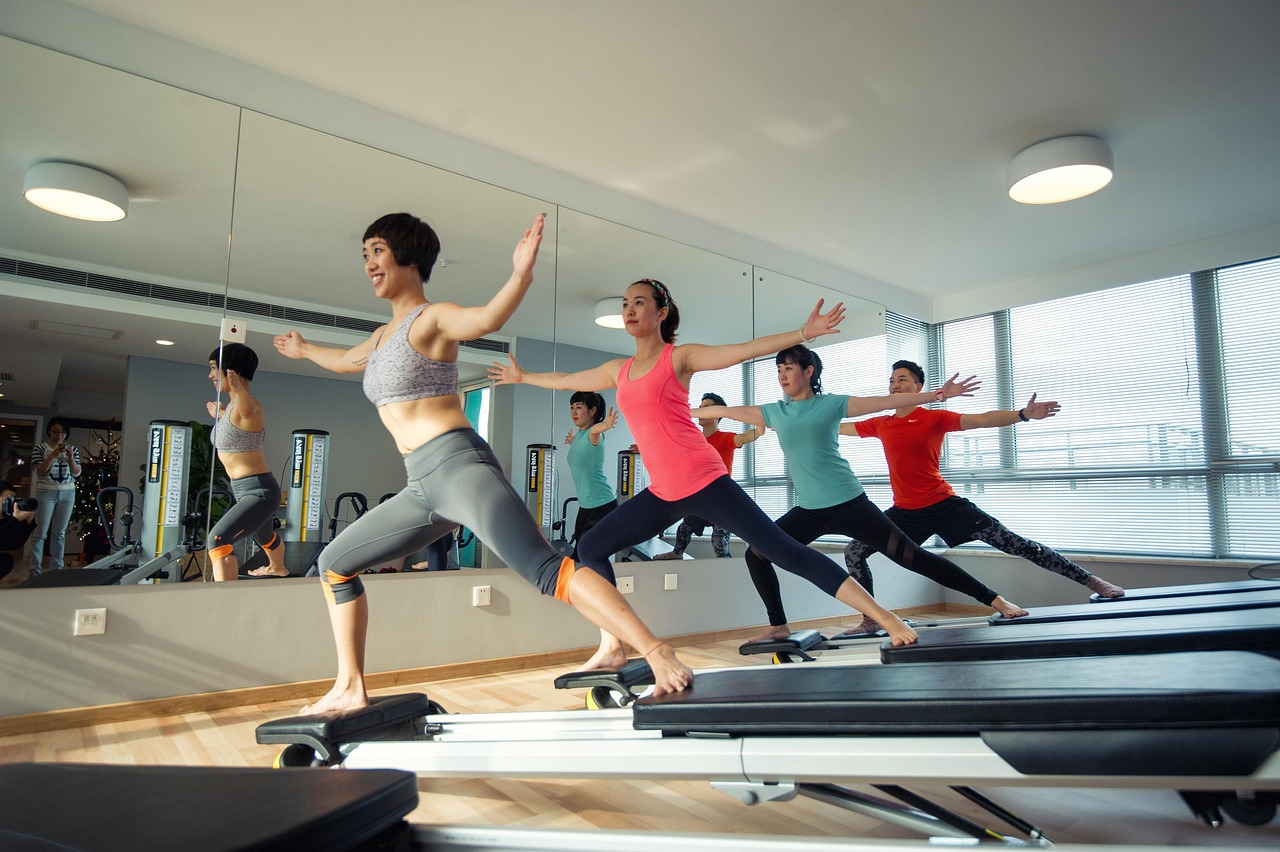
The myriad benefits of Pilates extend beyond physical improvements to include substantial emotional well-being enhancements. Research emphasizes how mindful movement practices contribute to better stress management and emotional regulation. Engaging in Pilates encourages individuals to tap into their emotional body, recognizing and expressing feelings that may have been suppressed. A session often culminates in relaxation techniques that help promote mental clarity and tranquility. As participants learn to listen to their bodies and respect their limits, they cultivate an empowering sense of awareness. This heightened awareness can correlate with improved self-esteem and self-acceptance, crucial factors in managing bipolar disorder. Moreover, increased physical strength leads to enhanced confidence, which can significantly alter one’s approach to challenges faced throughout daily life. Practicing Pilates at a dedicated studio can foster a supportive environment, wherein participants are encouraged to share experiences. Such interactions lead to networking and friendship-building, alleviating feelings of loneliness many individuals with bipolar disorder experience. Supportive communities can significantly contribute to ongoing motivation and accountability, ultimately promoting long-term adherence to exercise regimes, including Pilates practices and classes.
In addition, participation in group Pilates classes can serve as a social outlet, assisting in developing emotional bonds with others facing similar challenges. Emotional connections formed in these environments can lead to valuable friendships, providing a deeper understanding of each other’s experiences. These relationships can become a continued source of support in times of emotional struggle. Adaptability is a strong characteristic of Pilates, allowing individuals to alter exercises depending on their current mental state. This flexibility encourages continued engagement despite fluctuating moods, empowering individuals to maintain a connection with their physical bodies. Additionally, observing progression and improvement in flexibility or strength can foster positivity, allowing participants to recognize their struggle’s worth. As an approach to feeling empowered and focused, Pilates can solidify personal goals for individuals living with bipolar disorder. Keeping a journal to track physical and emotional progress may enhance one’s commitment to the practice. This reinforces intentional engagement in Pilates, which aids in managing bipolar symptoms, laying the foundation for a balanced mental state essential for coping effectively with daily life challenges.
Creating a Personal Pilates Practice
Crafting a personalized Pilates routine is essential for individuals with bipolar disorder, as tailoring the practice ensures responsiveness to variable moods. Establishing a consistent schedule while allowing flexibility can maximize the benefits Pilates offers. Begin by incorporating short sessions into your daily life, gradually increasing duration as comfort with practice grows. These sessions can intertwine fundamental Pilates techniques with additional stress-relief components like breathwork or meditation. Implementing mindfulness practices within Pilates can enhance emotional resilience while also addressing any feelings of anxiety or overwhelm. Incorporate guided sessions through online platforms for convenience, or seek professional instruction to ensure correct forms of movements. Embedding a yoga mat and relaxation equipment in your routine may create a conducive environment for willingness to engage. Seeking out Pilates instructors experienced with mental health or specifically bipolar disorder can provide instant understanding and compassion, resulting in more fulfilling sessions. Recognizing the importance of celebrating small milestones within your practice can cultivate patience and appreciation for progress over time. This positivity further fuels motivation and commitment to keeping active, creating a balanced lifestyle to manage bipolar disorder effectively.
Moreover, combining Pilates with other therapeutic modalities can cultivate a robust holistic approach to managing bipolar disorder. Integrating practices like yoga, mindfulness meditation, and breathing exercises enhances overall well-being within individuals. Exploring additional physical activities, such as walking or swimming, can introduce variety to an existing Pilates routine, promoting consistent engagement without monotony. Establishing the right mindset before embarking on a Pilates session can further optimize its benefits. A positive attitude can significantly affect how the body responds to exercise, fostering an uplifting environment for emotional growth. Consider starting each session with affirmations to foster positivity and intention around the practice. Additionally, evaluating personal energy levels may guide the length and intensity of each session. Consider being with like-minded communities, either online or in-person Pilates groups, to engage with informative discussions and share experiences. Fortifying your support system ensures encouragement along the journey, promoting an emotionally balanced atmosphere conducive to reaching goals over time. With persistence and commitment, Pilates can provide users with a tool to cope with the challenges associated with bipolar disorder.
Conclusion: Pilates as a Lifelong Tool
In conclusion, Pilates offers a multifaceted approach to managing symptoms associated with bipolar disorder, making it a powerful tool for emotional, mental, and physical well-being. Its focus on mindfulness and strong connections between the body and mind significantly enhances emotional regulation. As individuals immerse themselves in Pilates practice, they often experience improved self-esteem and the empowerment necessary to confront everyday challenges. Emphasizing flexibility within routines allows participants to adapt practices according to current energy levels. This supports ongoing motivation to integrate exercise into daily routines while managing mood fluctuations. Becoming engaged in community support also fosters meaningful relationships among practitioners, providing essential encouragement to navigate the complexities of mental health. By viewing Pilates as a lifelong companion, individuals can consistently cultivate resilience against mood-related challenges. As such, these practices should be recognized as vital components of a comprehensive treatment approach for bipolar disorder. Engaging in Pilates can positively influence one’s overall quality of life, leading to greater fulfillment and harmony within oneself. Ultimately, when combined with therapeutic intervention, Pilates enhances strategies for managing bipolar disorder while promoting stability in various areas of life.
To further enhance engagement in Pilates practices, individuals can assess their transitions as needed, incorporating feedback from their journeys. This continual assessment allows individuals to remain connected to their own bodily needs and responses, fostering a stronger relationship with their mental health. The unique journey of each person experiencing bipolar disorder offers various paths to explore, encouraging creativity in developing practices that resonate personally. This exploration offers robust opportunities that promote thriving rather than merely surviving. Pilates remains a dynamic form of exercise, adapting seamlessly to an individual’s interests and goals throughout different life stages. By nurturing this dynamic connection with oneself, individuals can continuously evaluate their emotional health and adapt living strategies accordingly. Ultimately, this adaptability and personalization ensures that the path taken is not just effective but enriching. Pilates can serve as a steadfast ally for individuals navigating the complexities of bipolar disorder, promoting not only better physical health but also emotional awareness and resilience. So, whether a beginner or an advanced practitioner, finding ways to integrate Pilates into your daily life can be a rewarding experience. Conclusively, it becomes essential to view Pilates not just as physical exercise but as a holistic approach to emotional wellness.