
Mindfulness Practices to Improve Focus in Sports
Mindfulness is a powerful practice that can significantly enhance athletic performance. Athletes often find themselves juggling intense training schedules, competitions, and the pressure to excel. To improve focus, adopting mindfulness techniques can have profound benefits. Mindful breathing is one effective technique that encourages athletes to center their thoughts and become more immersed in the present moment. This technique can involve taking deep breaths, concentrating on inhalation and exhalation, and is particularly useful in stressful environments. Additionally, visualization allows athletes to mentally rehearse performance scenarios, fostering a sense of preparedness. This mental imagery technique aligns physical execution with mental readiness. Practicing mindfulness also aids in managing anxiety and self-doubt. When athletes recognize and acknowledge their thoughts rather than allowing them to spiral negatively, they stay focused on the task at hand. Engaging fully in training sessions through mindfulness can create more successful outcomes during competitions. Enhancing focus through these practices results in improved performance, emotional control, and resilience, ultimately leading to greater achievements in sports.
Benefits of Mindfulness in Sports
Incorporating mindfulness practices into athletic training yields numerous benefits for both mental and physical aspects. Firstly, heightened awareness allows athletes to better tune into their body, identifying areas of tension or discomfort that may hinder performance. By learning to listen to their bodies, athletes can avoid injuries and enhance recovery. Secondly, mindful practices can reduce the effects of competitive stress on performance. When facing adversity, maintaining calm through mindfulness techniques enables athletes to control their physiological responses, fortifying mental toughness. Moreover, consistent mindfulness practice can improve decision-making skills. Athletes learn to think clearly and quickly under duress, allowing them to make crucial choices during competitions. Enhanced focus aids in executing strategies more effectively, which can lead to victory. Furthermore, research has shown that mindfulness can contribute to increased levels of patience and perseverance. Athletes often need to push through challenges, and a mindful approach empowers them to stay committed to their goals. Finally, integrating community elements through group mindfulness sessions can foster teamwork and camaraderie among athletes, creating a supportive environment for growth.
Practicing mindfulness also has a profound impact on emotional resilience in sports. Emotional skills like motivation, focus, and self-compassion are essential for optimum performance. Cultivating a mindful attitude encourages athletes to develop these skills by recognizing their thoughts and feelings without judgment. Self-compassion, in particular, helps in navigating setbacks and failures. Athletes who practice self-compassion tend to maintain a healthy perspective on their performances, allowing them to bounce back quickly from disappointments. Furthermore, mindfulness activities such as yoga promote not only physical flexibility but also mental adaptability. Engaging in yoga helps to create a mind-body connection that sharpens focus and awareness, essential for optimizing performance in high-pressure environments. Regular practice can lead to improved agility, balance, and coordination in athletes, therefore enhancing overall sports performance. Athletes can also introduce mindfulness techniques into their warm-up or pre-competition routines to bolster their focus. Such integration can streamline their mental processes, ensuring they are prepared both physically and mentally. By tapping into these practices, athletes can find a competitive edge and enhance their overall sports performance through mindfulness.
Techniques for Practicing Mindfulness
There are several practical mindfulness techniques that athletes can easily incorporate into their training regimens. Meditation is one foundational technique. Athletes can allocate just a few minutes daily to sit quietly and focus on their breath, gradually noticing thoughts that arise without engaging with them. This encourages a peaceful and focused mindset. Another effective practice is progressive muscle relaxation, where athletes tense each muscle group before consciously relaxing them. This can alleviate physical tension and promote a sense of calm before competing. Journaling can also play an instrumental role in fostering mindfulness. Taking time to write down thoughts and feelings can create clarity, helping athletes process experiences. Additionally, nature walks can serve as a mindful practice, allowing athletes to immerse themselves in their surroundings while enhancing overall awareness. Listening to guided mindfulness practices or apps may also provide support, especially for beginners. The use of these techniques not only enhances focus but can also lead to improved mental clarity, stronger motivation, and a deeper understanding of one’s individual strengths, which ultimately contributes to improved performance.
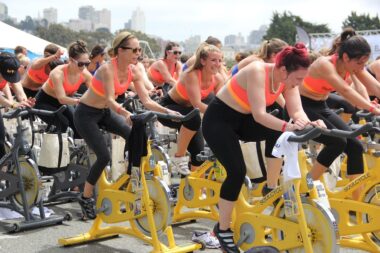
To cultivate a comprehensive approach to mindfulness, athletes should consider integrating group activities that foster a sense of belonging. Engaging in mindfulness workshops or group sessions can significantly enhance motivation and accountability among peers. This team dynamic encourages open dialogue about challenges faced in maintaining focus and resilience, creating a supportive environment. Practicing mindfulness alongside teammates can also strengthen relationships, resulting in a more cohesive unit. These shared experiences can create a sense of collective growth and provide tools to cope with pressure. Additionally, community involvement in fitness activities can encourage athletes to explore mindfulness practices beyond their sports. Activities such as volunteering, coaching, or participating in fitness events expose athletes to diverse perspectives on the importance of mental well-being, reinforcing their commitment to mindfulness. By sharing tips, techniques, and experiences in a community setting, athletes can inspire one another to integrate mindfulness fully into their training. These opportunities cultivate a well-rounded approach to sports performance, where mental and emotional well-being is prioritized equally with physical training.
Conclusion: The Path Forward
In conclusion, incorporating mindfulness practices into sports training is not just a trend; it’s a transformative approach that can lead to significant improvements in performance. Athletes must recognize that mental well-being plays a crucial role in their overall performance and longevity within their sport. By adopting mindfulness techniques like meditation, visualization, and group activities, athletes can develop a deeper focus and resilience that directly translates to their performance. The benefits of mindfulness extend beyond mere performance enhancing; it fosters stronger connections among teammates, supports mental health, and encourages athletes to embrace challenges. To move forward, athletes should commit to making mindfulness an integral part of their routine. Whether it’s during pre-competition rituals or post-training reflections, the effects of mindfulness can steadily accumulate, leading to a more fulfilling and balanced athletic journey. Coaching staff and sports organizations should also consider implementing structured mindfulness programs as a standard component of athlete training. Through a culture of mindfulness in sports, athletes will likely experience not only improved performance outcomes but also enriched personal development throughout their athletic careers.
Ultimately, mindfulness can serve as a foundational element that empowers athletes to thrive both in and out of competition. As more athletes embrace these practices, the landscape of sports performance is bound to shift towards a more holistic approach, where mental fortitude is regarded as equally essential as physical prowess. With the integration of mindfulness techniques, the sports community can cultivate an environment that emphasizes well-being, supports emotional health, and builds lasting connections among athletes. Moving into the future, adopting a mindful perspective will be paramount for those looking to achieve their maximum potential and inspire future generations to value mental resilience as part of their athletic identity. Therefore, as mindfulness practices find their rightful place in sports, athletes should harness these tools to navigate their athletic journeys with confidence and purpose, ultimately enriching their experiences and performance in their respective sports.
Mindfulness is a powerful practice that can significantly enhance athletic performance. Athletes often find themselves juggling intense training schedules, competitions, and the pressure to excel. To improve focus, adopting mindfulness techniques can have profound benefits. Mindful breathing is one effective technique that encourages athletes to center their thoughts and become more immersed in the present moment. This technique can involve taking deep breaths, concentrating on inhalation and exhalation, and is particularly useful in stressful environments. Additionally, visualization allows athletes to mentally rehearse performance scenarios, fostering a sense of preparedness. This mental imagery technique aligns physical execution with mental readiness. Practicing mindfulness also aids in managing anxiety and self-doubt. When athletes recognize and acknowledge their thoughts rather than allowing them to spiral negatively, they stay focused on the task at hand. Engaging fully in training sessions through mindfulness can create more successful outcomes during competitions. Enhancing focus through these practices results in improved performance, emotional control, and resilience, ultimately leading to greater achievements in sports.