
Hydration Tips for Early Morning and Late Night Workouts
Hydration is crucial for both early morning and late night workouts. Proper hydration ensures optimum performance, aids recovery, and keeps you feeling energized. Before beginning your workout, be mindful of how much water to consume. It’s generally recommended to drink at least 16 to 20 ounces of water a few hours before exercising. If your workout is early in the morning, it can be beneficial to hydrate the night before. Having a bottle of water nearby when you wake up can help ease you into your routine. For late-night sessions, focus on hydrating throughout the day to avoid dehydration before your workout. Post-exercise, the body requires replenishing fluids and electrolytes lost during sweating, making it essential to drink water afterwards as well. If you’re planning to do more extended workouts or anticipate sweating heavily, consider electrolyte drinks. These can help restore the minerals your body has lost. Staying hydrated will enhance your overall performance, ensuring you reach your fitness goals. Always listen to your body’s hydration needs, and make adjustments as necessary to find what works for you.
Another important aspect of hydration is timing. For early morning workouts, consider having a glass of water right after waking up. This quick drink will jumpstart hydration after a night of sleep, where your body can become dehydrated. Additionally, if you struggle to drink large amounts of water, try sipping small amounts consistently. This method can be more effective and less overwhelming. Your body will thank you for it. For those who prefer late-night workouts, be cautious of drinking too much water immediately before your workout. This could lead to discomfort as your body may not have enough time to process all the fluid. Instead, spread out hydration throughout the day and allow for a reasonable gap between drinking water and working out. Post-exercise, rehydrate adequately but avoid excessive fluids right before bedtime, as it could disrupt sleep. If you’re unsure about your hydration levels, monitoring the color of your urine can be helpful. A light-yellow color generally indicates proper hydration, whereas a darker shade can signal the need for more water.
Hydration Strategies: Early Morning
When hydration strategies are tailored for morning workouts, it can boost performance greatly. Firstly, ensure you hydrate the night before, as this promotes better endurance when you’re working out early. Try aiming for a fluid intake of at least 8 ounces before going to bed. In the morning, make sure to drink a glass of water upon waking and before hitting the gym. This adds to your overall hydration levels and prepares your body for the physical activity ahead. Consider incorporating hydrating foods into your pre-workout meal, such as fruits and vegetables, which can add beneficial liquid and nutrients. Foods like watermelon, cucumber, and oranges can provide necessary hydration while offering energy. Additionally, using a reusable water bottle can encourage you to drink more consistently. Keeping it filled and within reach motivates you to sip throughout your early morning routine. If you’re up for it, herbal teas or electrolyte-infused waters can serve as an energizing morning beverage to increase hydration before workouts. Remember, staying consistently hydrated will greatly enhance your overall physical performance and recovery.
Staying hydrated during late-night workouts poses its unique challenges. Make your hydration plan adaptable to minimize potential disruptions to your sleep schedule. Having a good water bottle by your side can remind you to drink throughout your session. Be cautious of consuming large quantities of water right before you attempt to fall asleep. While it’s crucial to rehydrate post-exercise, aim to finish drinking about an hour prior to bedtime. This allows your kidneys time to process fluids, minimizing nighttime bathroom trips. During your late-night workout, utilize hydration strategies like sipping sports drinks to replace lost electrolytes without drinking excessive water. Engage in non-caffeinated beverages post-workout to help your body wind down. Just as with morning workouts, listening to your body is essential. If you feel thirsty, drink—but try to maintain a balanced approach so that your body is rehydrated without becoming overly full. Ultimately, it’s about enhancing your performance and ensuring adequate recovery without compromising your well-being during sleep hours.
The Importance of Individual Needs
Individual hydration needs can greatly differ based on factors such as age, gender, activity level, and environmental conditions. Recognizing these factors is essential for tailoring your hydration strategies effectively. Some individuals may require more fluids than others depending on their exercise intensity. For example, athletes engaging in high-intensity training will need to consume more water than those exercising at a moderate pace. It’s also useful to take into account the climate where you’re working out. Hot and humid conditions can lead to faster dehydration, so ensure you’re compensating for this by increasing fluid intake during these situations. Similarly, in colder climates, you might not feel thirsty but still lose fluids through respiration and sweat. It’s beneficial to develop a habit of regularly monitoring your hydration status. Simple methods include checking your urine color or noting how you feel physically. If you frequently feel fatigued or lightheaded during workouts, it may indicate your body requires more fluids. Adaptability in your hydration strategy ensures you stay at peak performance, alleviating possible setbacks during early morning and late-night workouts.
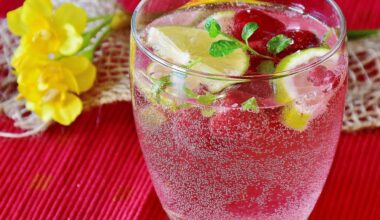
Incorporating different hydration sources into your regimen can be beneficial when working out. Water is always the go-to, but trying other beverages can keep things interesting. Consider sports drinks that are designed for hydration, especially after prolonged workouts. They often contain electrolytes that help in replenishing lost minerals. Coconut water has also risen in popularity as a natural alternative, providing potassium and hydration without artificial ingredients. In addition, herbal teas can provide a flavorful way to enhance your hydration levels. Just make sure they’re caffeine-free if you consume them close to bedtime. Infused water, made by soaking fruits and herbs in water, offers a refreshing twist on regular hydration. Finally, smoothies or protein shakes made with liquid bases can also serve dual purposes, helping both to hydrate and provide nutrition. Keeping your hydration varied not only makes it enjoyable but also ensures that your body is receiving an adequate intake of fluids to support recovery and performance. Find what works best for you personally and enjoy the hydration process while working towards your fitness objectives.
Conclusion: Mastering Your Hydration
Mastering proper hydration techniques for both early morning and late-night workouts can lead to significantly better results in your fitness journey. By implementing attentive hydration strategies, you’re equipping yourself for optimal performance and recovery. Focus on pre-workout hydration; drinking water in advance prepares your body for exercise. Post-workout hydration is equally critical. Always make it a priority to replenish fluids lost during your workout regimen. Customize your hydration strategies to fit your individual needs based on activity level, environmental factors, and personal preferences. Maintain a close watch on your hydration levels by observing how you feel and monitoring the color of your urine. Choose a variety of hydration options, from water and sports drinks to hydrating foods, making the process enjoyable. Remember that adequate hydration extends beyond just fluid intake; it encompasses attentive habits that promote overall health. As you refine your approach to hydration, you will notice improvements in energy levels, performance, and recovery times. Ultimately, by learning how to hydrate effectively, you will conquer your workouts, meet your fitness goals, and enjoy a healthier lifestyle.