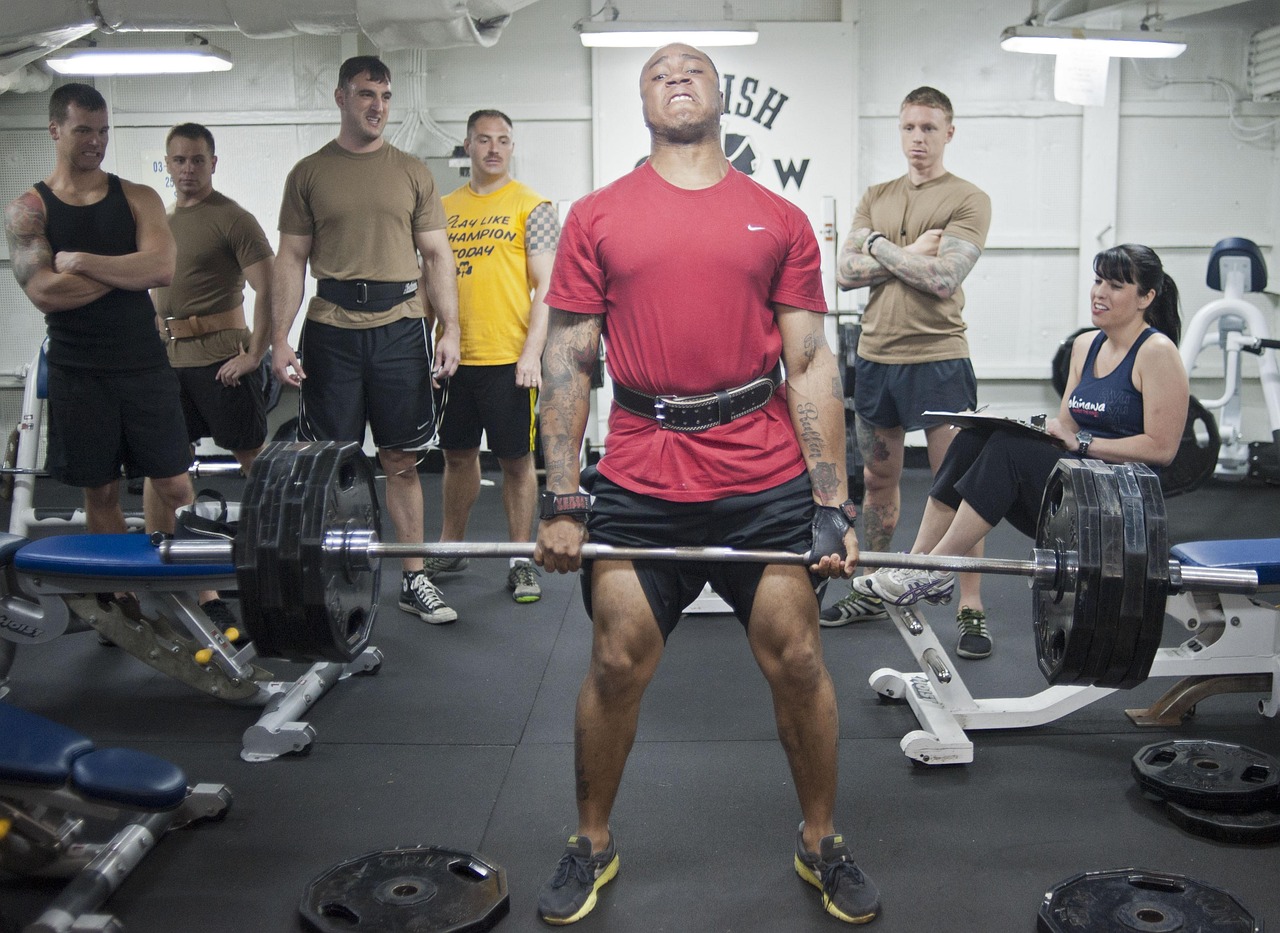

How Sleep Affects Your Deadlift Progress
Understanding how sleep impacts your deadlift performance is crucial for athletes and lifters alike. Sleep plays an essential role in recovery, muscle growth, and overall performance. When your body gets sufficient sleep, it can repair and build muscle tissue, which is vital for strength training, including deadlifts. Conversely, inadequate or poor-quality sleep can hinder these processes, leading to reduced strength gains. Studies have shown that athletes who prioritize sleep tend to recover better from workouts, experience lower levels of fatigue, and achieve higher performance levels. To optimize your deadlift training, consider establishing a regular sleep schedule that allows for 7 to 9 hours of restful sleep. This routine helps your body regulate hormones that are important for recovery, including testosterone and growth hormone. Not only does sleep affect physical performance, but it also impacts cognitive functions such as focus and motivation. Just as fuel benefits your car, sleep fuels your ability to lift. Aim to create an environment conducive to sleep by reducing noise, minimizing light exposure, and following a pre-sleep routine that helps you relax and unwind.
Benefits of Quality Sleep
Quality sleep contributes significantly to muscle recovery and growth, which are integral to improving your deadlift strength. When you sleep, your body undergoes various stages of restoration, helping to repair muscle fibers that have been damaged during heavy lifting sessions. Inadequate sleep can lead to elevated levels of cortisol, a hormone that can interfere with muscle recovery and strength gains. With each deadlift session, you’re not just lifting weights; you’re also breaking down muscle tissues that require sufficient time to repair and grow. Hormones, including testosterone and growth hormone, peak during sleep, promoting anabolic processes. By enhancing sleep quality, you can increase your body’s blood flow, which aids in nutrient delivery to your muscles. This is crucial for effective recovery post-deadlift workouts. Additionally, sleeping well reduces the likelihood of injury. Fatigue can lead to poor lifting form, increasing the risk of strains or tears. Aim to create a sleep sanctuary by keeping the bedroom cool, dark, and quiet. Regular exercise outside of lifting days can also promote deeper sleep cycles and improve the quality of your rest, supporting your deadlift journey.
Beyond just physical benefits, sleep also aids in mental recovery and focus, contributing to improved deadlift technique. Mental clarity is crucial during heavy lifts, as your focus can impact your form and overall performance. Poor sleep can lead to cognitive fog, which may result in less effective training sessions and diminished results in the gym. When you’re well-rested, you will likely experience enhanced focus and increased motivation to push through challenging sets. Sleep deprivation can trigger a decline in your mood, making you more prone to stress and less inclined to stick to your workout routines. Additionally, when you suffer from poor sleep, your body’s ability to adapt to the physical stress of lifting will weaken, negatively impacting your overall athletic development. This is why it’s essential to prioritize restful sleep as a part of your training regimen. If you find it hard to sleep, consider adopting relaxation techniques such as mindful breathing or light stretching before bed. Using the bed only for sleep can train your body to associate this space with rest, promoting better sleep patterns over time.
Sleep Recommendations for Lifters
To maximize your deadlift performance through sleep, implementing certain strategies can be highly effective. Aim for 7 to 9 hours of quality sleep each night as the standard recommendation for adults. First, establish a consistent sleep schedule, going to bed and waking up at the same time every day. This routine helps regulate your body’s internal clock. Consider creating a relaxing bedtime routine that may include reading a book or taking a warm bath to signal your body that it’s time to wind down. Moreover, limit screen time at least an hour before sleep since blue light emitted from screens can interfere with your body’s natural sleep-wake cycle. Additionally, be mindful of your intake of caffeine and heavy meals during the evening. Consuming stimulants can disrupt your sleep pattern and make it difficult to fall asleep. Lastly, consider including brief power naps during the day if needed, especially after intensive training sessions. These strategies may enhance your overall recovery and lead to better deadlift conditioning over time, making them essential for serious lifters.
The importance of sleep for athletes, particularly for weightlifters working on their deadlift skills, extends beyond just recovery; it influences hormonal balance as well. While you sleep, your body releases key hormones essential for muscle growth and repair. Increased levels of testosterone during the night help in maintaining muscle mass and strength. At the same time, growth hormone promotes fat reduction while enhancing muscle recovery. Both hormonal processes are vital for anyone seeking improved performance in the gym. Disruptions in your sleep cycle, such as inconsistent sleeping patterns or insomnia, can lead to imbalances in these hormones. This imbalance may result in difficulty achieving strength goals and potentially lead to increased body fat percentage. By fostering good sleep habits, you can ensure optimal hormonal function, which consequently supports better performance during your deadlift sessions. Holistic practices like nutrition, proper warm-ups, and dedicated sleep environments can contribute to achieving this balance. It’s a proactive approach that speaks volumes about long-term fitness success and endurance, impacting more than just the immediate workout but every lift you perform over time.
Recognizing Signs of Sleep Deprivation
Understanding the signs of sleep deprivation is vital for lifting performance. If you consistently feel tired throughout the day, struggle to concentrate, or rely on caffeine to stay alert, these could indicate that your sleep is deficient. Lack of quality rest can result in decreased motivation while lifting, leading to compromised performance during sessions. You might notice diminished strength levels during deadlifts, where weights you previously managed feel heavier. Learning to listen to your body is essential; fatigue can translate into poor workouts and hamper gains. Also, watch out for psychological signs such as irritability or changes in mood, which can arise from inadequate sleep. If you experience these symptoms, consider adjusting your sleep schedule to prioritize rest. Your body performs best when well-rested. Create a conducive sleep environment free of distractions, keeping a consistent bedtime. Encourage better sleep hygiene by limiting stimulants before sleep to improve rest quality. Keeping a sleep diary may help track patterns in your sleep cycle, identifying trends and making it easier to establish lasting, beneficial habits contributing to deadlift success.
In conclusion, the link between sleep and your deadlift progress cannot be overstated. Adequate rest not only aids in muscle recovery but also enhances cognitive function and overall lifting performance, crucial for maximizing deadlift results. To optimize your training, prioritize quality sleep alongside your exercise regimen. The body requires time to recover and repair itself, making nighttime rest an essential component. Furthermore, improved sleep can dramatically impact your motivation and mental outlook, contributing to a better workout experience. Implementing sleep strategies, recognizing the signs of deprivation, and fostering good sleep hygiene create a foundation for your lifting success. Bringing awareness to the importance of sleep allows you to take actionable steps towards improving your recovery and overall deadlift performance. Remember that achieving your lifting goals takes time and dedication, and prioritizing sleep can dramatically shorten this journey. Each lifter must respect their body’s need for rest and understand how it affects their training outcomes. By marrying sleep practices with disciplined training, you can achieve those elusive deadlift numbers and feel stronger, healthier, and more fulfilled.