
Healthy Fats to Include in Your Daily Diet
Including healthy fats in your diet is essential for overall wellness. Fats are not only a source of energy; they also play crucial roles in the absorption of vitamins, production of hormones, and maintenance of cell membranes. The key is choosing the right types of fats which can benefit your health rather than harm it. Healthy fat options can help you feel satiated, support brain health, and reduce inflammation. In contrast, unhealthy fats lead to chronic diseases. The following sections will explore various healthy fat types that should be part of your daily meals. Exploring healthy fats leads to dietary diversity and better nutritional outcomes. They are vital for heart health, weight management, and can even improve your mood. By incorporating these fats into your meals intentionally, you will pave the way for a healthier lifestyle. Prioritizing omega-3 fatty acids, monounsaturated fats, and polyunsaturated fats can make a significant difference in your diet. With an understanding of these types of fats, your meals not only get wholesome benefits but also improve flavors and perceptions of satisfaction.
Olive Oil: A Rich Source of Healthy Fats
Olive oil is widely recognized as a core component of the Mediterranean diet, celebrated for its numerous health advantages. Packed with monounsaturated fats, olive oil is known to support heart health by improving cholesterol levels and lowering blood pressure. Furthermore, it contains antioxidants, which can reduce inflammation and protect against cellular damage. Incorporating olive oil into your meals does not have to be complicated. Use it as a dressing on salads, drizzle it over vegetables, or utilize it for cooking at medium heat. Eating meals prepared with quality olive oil contributes positively to overall well-being, leading to longevity and reduced risks of chronic diseases. When choosing olive oil, opt for extra virgin varieties to maximize benefits, as they undergo minimal processing and maintain more nutrients. By replacing butter or margarine with olive oil, you enhance your diet’s nutritional quality. This versatile oil not only aids in nutrient absorption but also enhances flavors, making healthy cooking enjoyable. Exploring different ways to integrate olive oil into your culinary practices can lead to a flavorful and healthier lifestyle.
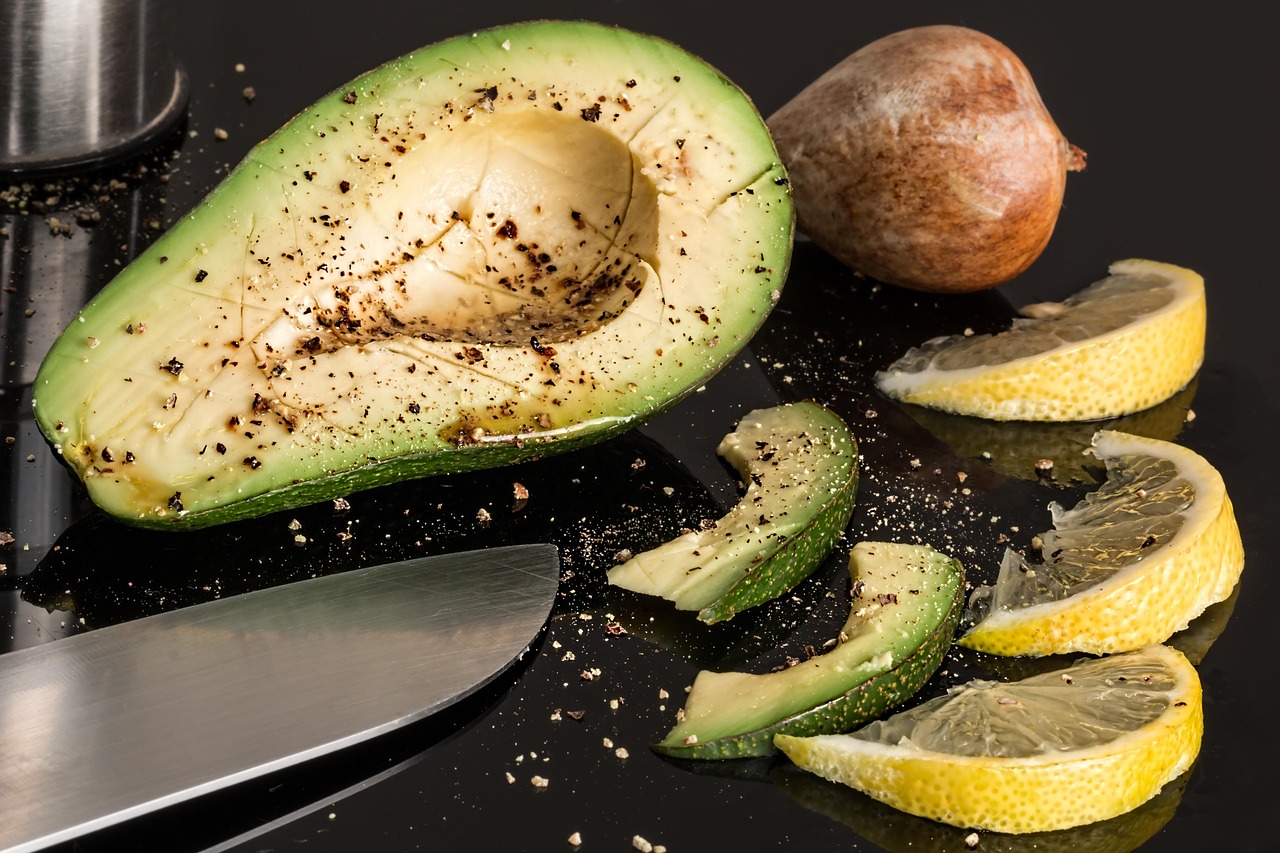
Avocado is another remarkable food that is filled with healthy fats that can significantly impact your diet positively. Rich in monounsaturated fats, avocados help in reducing bad cholesterol while increasing good cholesterol levels. They’re also an excellent source of fiber, vitamins, and minerals. Including avocados in meals can enhance flavor while providing essential nutrients. You can enjoy them in salads, smoothies, or simply on toast, setting a great tone for healthy dining. Their creamy texture pairs well with various ingredients, emphasizing their versatility. Notably, avocados provide potassium that can help manage blood pressure levels. Additionally, their high fat content can promote satisfaction and fullness, making them a great choice for those managing weight. Though they are calorie-dense, the health benefits far outweigh concerns when consumed in moderation. Moreover, avocados may contribute to better skin health due to their high antioxidants. Therefore, including avocados can provide a delicious way to enhance your daily fat intake while enjoying multiple health benefits. Embrace avocados as a filling yet nutritious addition to a balanced diet, especially in combination with other healthy fats.
Nuts and Seeds: Nutrient-Dense Options
Nuts and seeds offer another amazing source of healthy fats that can enrich your diet considerably. They are uniquely nutrient-dense, providing not only healthy fats but also protein, fiber, and essential vitamins and minerals. Almonds, walnuts, chia seeds, and flaxseeds stand out as excellent choices due to their high content of omega-3 and omega-6 fatty acids. Including a variety of nuts and seeds in your meals can significantly boost their nutritional value. They are excellent additions to salads, oatmeal, and yogurt, or can simply be enjoyed as healthy snacks. Nuts possess unique benefits for heart health and can even support weight loss by promoting feelings of fullness. Additionally, seeds like flaxseeds are great for digestion and hormonal balance due to their high fiber content. A small handful of mixed nuts can be a nutritious alternative to processed snacks, offering sustained energy and satiety throughout the day. Moreover, the unique taste and texture of nuts and seeds can greatly enhance any dish while ensuring a satisfactory experience with healthy fats.
Fatty fish, including salmon, mackerel, and sardines, are extraordinary sources of healthy omega-3 fatty acids. These fish types are renowned for their numerous health benefits, particularly concerning heart health and cognitive function. Regular consumption can lower the risk of heart disease and stroke while promoting healthy brain function. You can incorporate fatty fish into your diet a couple of times each week to achieve optimal nutrient intake. Grilling, baking, or steaming can preserve healthy fats while enhancing flavors. Adding fatty fish to your weekly menu can encourage improved overall health due to their anti-inflammatory properties. They also provide essential nutrients like vitamin D and high-quality protein, crucial for maintaining strong immune function. If fresh options are challenging to source, consider using canned varieties for convenience without compromising nutritional quality. Making fatty fish a culinary staple will not only promote a healthier heart but also support mental well-being. Experimenting with herbs, spices, and cooking methods can keep meals exciting and diverse, allowing sustainable healthy eating habits to flourish through engaging meal preparation.
Coconut Oil: A Unique Source of Healthy Fats
Coconut oil is often debated within nutrition circles, but it provides valuable medium-chain triglycerides (MCTs). MCTs are unique because they are metabolized differently compared to long-chain fatty acids. They provide an immediate source of energy and may support weight loss by increasing calorie burning. To harness these benefits, integrating coconut oil into your cooking can enhance meals while benefiting metabolism. This oil’s rich flavor also works well in various culinary applications, such as baking or sautéing. Coconut oil may also have antimicrobial properties, supporting digestive health and immune function. When choosing coconut oil, consider opting for virgin or organic types to maximize advantages. In moderation, coconut oil can be a flavorful addition to healthy, balanced diets, offering an alternative fat source. Using coconut oil in smoothies, stir-fries, or baked goods can diversify your fat sources while keeping things delicious. It serves not only as a cooking medium but also as a wellness-boosting ingredient. Experiment with different recipes that incorporate coconut oil for enjoyable, healthy, and vibrant meals that support your daily dietary needs.
In summary, incorporating healthy fats into your daily diet is a strategic approach to optimizing nutrition and supporting overall health. From olive oil and avocados to nuts, seeds, fatty fish, and coconut oil, each fat type provides unique health benefits. Understanding the difference between healthy and unhealthy fats can aid in making informed dietary choices. Balancing fats is essential to promote beneficial processes like inflammation reduction and nutrient absorption. Emphasizing healthy fats while limiting intake of trans fats and excessive saturated fats will pave the way for better health outcomes. Moreover, these fats can enhance the flavors of your meals and support satiety, making healthy eating enjoyable. Planning meals that include a variety of healthy fat sources will not only sustain energy levels but also improve your mood and mental well-being. Don’t hesitate to explore the diverse ways to include healthy fats, making meals both nutritious and flavorful. As you adjust your eating habits, you will discover that healthy fats can play a role in improving your lifestyle and overall well-being, setting the foundation for continued health.
Final Thoughts on Healthy Fats
Being mindful of your fat intake can transform your health positively. Embracing healthy fats as key components of your diet is vital for sustained energy, cognitive function, and overall wellness. Create a dietary plan that emphasizes quality sources of fats, ensuring you enjoy heart-healthy meals while reaping the nutritional benefits. Consistency in including various healthy fats can lead to favorable changes in body composition and improve long-term health. Educating yourself about different fat types will empower you to choose wisely when preparing meals. Enjoying foods that provide healthy fats will elevate your diet, allowing for versatility and creativity in planning meals. Keeping an inventory of your favorite healthy fat sources can simplify meal prep and encourage healthy eating habits. Also, consider consulting a nutritionist if you seek personalized advice tailored to your individual health goals. With this knowledge, try to experiment with new recipes that highlight healthy fats while keeping meals exciting. Little by little, cultivating these habits will greatly impact your overall health, enhancing both physical and mental well-being through balanced nutrition.