
Breath and Body Connection: Techniques for Grounding During Stress
In our modern world, stress has become an inescapable part of life. This is primarily due to our fast-paced lifestyles, demanding jobs, and constant connectivity through technology. As a result, many individuals are seeking effective ways to cope with stress. One highly effective method involves the practice of breath and body techniques. Research has shown that deep breathing exercises can significantly reduce feelings of stress and anxiety. By learning to control our breath, we tap into our body’s natural ability to ground ourselves amidst chaos. The link between breathing and emotional regulation can be transformative. Our breath serves not only as a physical function but also as a means to center and calm our minds. However, the challenge lies in our tendency to forget about our breath during stressful situations. Regular practice can enhance our awareness and equip us better to handle stressful moments. Ultimately, the goal is to foster a sense of peace and relaxation. With commitment and understanding, the techniques explored here can lead to lasting benefits for mental health and overall well-being.
The Basics of Breath Control
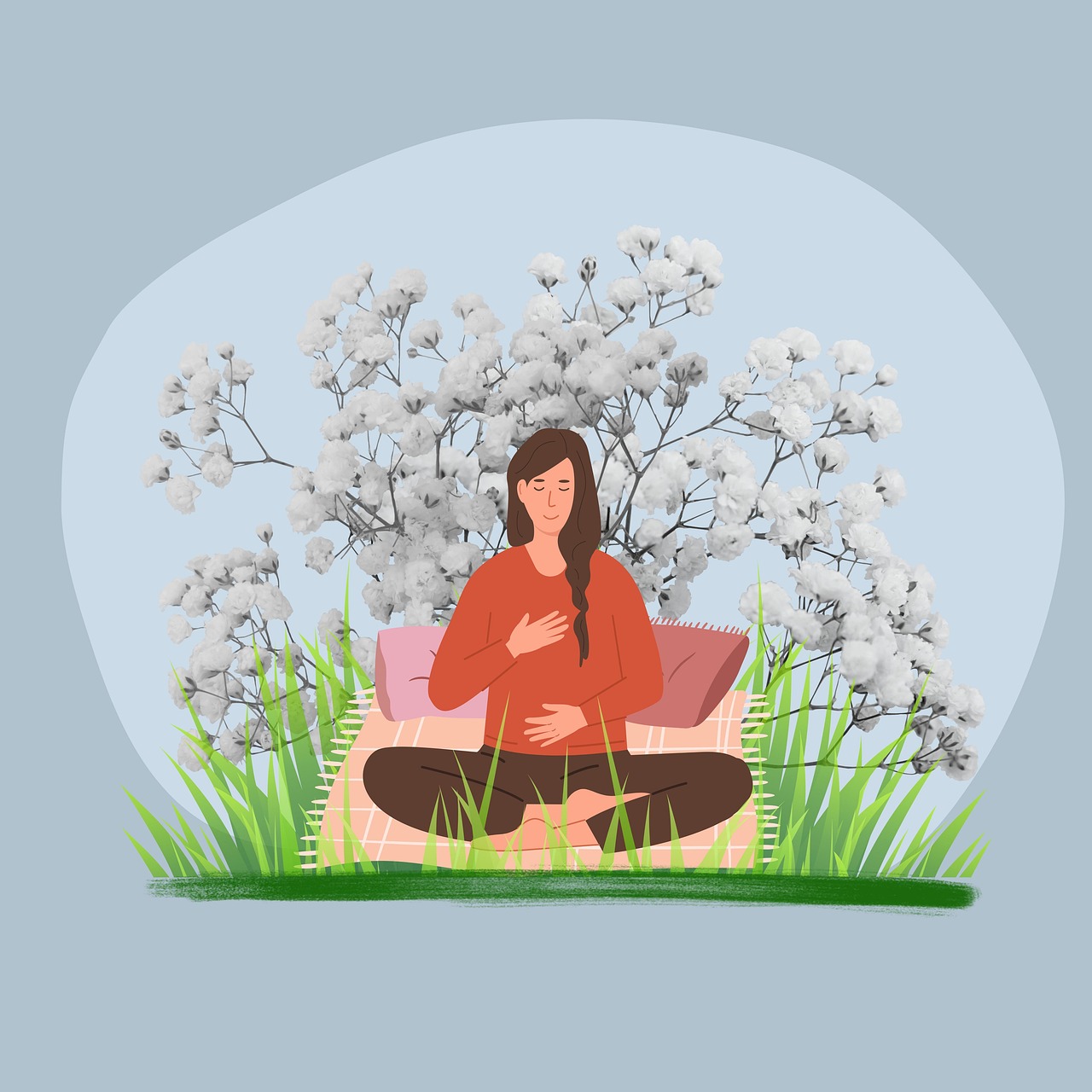
The foundation of effective breathing is understanding how to take slow, deep breaths. Focusing on diaphragmatic breathing allows you to maximize the oxygen intake while promoting relaxation. To begin, sit or lie comfortably, closing your eyes if it helps you to concentrate. Place one hand on your chest and the other on your stomach. As you inhale deeply through your nose, ensure your stomach rises rather than your chest. This technique shifts the focus from superficial chest breathing to fuller abdominal breathing. Inhale for a count of four, hold for a count of four, and exhale for a count of four. Repeat this cycle for several minutes, gradually increasing the duration of your inhales and exhales. The rhythm of your breath should ideally match a calming pace, easing tension in your body. You may notice a significant improvement in your emotional state after a few minutes of practice. Whenever you feel overwhelmed, remember to prioritize your breathing. By connecting with your breath, you can anchor yourself and cultivate a greater sense of control amid challenging situations.
Developing mindfulness is another crucial aspect of effective breathing techniques. Mindfulness encourages individuals to become aware of their present moment experiences, including their physical sensations and emotional states. When combined with breathing exercises, mindfulness can magnify the benefits of grounding techniques. To practice mindfulness, select a quiet space where you can sit comfortably, free from distractions. Focus solely on your breath as you inhale and exhale deeply. As thoughts arise, acknowledge them without judgment and gently guide your focus back to your breath. This practice can serve to enhance your ability to remain calm and collected even in emotionally charged situations. Integrating mindfulness into your daily routine can help create a habit of returning to the present moment. In addition to reducing stress, mindfulness can lead to improved concentration and mental clarity. Furthermore, this enhanced awareness can cultivate a greater appreciation for life’s simple joys, contributing to overall well-being. The reference to the connection between breath and mindfulness underscores how they work hand in hand to achieve a centered state.
Visualization Techniques
Visualization techniques can also amplify the effects of breathing exercises. By integrating visualization into your breathing practice, you can engage not only your physical body but also your mind, solidifying the grounding experience. Start by closing your eyes and taking several deep breaths, as previously mentioned. Then, with each inhale, imagine a warm, comforting light entering your body. With each exhale, envision stress and tension leaving your body as dark or heavy energy. This mental imagery can create a powerful sense of release and calm. You may visualize specific locations that bring you peace, such as a serene beach or a quiet forest. Engaging your senses in these visualizations can enhance the experience: listen to the sound of waves crashing or smell the fresh air of a woodland. This practice helps create a safe mental space where relaxation can thrive. Even during stressful moments, this technique serves as an effective reminder of tranquility. For long-lasting benefits, integrate visualization into your daily breathing practice and observe how it influences your stress levels over time.
A significant factor in stress management involves establishing a daily routine. Incorporating breathing exercises into your daily activities can be a game-changer. Create a specific time each day where you dedicate just a few minutes to focus on your breath. Consistency is key for building a lasting habit, so consider associating your practice with an existing routine, like morning coffee or evening relaxation. You can also choose to practice during high-stress moments, such as before an important meeting or while navigating a busy commute. Experiment with different techniques, including breath counting, visualization, or mindfulness, and observe which method resonates best with you. Journaling your experiences can also help deepen your understanding of the benefits you gain from these practices. It will help chart your progress and reflect on your emotional journey. Plus, this can serve as a great motivation to maintain the habit. By committing to your breathing routine, you cultivate resilience and empower yourself to tackle daily challenges with a renewed sense of calm and focus, ultimately improving your overall quality of life.
Sharing and Connecting with Others
Lastly, sharing your experiences and knowledge about breathing techniques fosters community and empowerment. Engaging with others provides a platform to exchange ideas and insights while promoting collective stress management. Whether through workshops or social media, sharing your journey helps create a support system for both yourself and others. You might invite friends to join you in breathing exercises, establishing a collective practice that can amplify the positive effects. Having an accountability partner or group also encourages consistency and commitment. You will find that discussing your struggles and triumphs can lead to deeper connections and shared understanding. Moreover, participating in group sessions allows for the exploration of various techniques, enriching your practice. In addition, listening to others’ experiences can open your mind to different approaches that you may not have considered. By learning together, you cultivate an environment of growth and support. Ultimately, this sense of belonging contributes to a holistic approach to managing stress effectively. Building your communal practice can encourage lasting change, benefiting everyone involved.
In conclusion, breathing techniques have proven to be highly beneficial for stress reduction. By integrating breath and body connection, individuals can cultivate greater awareness, mindfulness, and emotional regulation. These practices empower people to regain control, especially during challenging situations. With techniques such as diaphragmatic breathing, visualization, and mindfulness, anyone can harness the calming power of breath. Furthermore, establishing a consistent routine enhances these benefits, ensuring that stress management becomes an integral aspect of daily life. When combined with a supportive community, these techniques foster resilience and improved mental well-being. As stress continues to be a prevalent aspect of modern life, these approaches can serve as essential tools for coping. As you embark on your journey, embrace the simplicity and accessibility of breath practices. Soon, you may discover a deeper connection between your mind and body. Appreciate the ongoing journey toward understanding and managing stress effectively. Remember, each breath is an opportunity to pause, reflect, and regenerate your energy. With dedication and practice, you will be better equipped to face life’s challenges, grounded in peace and clarity.
Additional Resources: For those looking to deepen their understanding of breathing techniques, consider exploring various resources available. Numerous books, workshops, and online courses offer valuable insights into stress management strategies. Websites dedicated to mindfulness and wellness often provide guided breathing exercises and additional techniques. Furthermore, mobile apps can aid in tracking your practice while offering guided meditations and reminders to breathe. Engaging with professional instructors can also bolster your understanding. Many yoga and meditation studios offer classes focusing on breath work. Participating in community events can enhance your practice and foster connection. Support from practitioners who share similar goals will encourage growth. Be persistent, and remember that finding the right approach may take time. The goal is to discover techniques that resonate with your unique needs and lifestyle. Celebrate your achievements along the way, whether big or small, as these incremental changes contribute significantly to your overall well-being. Embrace your journey with community, guidance, and intention. Ultimately, the ongoing practice of mindful breathing can lead to lasting change and improved quality of life for you and those around you.