
The Impact of Cardiovascular Exercise on Stress Levels in Women
Cardiovascular exercise plays a vital role in stress management, particularly for women. Many studies reveal that regular engagement in cardiovascular activities can lead to significant reductions in stress levels. This is important as women often face unique stressors related to work-life balance, family responsibilities, and societal expectations. Activities such as running, cycling, swimming, and even brisk walking stimulate the release of endorphins, often referred to as the “feel-good” hormones. These endorphins serve to alleviate feelings of anxiety and contribute to an overall sense of well-being. Regular cardiovascular workouts can also improve sleep quality, which is crucial when managing stress. When women feel more rested, they can cope better with daily stresses. Moreover, engaging in group fitness can enhance social connections and provide emotional support. This sense of community adds a layer of psychological benefit, further reducing stress. Importantly, it’s essential to match the type and intensity of cardiovascular workouts to personal preferences and fitness levels. This personal connection fosters adherence and consistency in the exercise routine, maximizing benefits for resolving stress-related challenges in women’s lives.
The marriage between cardiovascular fitness and stress reduction becomes evident as physiological responses within the body shift. During cardiovascular exercise, there is an elevation in heart rate and blood flow which enhances oxygen distribution throughout the body. This increase in oxygen promotes better cellular function and energy levels, allowing women to feel invigorated and less fatigued. Stress often leads to fatigue and lethargy, hence improving energy through cardiovascular exercise can counteract these effects. Additionally, as the body becomes accustomed to physical challenges, psychological resilience builds over time. This physical conditioning directly correlates with improved self-efficacy, allowing women to manage stress more effectively. Furthermore, cardiovascular activities can distract from stressors, providing a mental break wherein women can focus solely on the exercise. This diversion creates a much-needed mental space to regroup thoughts and emotions. Over time, the regularity of cardiovascular exercise not only bolsters physical health but also equips women with coping strategies to deal with both chronic stressors and acute stress experiences. By integrating cardiovascular workouts into their routine, women can enjoy both mental clarity and enhanced emotional stability, significantly improving their overall quality of life.
Physiological Effects of Cardiovascular Exercise
Engaging in cardiovascular exercise leads to various physiological changes that benefit stress management in women. One of the primary benefits includes the regulation of cortisol levels, known as the stress hormone. Excess cortisol can lead to weight gain, high blood pressure, and overall poor health outcomes. However, consistent cardio workouts help regulate cortisol levels effectively, ensuring a balanced hormonal profile. Apart from hormonal regulation, cardiovascular exercise also promotes better blood circulation, which is crucial during times of stress. Enhanced circulation fosters a more efficient delivery of nutrients and oxygen to vital organs, helping improve overall body function. This improvement can translate into better cognitive performance, enabling women to think more clearly and process challenges calmly. Additionally, cardiovascular activities can improve heart health, which reduces the risk of cardiovascular diseases that may arise due to stress. This connection between cardiovascular fitness and stress relief highlights an essential aspect of women’s health. Staying physically active through cardio can cultivate long-term wellness benefits, thereby establishing a sustainable approach for stress management. Each workout contributes to a more robust physiological response to life’s everyday pressures, encouraging resilience and thriving well-being in a busy world.
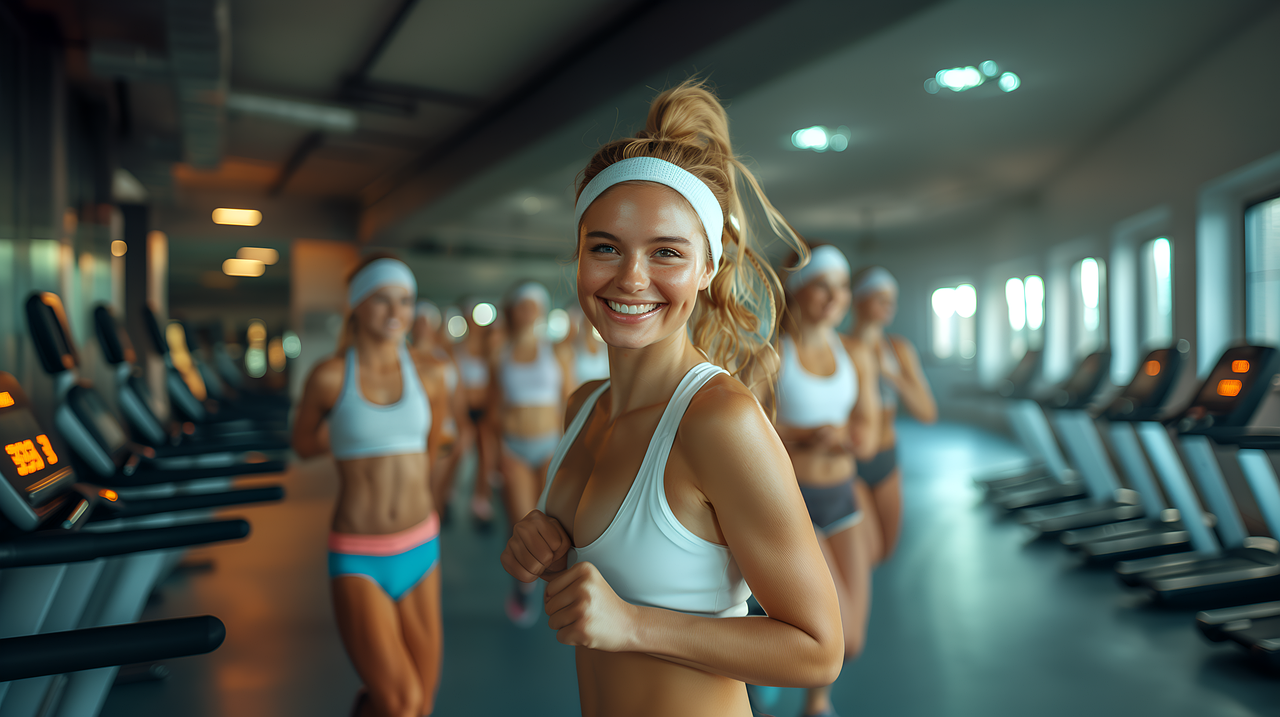
Moreover, the social dimensions of participating in cardiovascular exercises cannot be overlooked. As many women choose to engage in these workouts in groups, the opportunity to build relationships emerges naturally. Group fitness classes cater to diverse interests, providing social interactions that uplift and motivate. By fostering friendships through joint physical activities, women create a support network, which serves as a buffer against stress. The accountability developed in these group environments can further encourage regular exercise, as friends become workout partners. This camaraderie enhances enjoyment, reinforcing the importance of both physical and emotional engagement in fitness. Additionally, sharing experiences with peers can lower feelings of isolation, making it easier for women to address challenges related to stress. When women exercise together, they exchange tips, motivation, and personal stories about managing stress, which reinforces a sense of belonging. Consequently, the combined physical benefits of cardiovascular workouts with the empowering emotional aspects of social connections create a comprehensive approach to stress management. Ultimately, these interactions contribute to happier, healthier lifestyles, exemplifying the power of community engagement in achieving fitness and wellness goals.
Choosing the Right Activities
Selecting the appropriate cardiovascular activities to align with personal interests and abilities is crucial for sustaining motivation. Women may consider various options such as jogging, cycling, swimming, or group fitness classes. Each activity offers unique benefits, so finding an enjoyable option can lead to long-term adherence. Additionally, women may wish to set realistic goals based on their current fitness levels. Progression is essential; starting with shorter durations and gradually increasing intensity can boost confidence, reinforcing the psychological benefits of exercise. For those with fitness challenges such as joint discomfort, low-impact activities like swimming or cycling can be excellent alternatives. This flexibility ensures that women can engage in cardiovascular exercise without the added stress of injury. Experimenting with different classes or communities can spark a newfound passion and provide fresh motivation, showcasing the diverse fitness landscape available today. Ultimately, embracing an individualized approach to cardiovascular workouts is vital for reaping the stress relief benefits these exercises provide. Directly connecting personal preferences to fitness routines cultivates a sustainable lifestyle choice that empowers women to enjoy a balanced life more fully.
Nutrition also coexists harmoniously alongside cardiovascular exercise when aiming for effective stress management. A well-rounded diet provides the necessary fuel required for aerobic activities, supporting optimal performance. Women should consider incorporating nutrient-dense foods into their meals to achieve a balanced nutrient profile. Foods rich in omega-3 fatty acids, antioxidants, and vitamins contribute to better overall health. Moreover, hydration plays a crucial role, as water supports bodily functions associated with exercise, enhancing endurance and recovery. Many women find, however, that stress can disrupt healthy eating patterns, leading to poor choices. By prioritizing nutrition in conjunction with cardiovascular routines, women can mitigate those tendencies. Being mindful of meal planning and preparation aligns healthful eating habits with exercise schedules to boost effectiveness. It is also worth noting that certain foods may enhance mood, further supporting stress management efforts. Whole grains, lean protein sources, and fresh fruits and vegetables should feature prominently on the menu. Delicious and thoughtful nutrition empowers women to cultivate better physical and mental health, emphasizing that nutrition and exercise are intertwined pathways to achieving wellness and improved stress resilience in daily life.
Conclusion
In summary, integrating cardiovascular exercise into daily routines offers profound benefits for managing stress in women. The biophysiological effects promote hormone regulation, enhanced energy levels, and better overall health outcomes. Furthermore, the social dimensions foster connections, support networks, and shared experiences. Women are uniquely positioned to harness the combined benefits of both emotional and physical power through fitness. By choosing enjoyable activities, adopting balanced dietary habits, and cultivating supportive environments, they can significantly improve their mental and emotional well-being. The multifaceted approach to managing stress through cardiovascular activity empowers women to navigate life’s challenges with resilience and joy. As this habit flourishes, women may uncover renewed strengths, priorities, and zest for life. The journey to wellness does not just become a pursuit of fitness, but rather a means of embracing a holistic lifestyle that nurtures physical, emotional, and social dimensions. By focusing on stress management strategies that promote cardiovascular health, women can unlock their full potential, creating a balanced and fulfilling life where they not only survive but truly thrive.
Ultimately, as women are encouraged to prioritize cardiovascular fitness in their routines, the pathway towards improved stress management becomes both achievable and productive. While juggling multiple responsibilities, women should view exercise as an essential form of self-care. Personalizing and integrating these workouts into a self-care regimen can transform the relationship with fitness and stress. Viewing exercise not merely as a task, but rather an opportunity for personal growth, self-discovery, and empowerment can unlock new horizons. Moreover, the consistent practice of cardiovascular exercise invariably leads to lifelong skills in resilience and coping that women can apply to manage any life situation. The overarching benefit is a holistic approach where both physical and mental health converge. As studies continue to explore the nuances of women’s fitness and mental health, individuals can embrace a proactive mindset in pursuing these benefits for themselves. Making time for cardiovascular exercise and establishing community connections serve as twin pillars of overcoming stress. With dedication and motivation, women can establish a dynamic health journey that enhances well-being, longevity, and quality of life. Thus, taking the first step towards cardiovascular exercise today can lead to transformative outcomes.