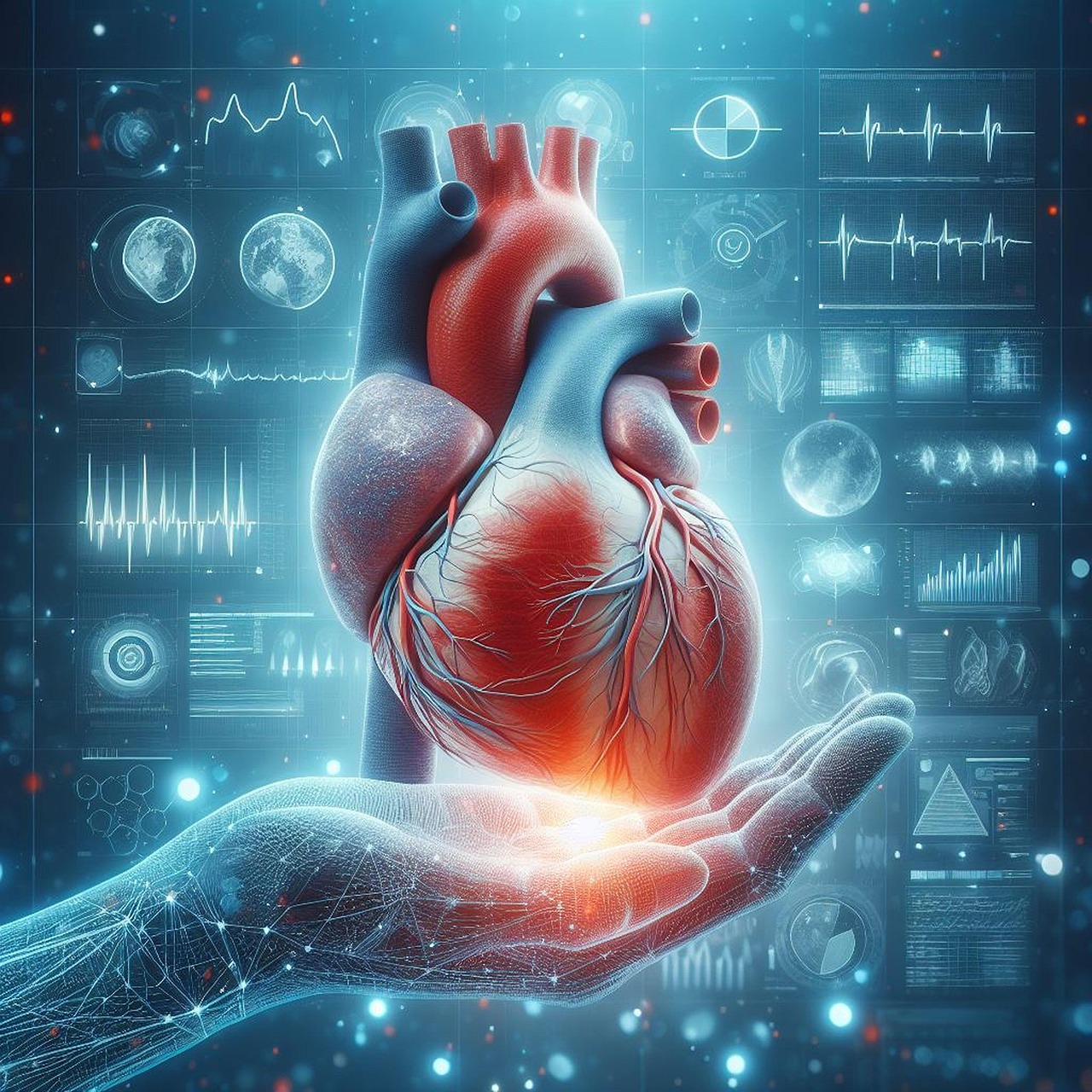

The Impact of Adapted Physical Activity on Cardiovascular Health
Cardiovascular health is essential for overall well-being and longevity. For individuals with disabilities, engaging in physical activity can significantly enhance heart health. Adapted physical activity (APA) plays a vital role in tailoring exercise programs to meet individual needs, promoting inclusivity and accessibility. Additionally, cardiovascular diseases remain a leading cause of death worldwide. Participating in regular physical activity, particularly adapted forms, can help mitigate these risks. These activities often include tailored exercises that focus on improving cardiovascular endurance and strength. Furthermore, developing a personalized activity plan that suits an individual’s abilities can foster motivation and adherence. Studies indicate that individuals engaging in adapted physical activities showcase improved heart efficiency. This leads to lower resting heart rates and enhanced circulation. Different APA modalities can be employed to address various cardiovascular health aspects, including aerobic sessions, resistance training, or flexibility exercises. Overall, APA provides not only physical advantages but psychological benefits too. Individuals may experience improved self-esteem, social connection, and reduced feelings of isolation. Encouraging APA participation can therefore lead to significant improvements in cardiovascular health and quality of life.
The benefits of adapted physical activity extend beyond the heart; they encompass a person’s mental and emotional health. People who engage in exercise often report increased levels of motivation and goal achievement. Adapted activities allow participants to set and reach personal fitness milestones, which can be highly motivating. Moreover, such participation fosters a sense of community and belonging, especially in group settings. Individuals with disabilities may experience a considerable reduction in anxiety and depression when they engage in structured physical activity. Physical exercise triggers the release of endorphins, the body’s natural mood elevators. Consequently, individuals involved in adapted physical activities frequently report enhanced moods and decreased stress levels. Importantly, APA can provide social opportunities that might otherwise be inaccessible. Group classes and team-based sports encourage interaction, facilitating friendships and support networks. These communal aspects can markedly improve an individual’s emotional well-being. Furthermore, by actively participating in their own health journey, individuals gain a sense of control and empowerment. This process can combat feelings of helplessness often felt among those with disabilities. Ultimately, the positive impact of adapted physical activities must be recognized in supporting overall mental health.
Linking Physical Activity to Improved Outcomes
Numerous studies reinforce the connection between adapted physical activity and better cardiovascular outcomes. Research shows that individuals who consistently engage in adapted physical activities demonstrate significant improvements in cardiopulmonary fitness. This enhancement is due to increased oxygen utilization and improved lung capacity, contributing to better heart health. Likewise, consistent exercise helps regulate blood pressure, decrease cholesterol levels, and improve blood circulation. These health markers are critical indicators of cardiovascular well-being. Moreover, an increase in physical endurance allows individuals with disabilities to lead more active lifestyles. Importantly, this leads to lower probabilities of developing conditions like obesity and diabetes, which are risk factors for heart disease. The American Heart Association recommends at least 150 minutes of moderate-intensity cardiovascular exercise weekly for overall heart health. Adapted programs can help individuals with disabilities achieve these goals safely and effectively. Additionally, using technology and wearables can enhance engagement by tracking progress. They provide users with feedback and motivate them to maintain their activity levels. Resultantly, adapted physical activity should be emphasized as a vital component in any health management program tailored for individuals with disabilities.
Creating Inclusive Spaces for Activity
Creating environments supportive of adapted physical activity is essential to promote cardiovascular health. Communities must prioritize inclusivity in sports and recreational programs, ensuring that individuals with disabilities have equal access. Developing infrastructure that accommodates diverse needs is fundamental. This can involve creating wheelchair-accessible facilities, adaptive equipment, and specialized training for instructors. Furthermore, collaboration between organizations can facilitate targeted programs tailored for individuals with unique requirements. Schools should implement inclusive physical education classes to encourage early participation in adapted activities. Exposing young individuals to such environments fosters a positive attitude towards lifelong physical activity. Additionally, community initiatives that promote awareness and education on the significance of physical health and disability can help dismantle societal barriers. Educating the public about the capabilities of individuals with disabilities challenges stereotypes and encourages participation in adapted exercise programs. Active advocacy is required to ensure that policies prioritize inclusion in all physical activity domains. Local government and organizations should actively support and fund accessible programs. As communities become more welcoming and inclusive, more people will have access to the health benefits associated with adapted physical activity, notably improved cardiovascular health.
Furthermore, research emphasizes the role of motivation and support in enhancing participation rates in adapted physical activities. Social support from peers, family, and health professionals can significantly impact individuals’ willingness to engage in physical activities. Encouragement and recognition of achievements foster confidence and persistence in individual pursuits. Moreover, developing programs featuring mentors or fitness buddies can enhance motivational levels further within those who participate. Each success, no matter how small, should be celebrated to maintain engagement. Through ongoing support, individuals are more likely to develop a consistent exercise routine leading to better cardiovascular outcomes. Additionally, utilizing technology can further enhance motivation. Applications and platforms that connect individuals with similar goals provide support and accountability. These tools can also track progress and showcase improvements, reinforcing positive behavior. Personalized coaching can additionally offer tailored guidance to help individuals overcome obstacles and enhance performance. All these factors contribute significantly to sustainable engagement in adapted physical activities. Ultimately, the shared journey adds richness to the experience, emphasizing the importance of community presence in encouraging lifestyle changes that lead to improved cardiovascular health.
The Role of Healthcare Professionals
Healthcare professionals play a pivotal role in promoting adapted physical activity among individuals with disabilities. Their guidance is crucial in developing tailored activity plans that align with patients’ needs and abilities. Furthermore, they can offer valuable insights on safe exercise progression and modifications that enhance engagement. One essential aspect of this role includes educating individuals about the health benefits associated with staying active. Some healthcare professionals opt for collaborations with fitness specialists, creating a comprehensive approach to care that bridges physical and mental health. This synergistic relationship can function smoothly, resulting in a better overall experience for the individual. By working towards fostering a healthy lifestyle, healthcare professionals can significantly influence behavior changes. They can utilize evidence-based research to design effective interventions. Conducting assessments of physical ability allows for a more personalized experience. Therefore, ensuring that individuals not only receive adequate medical guidance but also participate in enjoyable activities becomes pivotal. Additionally, health professionals can help dispel misconceptions surrounding disability and physical activity, advocating for a more inclusive attitude towards fitness. This proactive approach contributes to lifelong health benefits tied to cardiovascular fitness through engagement in adapted physical activity.
As society shifts towards more inclusive frameworks, the impact of adapted physical activities continues to resonate positively in cardiovascular health management. Future research must explore innovative ways to enhance participation rates among individuals with disabilities while continuously assessing the impact of these programs on health outcomes. Furthermore, integrating technology into adapted physical activity programs holds promise for increasing accessibility and engagement. Virtual fitness classes, mobile applications, and online communities can serve as valuable resources, especially for those without easy physical access to facilities. The potential for expanding the reach of adapted activities through virtual platforms is immense. Additionally, leveraging community partnerships with local organizations can help sustain programs and promote cardiovascular health initiatives benefiting individuals with varying abilities. Lastly, within educational and healthcare systems, there exists a profound opportunity to emphasize the importance of cardiovascular health through adapted physical activities. By adopting practices that enhance awareness, motivation, and inclusivity, lasting impact can be achieved. Engaging individuals with disabilities in structured, supportive environments will undoubtedly catalyze improvements in heart health and overall well-being in our communities.
In conclusion, the benefits of adapted physical activity on cardiovascular health are vast and essential. Their influence stretches far beyond physical well-being, promoting psychological resilience, social connection, and community belonging. Encouragement from healthcare professionals and family can elevate engagement, leading to long-term improvements in heart health. Creating inclusive spaces and supportive environments is crucial to empower individuals with disabilities, allowing them to participate fully. Through tailored interventions, effective partnerships, and public awareness, barriers preventing participation can be dismantled. Adapted physical activities, therefore, represent a vital resource in promoting cardiovascular health among individuals with disabilities. Prioritizing inclusivity should be a shared goal within communities, educational institutions, and healthcare systems. We must collaboratively mobilize efforts to ensure universal access to these life-enhancing programs. As more communities embrace and adhere to these values, we can expect to witness significant advancements in public health, especially regarding cardiovascular wellness. In doing so, we foster an environment that values the health and well-being of every individual, reiterating that everyone deserves the opportunity to lead healthy and fulfilling lives through adapted physical activity.