
Impact of Dehydration on Fitness Performance and How to Prevent It
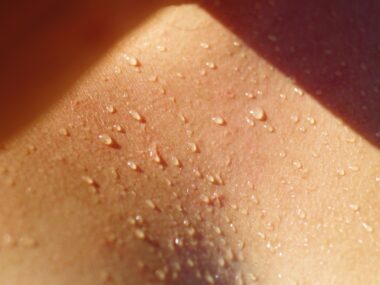
Dehydration can significantly impair athletic performance and overall fitness levels. When the body loses more fluids than it takes in, a state of dehydration occurs, leading to various detrimental effects. Symptoms include fatigue, dizziness, and decreased endurance. These effects can result in a decline in physical performance, making hydration crucial for athletes and fitness enthusiasts. The first step in ensuring optimal hydration involves understanding fluid loss. During intense activities, the body loses water primarily through sweat. This loss can lead to decreased concentration and coordination, which are essential for all sporting activities. A well-hydrated individual typically experiences improved strength, speed, and stamina. In some cases, dehydration can also increase the risk of heat-related illnesses such as heat cramps and heat exhaustion. Thus, recognizing the importance of consistent hydration becomes paramount. One effective way to monitor hydration status is to observe the color of urine; pale yellow indicates proper hydration, while dark yellow implies dehydration. Incorporating a hydration plan tailored to individual needs is vital for athletes aiming to optimize performance and prevent dehydration-related setbacks.
A variety of hydration monitoring methods exist to help individuals track their fluid intake. The most straightforward method is to observe body weight changes before and after exercise. An athlete should weigh themselves pre- and post-training sessions to determine fluid losses. Ideally, they should aim to replace lost fluids at a rate of 1.5 times the weight lost during exercise. Another popular method involves using hydration-specific apps that alert users when to drink. Many smartphone applications allow individuals to log daily hydration and set reminders throughout the day. This tech-based approach is increasingly popular among active individuals seeking convenience. Additionally, sports drinks can be beneficial to replace lost electrolytes but should be consumed in moderation. Tracking daily water intake through a physical journal or digital log can also help cultivate healthy hydration habits. Lastly, wearable devices that measure sweat rate can provide useful real-time data about fluid loss during workouts. Measuring sweat rates can inform hydration strategies tailored to specific activities or environmental conditions. Using these methods can pave the way to improved hydration and athletic performance, allowing individuals to make informed choices regarding their fluid intake.
Understanding the Role of Electrolytes
Electrolytes play a crucial role in maintaining fluid balance in the body, especially during exercise. They are minerals found in bodily fluids and include sodium, potassium, magnesium, and calcium. These minerals assist in muscle contraction and nerve function, making them essential for athletes. During periods of excessive sweating, electrolyte levels can deplete, leading to muscle cramps and diminished exercise performance. Consuming foods rich in electrolytes, such as bananas and leafy greens, can help prevent these issues. Additionally, specialized electrolyte drinks can be consumed during long workouts or events to replenish lost minerals. This underscores the importance of understanding not only fluid intake but also what electrolytes do for overall fitness and health. Maintaining a proper balance of these minerals assists in effective muscle contractions and cognitive function, which become critical during intense workouts. Consulting with a nutritionist can tailor an athlete’s diet for optimal electrolyte balance. Tracking daily intake can also be useful in ensuring that recommended levels are met regularly. Implementing strategies to maintain electrolyte balance will enhance overall hydration efforts, particularly for those engaging in prolonged physical activities or workouts.
Another essential aspect of hydration is recognizing the signs of dehydration early on. Symptoms may start as mild discomfort or fatigue, but they can quickly progress to more severe manifestations. The body’s performance begins to decline significantly when dehydration reaches a certain threshold. A common guideline is that a loss of 2% of body weight due to dehydration can hinder performance. Therefore, athletes must be attentive to their bodies’ signals and respond accordingly. Thirst should not be the sole indicator to drink water, as it often indicates the presence of developing dehydration. Evaluating physiological cues, such as dry mouth and dark urine, can also inform hydration decisions. To combat dehydration proactively, it is advisable to adopt a regular fluid intake schedule. Drinking water consistently throughout the day rather than only during workouts can help maintain optimal hydration levels. Carrying a reusable water bottle can serve as a visual reminder to drink more frequently. Additional strategies, like scheduling hydration breaks during activities, can also enhance fluid intake. Addressing early signs of dehydration ensures that athletes not only remain physically fit but also improve performance outcomes in their training regimens.
The Impact of Environment on Hydration
The environment plays a significant role in hydration, especially concerning temperature and humidity levels. In hot, humid conditions, water loss through sweating increases dramatically, requiring more attention to hydration needs. Athletes exercising in these conditions are at a higher risk of dehydration and heat-related illnesses. On the other hand, cold environments can also lead to dehydration, as many individuals feel less thirsty but still lose water through breathing and skin. Adapting hydration strategies to reflect environmental conditions can greatly enhance performance and comfort. For example, athletes should increase fluid intake on particularly hot days and reduce it on cooler days. Moreover, hydration needs may vary depending on the intensity and duration of physical activity. Understanding one’s body in relation to environmental factors can provide invaluable insights needed to foster an effective hydration plan. Individuals need to remain vigilant regarding these aspects and adjust fluids accordingly to optimize athletic performance. Implementing pre-activity hydration assessments can serve as an effective strategy, helping individuals gauge their fluid requirements based on environmental cues and conditions before embarking on training sessions.
Hydration isn’t exclusively about water; it encompasses hydration strategies and overall dietary choices that enhance fluid intake. Athletes can optimize hydration by focusing on nutrient-rich foods and beverages that support fluid retention. Foods with high water content — such as cucumbers, oranges, and watermelons — can significantly contribute to overall hydration levels. Incorporating soups and broths into meals can also aid in fluid intake while providing essential nutrients. It’s imperative for athletes to understand the interplay between diet and hydration. For instance, caffeine can lead to increased fluid loss; however, moderate intake is generally safe for hydration purposes. Integrating hydration-focused meals throughout the day can contribute to achieving daily fluid intake targets. Planning meals around training schedules enhances hydration efforts and overall performance. Furthermore, utilizing a balanced diet rich in fruits and vegetables can complement hydration strategies effectively. Being mindful of food choices plays an essential role in hydration and overall wellness. As such, hydration strategies should integrate these dietary considerations to optimize fluid intake and support athletic goals more effectively.
Conclusion: Strategies for Effective Hydration
In conclusion, implementing effective hydration strategies is crucial for optimizing performance and preventing dehydration. Monitoring fluid intake becomes paramount, especially during extended workouts and in specific environmental conditions. Electrolyte balance should be maintained through nutrition, utilizing hydration-rich foods, and beverages. Hydration methods should be tailored to meet individual needs, helping athletes understand when to drink and how much to consume. Equally important is recognizing the early signs of dehydration and developing a consistent fluid intake plan. Athletes must consider their environment when planning hydration, as temperature and humidity significantly impact fluid needs. Staying vigilant about hydration can improve physical performance and overall health. With a combination of practical hydration monitoring methods and dietary adjustments, athletes can enhance their workout efficiency. Finally, emphasizing the importance of hydration in everyday life helps support long-term fitness goals. Overall, staying well-hydrated promotes enhanced physical performance through proper brain and body function. Athletes can stay at the top of their game by integrating these strategies into their training regimens. Therefore, hydration should remain a priority for anyone looking to optimize their fitness performance.
In summary, athletes are encouraged to continually educate themselves on hydration practices for improved performance. Fostering a reliable hydration routine is vital in enhancing overall fitness and well-being. The impact of proper hydration cannot be underestimated, and it should serve as a foundation for all training regimes. Through a combination of established monitoring methods, individualized hydration plans, and the continuous learning of hydration-related knowledge, athletes will ensure that they have the resources needed to promote success in their physical pursuits. By remaining informed and adaptable, athletes can maximize their efforts to keep hydration levels adequate, thereby preventing dehydration and its associated consequences. Following these strategies also nurtures a healthier lifestyle, whereby proper hydration accompanies all athletic growth and endeavors. Each athlete has a multi-faceted role in managing hydration, and being proactive is essential for maintaining performance and health goals. This holistic approach to hydration enhances not only athletic outcomes but also fosters an overall state of health that extends beyond sports. Ultimately, the journey of hydration knowledge leads to successful and sustainable athletic performance.