
How to Listen to Your Body During Detox and Fitness Regimens
Detox and exercise routines are essential for overall well-being, as they help cleanse the body while building fitness levels. To ensure these processes yield the best results, it’s crucial to listen to your body. Understanding your body’s signals can help guide your actions and improve the effectiveness of your regimen. Each person’s experience during detoxification can differ significantly. While some may feel energized, others can experience fatigue and discomfort. Recognizing how you feel is the starting point in determining the intensity and duration of your workouts. Having a flexible approach allows you to tailor your exercise routine based on your energy levels and overall well-being. Begin by focusing on gentle exercises like walking or yoga. As your body adapts, you can incorporate more intense workouts if you feel ready. Remember, it’s essential to monitor your hydration levels as well. Staying hydrated helps alleviate some of the common symptoms associated with detoxing and can enhance your performance during workouts. Take time to integrate rest periods whenever necessary, and trust that your body will communicate what it needs.
Listening to your body during a detox is vital to your success. You might consider keeping a journal during this journey. Documenting your feelings, both physically and emotionally, could reveal patterns or triggers related to your detox and exercise routines. This practice encourages mindfulness, allowing you to respond more intuitively to your body’s requirements. For instance, if you notice increased fatigue after specific activities, you can adjust your exercise intensity accordingly. Moreover, pay attention to any physical discomfort or unusual symptoms. If headaches or nausea arise, these could be signs that your body is adjusting to the detox process. Rather than pushing through these symptoms, consider them indicators for necessary adjustments to your regimen. Simplifying your approach to exercise during this period might involve focusing on low-impact activities. Activities like swimming or cycling can be less demanding while still providing cardiovascular benefits. In addition, implement restorative exercises such as deep stretching or light resistance training. Combining these can create a balanced workout schedule that harmonizes with your body’s needs.
The Role of Nutrition in Detox and Fitness
Proper nutrition plays a critical role in the success of detox and exercise integrations. When you’re undergoing a detox, your body requires nutrients to eliminate toxins efficiently. Consuming whole, natural foods can significantly support the detoxification process. Prioritize foods rich in antioxidants, fiber, and essential vitamins. Incorporating leafy greens, fruits, nuts, and seeds can be beneficial. Ensure you are eating regularly and not skipping meals, as this can lead to energy dips, compromising your ability to exercise effectively. Instead, focus on smaller, nutrient-dense meals that fuel your body and maintain energy levels. Consider introducing smoothies packed with greens, fruits, and superfoods, making them an ideal option for quick nutrition. Additionally, staying hydrated is fundamental during detox. Drinking water, herbal teas, and fresh vegetable juices can help flush out toxins while keeping you energized and nourished. It is advantageous to listen to your cravings; they can potentially guide you toward necessary nutrients. If you find yourself craving something specific, it may signify a nutritional deficiency. Adapting your nutritional plan accordingly can result in better performance during your workouts.
As you’re adapting to your detox and exercise routine, it’s crucial to establish a balance between effort and recovery. During detox, your body is working hard to eliminate toxins, and pushing too hard in workouts can lead to burnout or injury. A good practice is to schedule active recovery days. These could include light walking, stretching, or other low-effort activities. Such days enhance blood circulation and muscle recovery without taxing your system. Listen closely to how your body responds to different types of exercise; if you notice fatigue persists, it may be a sign that a break is needed. Focus on optimizing sleep as well, as it plays a vital role in recovery. Adequate rest can significantly enhance performance and the detox process. Incorporating breathing exercises or meditation can also promote relaxation, helping the body recover more effectively. In moments where you feel overwhelmed by the detox or fitness routine, reassess your goals. Shift your objectives if they aren’t in alignment with how your body feels during this journey. Remember, maintaining a positive mindset is essential.
Utilizing Breathwork and Mindfulness Techniques
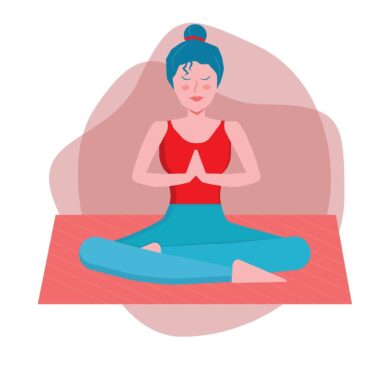
Integrating breathwork and mindfulness techniques into your detox and exercise routine can greatly enhance your overall experience. These practices help strengthen the connection between mind and body, allowing for a more intuitive response to your body’s needs. Breathwork, in particular, can help reduce stress levels and promote mental clarity during the detoxification process. Techniques such as deep diaphragmatic breathing can encourage relaxation, making it easier to listen to bodily signals. Engaging in mindfulness practices, such as yoga or meditation, can create a space to check in with yourself. It enables you to embrace what your body has achieved and what it may still need for healing and recovery. Setting aside time each day for these practices can cultivate greater awareness. Consider participating in group classes or following guided online sessions. This adds a sense of community and support during your detox journey. Both the breathing exercises and mindfulness approaches can help balance internal emotions and external pressures during strenuous workouts, ensuring a holistic approach to your fitness goals.
As you progress through your detox and exercise regimen, forming a support network can significantly enhance your journey. Surrounding yourself with like-minded individuals offers additional motivation, encouragement, and accountability. This support network can prove beneficial, especially during challenging moments of detoxification or fatigue during workouts. Consider joining local fitness groups or online forums that focus on detox and wellness. Engaging in discussions and sharing experiences can provide a sense of community. This encourages you to remain committed to your goals. Additionally, consider enlisting the help of professionals, such as nutritionists or personal trainers, familiar with detox processes. They can provide tailored advice and adjustments based on your feedback. Having a structured plan that addresses your individual needs can alleviate stress associated with uncertainty. Remember to celebrate small victories with your support network, reinforcing your journey’s positive aspects. Social connections can give you that extra motivation to overcome tough periods. Ultimately, staying connected with others on a similar path strengthens accountability and commitment to your wellness during detoxifying and integrating fitness into your life.
Conclusion: Prioritizing Self-Care
Throughout your detox and exercise regimen, prioritizing self-care is essential for success. It’s important to acknowledge that your body, emotions, and mental health play interrelated roles in this journey. By listening attentively to your body, you can make informed decisions about your fitness activities and nutritional choices. This management approach ensures that your regimen not only detoxifies but also supports your overall wellness. Remember that detoxing is not just about physical changes; it also includes emotional and psychological adjustments. Take time to reflect on your experiences, and if you encounter setbacks, approach them with kindness. Self-compassion plays an important role when working with your body during stressful periods. Additionally, incorporate enjoyable activities that support your wellness journey, whether it’s dancing, journaling, or nature walks. These can provide balance and joy that contributes positively to both physical and mental health. Lastly, be patient with yourself. Detoxing and integrating fitness is a gradual process that requires time. By fostering a holistic approach, you’ll cultivate a deeper understanding of your body’s needs, resulting in a more rewarding experience.
Ultimately, it’s crucial to remember that your detox and exercise journey is unique to you.