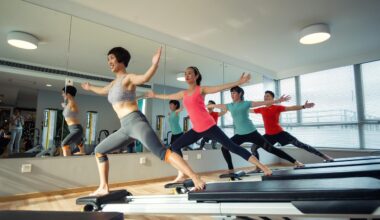

How to Incorporate Flexibility Training Into Bootcamp Programs
Incorporating flexibility training into bootcamp programs is crucial for enhancing participants’ overall performance. Flexibility isn’t just a side component of physical fitness; it’s essential for preventing injuries and improving athletic performance. Through specific routines, bootcamps can help participants achieve better range of motion in their muscles and joints. Using targeted flexibility exercises, trainers can enhance muscle recovery and mitigate tightness that often comes with intensive workouts. It’s recommended to include these stretches before and after bootcamp sessions to maximize benefits. Additionally, integrating flexibility training can lead to greater participant satisfaction and comfort during workouts. Classes designed around flexibility exercises allow members to see improvements over time, encouraging a sense of accomplishment. Offering a wide variety of stretches can maintain engagement and promote enjoyment among participants. To achieve this, trainers should utilize dynamic stretches at the beginning of each session, transitioning into static stretches at the end. This comprehensive approach not only enhances physical capabilities but also fosters a supportive bootcamp environment. As such, flexibility training should be viewed as a vital component to incorporate into all bootcamp programs.
To effectively implement flexibility training, bootcamp instructors can utilize various techniques that engage and challenge participants. One effective method is to integrate partner stretches, which promote accountability and collaboration among members. This practice encourages participants to assist each other in achieving deeper stretches. Another approach is employing yoga-inspired methods to enhance flexibility while also providing mental relaxation. Yoga’s holistic approach allows individuals to connect movement with breath, increasing body awareness and focusing on alignment. Events like “Flexibility Fridays” can motivate members to dedicate time to improving their flexibility and recovery. Furthermore, systematically tracking participants’ progress in flexibility can inspire and motivate them to set and reach new goals. Adapting to different fitness levels among participants is essential; thus, instructors should provide modifications to cater to all. For instance, using resistance bands and foam rollers further adds variety to routines. Always ending with a flexibility cool down helps balance physical exertion with relaxation. Maintaining flexibility as a priority within boot camp sessions will create a well-rounded fitness experience.
The Benefits of Flexibility Training
Flexibility training offers numerous benefits that extend beyond just increased muscle elasticity. Improved flexibility reduces the risk of injuries by enabling joints to move through their full range of motion. This mitigates the likelihood of strains and sprains, which can happen during bootcamp workouts. Furthermore, flexibility exercises can aid in muscle recovery after intense training sessions. Enhanced recovery leads to better performance in subsequent workouts, thus promoting a positive cycle of improvement. Improved posture is another significant benefit of flexibility training. Engaging in regular stretching leads to better alignment, reducing fatigue caused by poor posture during daily routines. Mental benefits should not be overlooked—flexibility training can serve as a form of mindful movement, enhancing focus and relieving stress. Participants often find that incorporating stretching routines allows them to feel more connected to their bodies. Notably, flexibility is essential for various activities, including weightlifting and running, enhancing overall athletic performance. It also boosts participants’ confidence in their physical capabilities, further supporting their fitness journeys. Therefore, flexibility training can significantly enhance bootcamp programs and should not be underestimated.
To increase effectiveness, bootcamp trainers can incorporate various stretching techniques that keep participants engaged. One innovation is the use of dynamic warm-up routines prior to workouts. These routines can include leg swings, arm circles, and torso twists to enhance blood flow. Additionally, explaining the benefits of each stretch during sessions will enhance participants’ commitment. A well-designed schedule is crucial; considerations include time allocation for flexibility sessions within the existing boot camp framework. Bootcamp leaders should strive for a balanced number of flexibility exercises in each session to foster comprehensive training. Utilizing fitness technology can facilitate better monitoring of participants’ flexibility improvements, creating accountability. Virtual classes can also introduce more educational content about flexibility training through videos and tutorials. Collaborating with experts, such as physiotherapists, can help craft tailored flexibility programs for bootcamp participants. Trainers can also encourage participants to maintain flexibility exercises independently outside class hours. By integrating flexibility training effectively, the overall experience of bootcamp training vastly improves, ensuring participants feel valued and supported in their health and wellness journey.
Common Flexibility Exercises
Implementing common flexibility exercises into bootcamp training provides a structured approach to improving participants’ range of motion. Key exercises to include are hamstring stretches, quadriceps stretches, and hip openers, targeting major muscle groups used during workouts. Shoulder stretches help counteract tension built up from upper body workouts, ensuring comprehensive flexibility. Incorporating both static and dynamic variations of these stretches will promote adaptability. It’s essential to introduce these exercises through progression; starting with easier versions helps participants build confidence. Additionally, showcasing visual demonstrations can assist in highlighting proper techniques, reducing the risk of injury. Furthermore, utilizing resistance bands during stretching can enhance effectiveness, providing support and aiding deeper stretches. Engaging participants in warm-up activities that prepare them for flexibility training is also essential. Suggested exercises include a gentle jog followed by dynamic stretching motions that incorporate full-body movement. To motivate ongoing progress, trainers can host flexibility challenge weeks, spotlighting members’ achievements. Participants can work together to share tips and personal bests, fostering community and camaraderie during their fitness journeys.
Consistency remains key for instilling flexibility training as an integral part of bootcamp workouts. Establishing designated flexibility training sessions within the weekly schedule ensures it remains a priority for participants. Trainers can encourage participants to discuss their flexibility experiences, providing a space for community sharing. Creating targeted flexibility challenges allows participants to engage more deeply, experiencing accountability within training groups. Through tracking personal progress, participants can witness improvements over time, boosting motivation. Additionally, offering incentives such as rewards for achieving flexibility milestones can make training more enjoyable. This approach fosters an environment where participants feel recognized for their efforts. Trainers should also strive for continuous education on flexibility-related topics, such as anatomy being important for improving participants’ understanding. Finally, as participants become more flexible, encouraging them to share their journey can promote idea exchange and deeper connections. This, combined with the physical benefits of flexibility, contributes to an engaging and holistic boot camp experience that supports individual goals.
Conclusion
In conclusion, flexibility training is a crucial component of any successful bootcamp program. It enhances athletic performance, reduces injury risks, and promotes overall well-being. For trainers, prioritizing flexibility not only benefits their participants but also fosters a more effective fitness environment. Offering a variety of stretching methods keeps participants engaged, while recognizing their efforts reinforces a sense of community. Consistency in implementing flexibility training will yield long-term benefits, helping participants achieve their fitness goals. Comprehensive bootcamps that include flexibility training are more likely to see participants succeed. Above all, aiding participants to see the value in flexibility training will create lasting habits. Trainers should focus on providing a balanced approach, combining strength and flexibility, to promote overall fitness. Regularly assessing participants’ progress will drive motivation and reinforce the importance of flexibility. As bootcamp programs evolve, integrating flexibility will solidify its role in achieving balanced physical health. Ultimately, the fusion of strength and flexibility training will prepare participants to face new challenges and reach optimal performance in their fitness journeys.
By blending various fitness components, trainers can create a nuanced training experience. This approach not only enhances physical capability but also promotes mental resilience, ultimately leading to holistic development. Regular communication with participants helps refine the training model to better suit their needs, fostering an adaptable fitness culture. Bootcamp instructors are encouraged to embrace flexibility training systematically, making it an integral part of the fitness philosophy. As participants experience improved flexibility, they will likely develop greater confidence in their physical abilities. Trainers should continue educating themselves and their participants on flexibility best practices to optimize results. With dedication, bootcamp programs can redefine fitness standards by valuing flexibility training as a non-negotiable element. This comprehensive mindset will inspire a new generation of fitness enthusiasts who appreciate the benefits of versatile workouts. As our understanding of optimal training evolves, so too should our approaches within bootcamp settings to create a positive impact on participants’ lives. When implemented thoughtfully, flexibility training becomes a transformative tool unlocking new levels of fitness potential.