
How Regular Exercise Influences Your Baby’s Movement Patterns
During pregnancy, staying active through regular exercise can significantly benefit both the mother and the developing baby. One of the aspects that expectant mothers can observe is their baby’s movement patterns during and after exercise. Research indicates that physical activity can enhance circulation and oxygen flow to the fetus, potentially fostering healthy development. Women often report feeling their baby moving more actively during physical routines, particularly those involving aerobic exercises. These movements are not only thrilling but also reassuring, as they indicate the baby’s reactive engagement to the mother’s physical state. Engaging in mindfulness activities, such as prenatal yoga or meditation, can also positively influence how mothers perceive their baby’s movements. As one builds awareness through exercise, the connection with their baby can deepen, promoting a greater sense of well-being. This physical interaction lays the groundwork for anticipating the baby’s needs even before birth. In this article, we will explore the impacts of regular exercise on fetal movements, the types of activities that are beneficial, and how mothers can effectively monitor these movements throughout their pregnancy.
Types of Exercises to Engage Your Baby
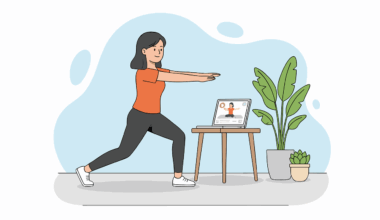
Pregnant women can engage their babies during workouts by integrating a variety of exercises tailored for safety and effectiveness. Low-impact aerobic activities, such as walking and swimming, are excellent for maintaining fitness levels while promoting fetal movement. During these activities, mothers often feel the baby responding to the rhythmic motions and increased heart rate. Additionally, flexibility exercises such as stretching and prenatal yoga allow for greater comfort and can stimulate gentle movements in the baby. As mothers perform gentle stretches, they may notice the baby reacting in kind, perhaps kicking or rolling in response. Strength training, using body weight or light resistance bands, can also contribute to increased blood flow and oxygen delivery to the baby. However, it is crucial for mothers to consult healthcare providers before starting any new exercise regimen, ensuring that the selected activities align with their specific health conditions. Benefits from these exercises can help in monitoring the baby’s reactions and movements, providing mothers with a sense of connectivity and joy throughout their fitness journey.
Aside from physical benefits, exercising during pregnancy plays a role in emotional wellness that can also influence a baby’s movement patterns. Regular physical activity has been shown to release endorphins, which can decrease stress levels for expectant mothers. Lowered stress levels can lead to smoother fetal movements, as babies are more likely to be responsive to their mother’s relaxed state. Moreover, maintaining a routine encourages mothers to establish a consistent connection with their child, as they become more attuned to their baby’s activity levels. When mothers understand their own exercise habits, they are better equipped to identify unusual patterns in their baby’s movements. Such observations can serve as crucial indicators of fetal health. By fostering a supportive environment, mothers can create a positive feedback loop, enhancing both their own and their baby’s well-being. Additionally, documenting exercise sessions can help track changes in movement patterns, providing insight into how their baby is developing. When mothers share these experiences with healthcare providers, it can enhance prenatal care strategies for a healthier pregnancy.
Monitoring Baby’s Movements: Tips and Techniques
Monitoring a baby’s movements during pregnancy is not only comforting but also an essential aspect of prenatal care. Mothers are encouraged to develop a system to track their baby’s activity levels throughout the day. Regular check-ins on movement can provide critical insights into the baby’s well-being. One effective technique is the “kick count,” which involves counting the number of fetal movements over a designated period, typically during a time of day when the mother is usually active. Establishing a baseline of usual movement can help determine if there’s a deviation that may require medical attention. Additionally, expecting mothers can use pregnancy apps or journals to log movements, allowing for easy tracking and assessment between check-ups. Observing the differences in movements during activity, such as walking or resting, can also provide valuable information. Furthermore, discussing this tracking process with healthcare providers can lead to better understanding and support, enhancing the prenatal experience. A shared approach in tracking movements can create a trusted partnership between the mother and healthcare provider, ensuring both mother and baby are thriving.
Understanding the factors influencing a baby’s movement patterns during exercise can also empower mothers to make informed decisions regarding their fitness activities. Various factors can contribute to changes in fetal activity levels, such as the time of the day or the mother’s activity level. Babies may be more active at night or during periods when mothers are sedentary. Learning to recognize these patterns can create a deeper bond between mother and baby, fostering communication through movements. Moreover, certain foods and hydration levels can also influence movement patterns. For instance, sugary snacks can sometimes provoke bursts of activity in babies, while hydration helps keep the infant active by promoting comfort. However, if mothers observe any sudden decrease in movements, it is crucial to consult with healthcare professionals. This proactive approach ensures that any potential issues are addressed early on, maintaining peace of mind for the mother. Ensuring both physical and emotional well-being through active monitoring encourages a healthier pregnancy journey for both mom and baby.
Post-Exercise Reflection on Baby’s Movements
Post-exercise periods can be particularly insightful for recognizing how babies react to maternal physical activity. After engaging in a workout, mothers often find that their babies may have distinct patterns of movement. This is a time when babies might express their satisfaction from increased oxygen flow and maternal well-being. Reflecting on these movements provides an opportunity for mothers to connect with their babies on a profound level. Having a quiet moment to be still and feel the baby’s kicks or rolls can enhance the bond developed during exercise. Tracking the frequency and intensity of movements during this period can offer a clearer understanding of how the baby responds to various activities. Some mothers choose to adopt relaxation techniques or deep breathing exercises following workouts, which not only help calm their bodies but may also encourage gentle interactions with their babies. Such mindfulness practices allow mothers to embrace the experience and recognize their baby’s cues, contributing positively to both emotional and physical health. In doing so, the exercise regimen becomes a significant part of the prenatal journey.
Ultimately, understanding the link between exercise and fetal movement patterns can enrich the pregnancy experience, empowering mothers to engage actively in their health. By establishing an exercise routine, mothers not only promote their physical fitness but positively impact their baby’s growth and development. Setting the stage for a nurturing environment helps to enhance the overall prenatal experience. As mothers connect with their infants through consistent movement tracking, they can celebrate their pregnancy journey with confidence and joy. Being mindful of how exercise influences baby movements can strengthen the mother-baby relationship and prepare for motherhood. Expectant mothers can foster an enjoyable exercise routine while observing their baby’s reactions, resulting in a harmonious pregnancy experience. This unique journey encapsulates the joy of bonding with the unborn child through the simple act of movement. The role of physical activity during pregnancy extends beyond personal benefits, underlining the unique connection every mother experiences with her baby. As this knowledge deepens, mothers can support one another and share insights, amplifying the joys of fitness and motherhood.
Conclusion: Embracing Fitness as Part of Pregnancy
In conclusion, regular exercise during pregnancy is not just beneficial for mother’s health but also for the baby’s development. The way a baby moves during and after exercise is an interactive experience stemming from maternal activity. Engaging in safe, well-rounded fitness activities allows mothers to witness their baby’s movements actively. By staying aware of these patterns, mothers contribute significantly to their child’s prenatal health. Encouragement and support from healthcare providers help mothers create personalized exercise plans to suit their individual needs. As mothers embrace fitness throughout their pregnancy, they cultivate resilience in themselves and foster a nurturing environment for their baby. Ultimately, this journey nurtures both the physical and emotional well-being of mothers and develops a deeper connection with their unborn children. Recognizing the science behind exercise impacts leads to a more fulfilling pregnancy experience. This insight empowers mothers to make informed decisions regarding their fitness approach. As every kick and roll becomes a cherished memory, the beauty of pregnancy shines through the power of movement, fostering love and well-being.