
How Core Conditioning Supports a Healthy and Upright Posture
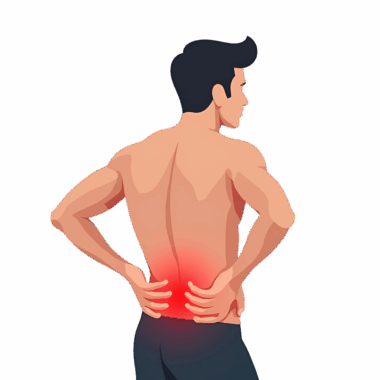
Core conditioning plays a vital role in achieving and maintaining good posture. The muscles that stabilize and support the spine are part of the core, including the abdominal muscles, obliques, and back muscles. Strengthening these muscle groups can greatly improve overall body alignment. A strong core acts like a natural brace, stabilizing the spine during various activities. Poor posture often arises from weak core muscles, leading to slumping and discomfort. As a result, integrating core exercises into your fitness routine can have lasting benefits. This is even more crucial for individuals who spend long hours sitting. Strong core muscles help pull the spine into correct alignment, minimizing the risk of developing postural problems. Furthermore, engaging in core conditioning can lead to enhanced athletic performance as well. When the core is adequately conditioned, other muscle groups can work more efficiently. This, in turn, reduces the likelihood of injuries. Thus, by prioritizing core strength, individuals can not only improve posture but also support functional movement throughout daily life, promoting an active and healthy lifestyle.
The Benefits of Core Conditioning for Posture
Improving your core strength offers numerous benefits that extend beyond just aesthetics. When core conditioning is prioritized, it enhances overall stability and balance, which are critical for maintaining good posture. Notably, strong core muscles provide better support to the spinal column. This support helps distribute forces evenly throughout the body, minimizing strain on individual muscles during physical activities. Additionally, proper core conditioning aids in developing a more robust neuromuscular connection. This connection ensures that the brain communicates efficiently with the muscles involved in posture, enabling quicker adjustments when needed. Importantly, as adaptability improves, so does overall physical performance, allowing for more athletic activities without straining the body. Daily life tasks also become easier. With sufficient strength in the core, individuals find simple activities such as lifting, bending, or carrying objects to be less fatiguing. Moreover, good posture can positively affect respiratory function. When the spine is aligned and the chest is open, lung function improves, allowing for deeper breathing. Therefore, core conditioning is not only essential for posture but overall health and well-being.
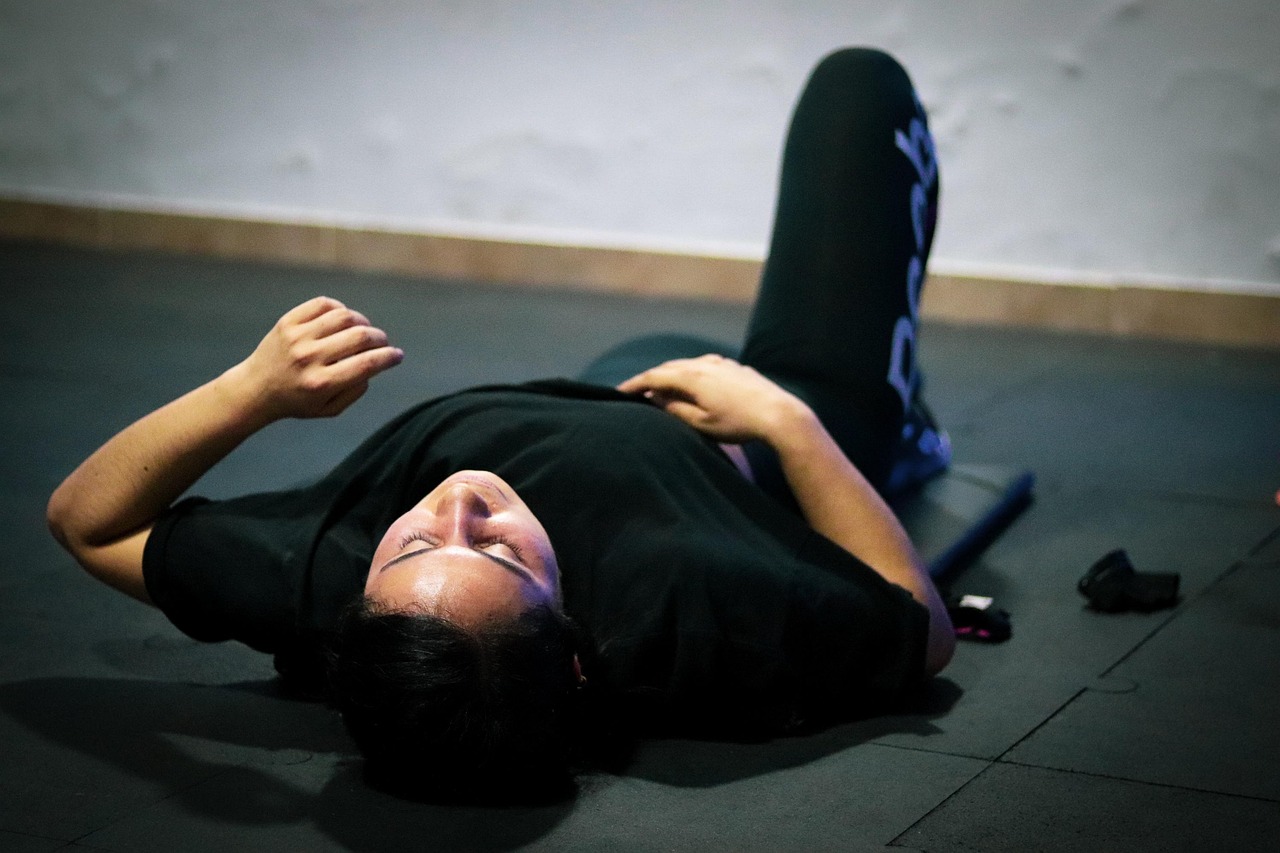
One fundamental aspect of core conditioning is the inclusion of specific exercises designed to target the muscles involved in posture support. Exercises such as planks, bridges, and bird dogs are highly effective for this purpose. These movements engage multiple muscle groups and foster coordinated action, which is crucial for achieving optimal alignment. Furthermore, flexibility exercises should complement strength training. Stretching the hip flexors, hamstrings, and back helps decrease tightness that can interfere with good posture. It’s essential to combine both strength training and flexibility to create a balanced approach. Doing so helps lengthen and strengthen the muscles, enabling them to work synergistically. To maximize benefits, individuals should also focus on their training form. Proper alignment during core exercises ensures that muscles engage correctly. Additionally, engaging the transverse abdominis, the deepest layer of abdominal muscles, provides the most effective support for the spine. When the core is effectively engaged, other muscle groups can function better. This alignment not only enhances posture but also improves functional capacity throughout daily life and fitness endeavors.
Common Mistakes in Core Conditioning
Despite the best intentions, many people make common mistakes when engaging in core conditioning exercises. One frequent mistake is neglecting the lower back while focusing solely on abdominal exercises. The core is not just about six-pack abs; it encompasses all muscles supporting the spine. Overemphasis on crunches or sit-ups may lead to muscle imbalance. Instead, it’s imperative to incorporate exercises that strengthen both the front and back sides of the core. Furthermore, performing exercises without maintaining proper form can lead to injury and ineffective muscle engagement. Another common error is rushing through repetitions or not being mindful of breath control. Slow, controlled movements build strength more effectively than hurried ones. Additionally, failing to progress or challenge oneself can hinder development. Challenging the core with various movement patterns, resistance, and stability tools such as balance balls or Swiss balls can enhance training. Lastly, consistency is key. Core conditioning should be a lasting commitment rather than a short-term effort to achieve results. Therefore, avoiding these pitfalls enables individuals to maximize the benefits of their core conditioning efforts.
The incorporation of varied core conditioning exercises into your routine can significantly enhance your posture, leading to a healthier, more upright stance. Optimal posture not only looks aesthetically pleasing, but it also performs critical functions. Moreover, when practiced regularly, diverse core exercises improve strength and stability and foster better overall well-being. To achieve the desired outcomes, one might consider a structured program that focuses on balance, stability, and strength. Engaging different muscle groups reduces fatigue and ensures that the body remains challenged and adapted over time. Some effective exercises include Pilates and yoga, as both naturally promote core awareness and stability within a holistic framework. Adopting these practices into your weekly routine cultivates a deeper understanding of how your body moves and engages muscles effectively. Additionally, seeking the guidance of a trainer can ensure that exercises are performed with correct form and intensity tailored to each individual. With ongoing assessment and adjustment of your core conditioning regimen, improvements in your posture will become noticeable and accessible. Notably, the connection between core strength and quality of life is increasingly recognized across various fitness modalities.
Maintaining Core Strength for Long-Term Postural Health
Developing a strong core doesn’t end with achieving initial strength goals; it’s essential to maintain that strength over time. Long-term postural health relies heavily on ongoing training. Regularly incorporating core conditioning exercises into your fitness routine ensures sustained muscle performance and functional movement. This involvement will help keep your spinal alignment intact and reduce the risk of reverting to poor posture habits. Efforts should be made to integrate core exercises seamlessly into other workouts rather than isolating them. For example, incorporating core engagement during traditional weightlifting or aerobic activities boosts overall effectiveness. Additionally, understanding the importance of active lifestyle choices is critical. Simple adjustments, such as sitting with a posture that promotes core engagement, can contribute positively to posture in daily life. Engaging the core while performing mundane tasks, like walking or standing, enhances awareness and stabilization. Always remember that core conditioning is a lifelong commitment. Regular assessment of core strength and its relationship to posture should remain a priority. Individuals dedicated to lifelong core training will reap benefits throughout their lives.
In conclusion, the importance of core conditioning for posture cannot be overstated. It is an essential component to achieving and maintaining a strong, healthy spine. The foundation of our stability and mobility lies in the core muscles. Therefore, investing time in core exercises yields benefits that extend well beyond physical appearance. Good posture not only promotes better health but also enhances overall well-being, reducing chronic pain and fatigue as a result. With an increasing focus on sedentary lifestyles, prioritizing core strength is crucial for individuals of all ages. Core conditioning helps counteract the adverse effects of prolonged sitting. These efforts promote an active lifestyle and help retain functional mobility as we grow older. Additionally, it’s essential to remember that everyone is different; tailoring core conditioning exercises to individual needs and abilities ensures inclusivity in approach. Whether you’re a beginner or an experienced athlete, core training has a place in every fitness journey. Thus, through commitment and awareness, achieving the posture you desire is within reach. Ultimately, enhancing core strength is a journey toward living a healthier and more active life.