
How Anatomy Informs Breathing Techniques in Yoga and Meditation
Understanding the anatomy of the body is paramount for enhancing breathing techniques in yoga and meditation practices. The intricate structure of muscles, bones, and soft tissues plays a significant role in determining how we breathe and perform yoga poses. Each body is unique, and awareness of physical anatomy helps practitioners tailor their approach to breathing exercises effectively. The diaphragm, a primary muscle for respiration, influences lung capacity and control. By studying the diaphragm’s position and function, yogis can master breathing deeply and efficiently. Furthermore, anatomical knowledge allows individuals to observe how various poses impact the respiratory system, promoting optimal movement. This leads to a stronger mind-body connection, deeper relaxation, and enhanced awareness during practice. Learning to recognize physical cues can direct yoga practitioners towards improved breathing methods. Moreover, understanding how stress affects the body can help incorporate restorative poses and techniques to calm the nervous system. Overall, integrating anatomy with breathing practices not only constructs a holistic understanding of yoga but also assists yogis in achieving greater mastery over their bodies and minds.
The Role of the Diaphragm in Breathing
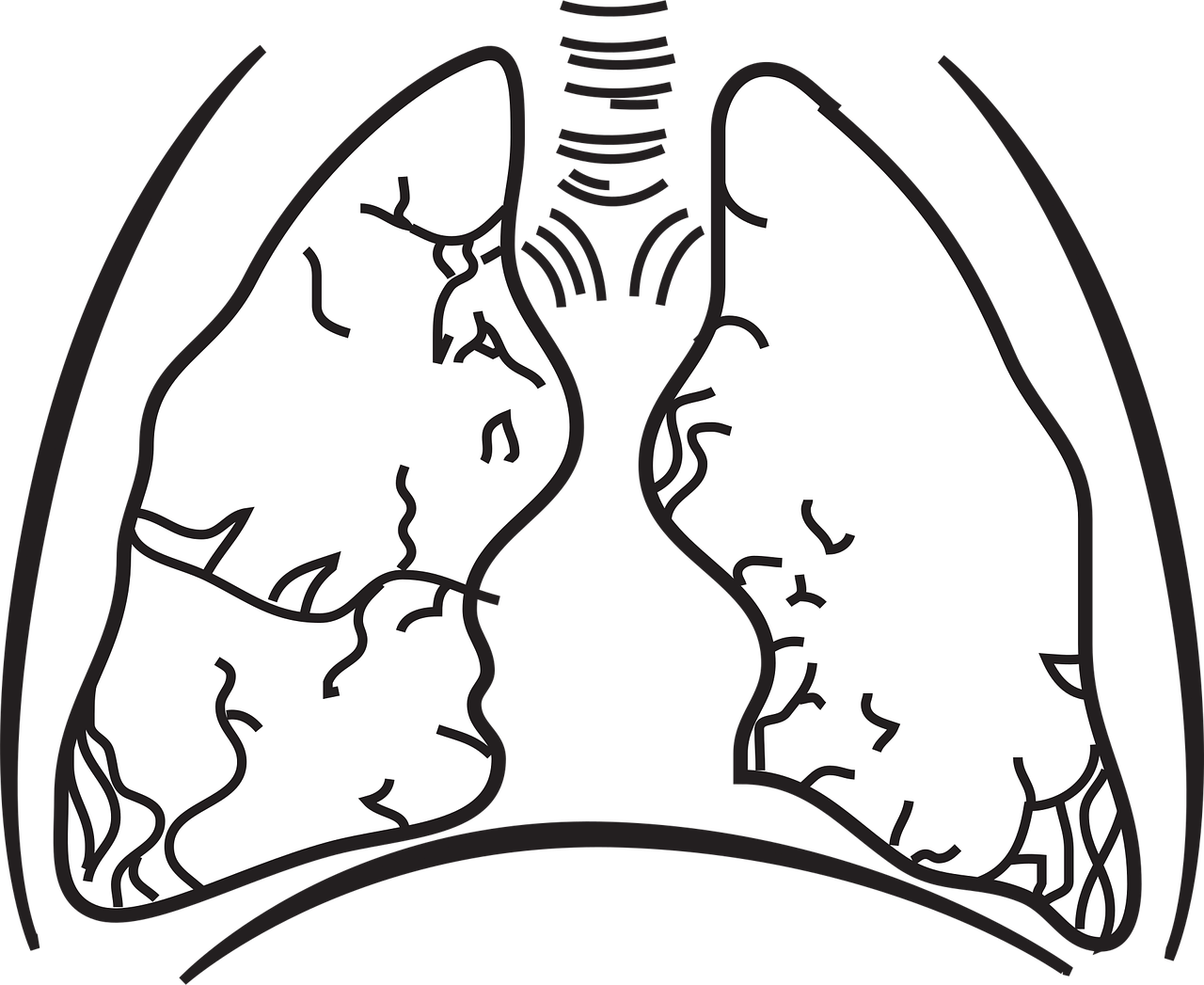
The diaphragm is crucial in regulating breath during yoga and meditation. This dome-shaped muscle separates the chest from the abdomen and plays a pivotal role in inhalation and exhalation. When the diaphragm contracts, it creates a vacuum in the thoracic cavity, allowing air to enter the lungs. By focusing on diaphragmatic breathing, practitioners enhance the depth of their breaths, increasing oxygen intake and promoting relaxation. Understanding how the diaphragm functions helps yogis establish better breathing patterns, especially during controlled yoga poses. Engaging the diaphragm can improve posture and alleviate tension in the neck and shoulders, common areas where stress is stored. Additionally, utilizing the diaphragm promotes more rhythmic and calm breaths, which is essential during meditation. This rhythmic breathing helps to reduce heart rate, blood pressure, and anxiety. Moreover, increased awareness of diaphragm movement leads to greater mindfulness during practice. As practitioners become attuned to their breathing, they can synchronize movements with inhales and exhales, resulting in a more cohesive practice. Overall, mastering diaphragmatic breathing fosters a deeper understanding of the connection between physical and mental health.
Furthermore, the impact of ribcage movement is significant in understanding proper breathing techniques. During inhalation, the ribs expand, allowing greater lung volume. Conversely, during exhalation, the ribs contract, pushing air out. This dynamic movement can be refined through conscious engagement in yoga practice. By making a deliberate effort to expand and contract the ribcage in tandem with the diaphragm, individuals can significantly enhance their lung capacity. This further leads to improved circulation, better oxygenation of tissues, and increased energy levels. Practicing asanas that open the chest and ribcage can aid in developing flexibility, which is beneficial for deepening breath. Poses like Bhujangasana (Cobra Pose) and Ustrasana (Camel Pose) encourage this expansion and further inform breathing techniques. Moreover, aligning the spine correlates with the function of the ribcage. Maintaining a straight spine promotes optimal lung function by preventing any obstruction that may hinder breath flow. Thus, incorporating movements that promote ribcage expansion is vital for an effective breathing practice, creating space within the thoracic cavity for a fuller, more conscious breath.
Understanding the Role of the Abdominal Muscles
The abdominal muscles also play a vital part in improving breathing in yoga and meditation. These muscles aid in stabilizing the core and contribute to the mechanics of breathing. Engaging the abdominal muscles during exhalation can help provide a forceful release of air from the lungs, encouraging a more profound inhalation afterward. Properly activating the abs allows for a more robust and controlled breath, enhancing overall practice quality. In various yoga poses, like Navasana (Boat Pose), the engagement of the core assists with maintaining balance while deeply breathing. Additionally, conscious engagement of the abdomen can foster a sense of grounding and stability, which cultivates mindfulness. Practitioners can learn to synchronize core engagement with breath patterns, enriching their physical performance. During meditation, acknowledging the role of the abdominal muscles promotes relaxation and reduces tension in the body. Furthermore, understanding how tension affects breath can lead to the discovery of techniques to release tightness, accommodating gentle and soothing breathing practice. This highlights the interconnectedness of abdominal function and breath, deeply enriching the experience of yoga and meditation.
Moreover, anatomical awareness extends to the cervical spine, which can influence breathing techniques during meditation and yoga. The neck and head placement directly affect the airflow in and out of the lungs. When the cervical spine is aligned properly, air flows more freely, making breath deeper and more intentional. Conversely, poor head and neck alignment can restrict airflow, leading to shallow breaths and increased tension. This highlights the importance of posture in enhancing breathing techniques. Practitioners should be taught to achieve a neutral neck position, avoiding excessive bending or twisting. Techniques like Savasana (Corpse Pose) can assist in relieving neck tension, allowing for freer breathing. Furthermore, integrating neck stretches in preparation for meditation promotes relaxation and enhances focus. Attention to cervical spine alignment is vital, especially during seated postures. By maintaining an upright posture during meditation, individuals can allow their breath to flow seamlessly, enhancing the meditative state. Ultimately, cultivating awareness of cervical spine alignment and its effect on breathing contributes to a more substantial and transformative yoga and meditation practice.
Using Breathing Techniques for Stress Relief
Breathing techniques grounded in anatomical awareness can significantly contribute to stress relief during yoga and meditation. Harmful stress can create muscular tension, tightness, and shallow breathing, hindering one’s ability to relax fully. Practicing targeted breathing techniques such as pranayama enables individuals to release this tension. Inhale deeply through the nose, filling the belly, and then exhale slowly. By focusing on the natural rhythm of the breath and developing awareness of its anatomical components, practitioners increase oxygen flow and reduce cortisol levels. Various breathing techniques, including Alternate Nostril Breathing (Nadi Shodhana) and the 4-7-8 method, target the parasympathetic nervous system, inducing calmness. This awareness of breath can be practiced throughout life, even in stressful situations. Yoga practitioners can incorporate these techniques in challenging times, promoting a sense of peace and grounding. A stronger understanding of breathing informs how to approach stress in real-time, allowing one to breathe through adversity. The integration of yoga and effective breathing practices yields numerous physical and mental benefits, enhancing one’s overall experience with yoga and meditation.
Finally, the holistic relationship between anatomy, breathing techniques, and yoga cannot be overlooked. As we explore the body’s structure, we recognize that enhancing our awareness of physical components deeply enriches our practice. Anatomy provides insight into optimizing breathing for better mental and physical health. Practitioners learn that the breath acts as a bridge between mind and body, creating a more profound experience during yoga sessions. Each individual’s unique body requires a tailored approach to breathing, fostering personal growth and connection with oneself. Through consistent practice and commitment to understanding both anatomy and breath, yogis cultivate a practice that emphasizes exploration and acceptance of their body. The integration of anatomical knowledge transforms the asana practice, ensuring aligned movements and effective breath. As awareness grows, practitioners find that breath becomes an anchor, guiding them deeper into their practice. Exploring anatomy while embracing breath awareness can lead to a more meaningful yoga and meditation experience, allowing practitioners to thrive both on and off the mat. Ultimately, this understanding fosters love and compassion towards oneself, enhancing overall life quality.