
Functional Movement Patterns That Maximize Muscle Recruitment
Functional movements are exercises that engage a variety of muscle groups, working synergistically to enhance strength and endurance. They emulate everyday activities, thus improving performance in real-life scenarios. Squats, deadlifts, and lunges are examples of functional movements that not only build muscle but also boost balance and stability. These exercises effectively activate multiple joints, particularly the hip and knee joints, engaging your core muscles while promoting proper posture. To maximize muscle recruitment, focusing on compound movements is crucial. Compound exercises force your body to work as a unit, resulting in enhanced muscle fiber activation across the board. Implementing a structured program, structured around these movements, leads to significant strength gains. Ensuring proper form is vital to prevent injuries, especially in functional training. Prioritize technique over the amount lifted to cultivate strength safely. Additionally, incorporating resistance bands and stability balls can further challenge your capacity while enhancing muscular engagement. With functional training, the goal is not only to build muscle but also create functional strength that translates into everyday tasks, improving overall fitness. Engaging in these movements can do wonders for physical performance, leading to a healthier, stronger body.
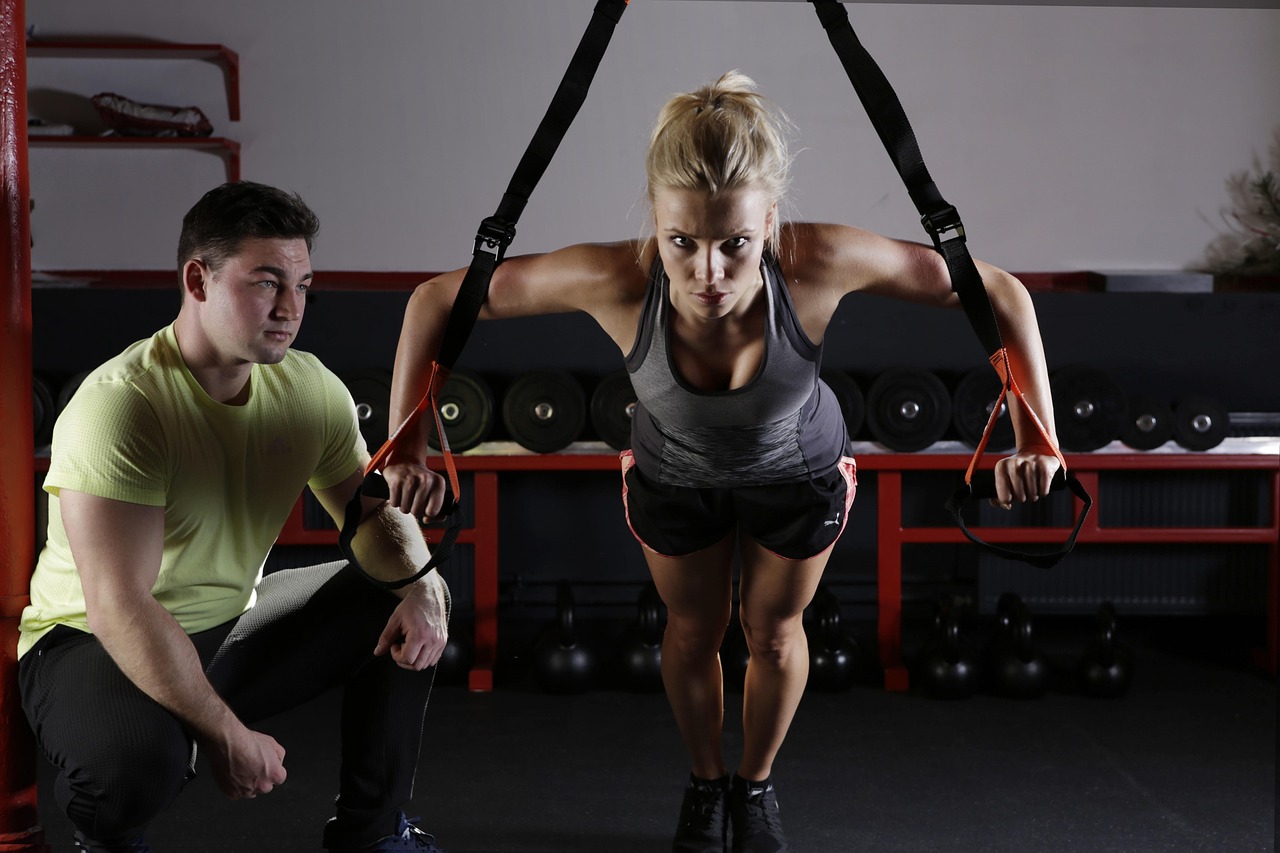
Incorporating progressions is essential when implementing functional movements. Start with bodyweight exercises before advancing to resistance with weights. This practice not only helps build initial strength but also fosters proper movement patterns. Once foundational strength is established, gradually increasing resistance allows for continued gains without compromising form. Safety should remain a priority; using equipment that promotes proper alignment can aid in maximizing effectiveness. Tools like kettlebells, dumbbells, and resistance bands can add variety and challenge to your routine. Additionally, focusing on tempo can enhance strength; for instance, performing slow eccentric (lowering) movements can recruit more muscle fibers. Consistency is key in functional training to ensure ongoing muscle recruitment. Training three to five times per week is often recommended but remember to allow adequate recovery. Supplement your routine with mobility work to address any imbalances that may arise from intensive training. A balanced approach focusing on strength building, recovery, and mobility can significantly improve results. To effectively implement resistance bands, include them in exercises such as squats and presses for added resistance and variety. This holistic approach to functional training will facilitate greater muscle recruitment, transforming your fitness journey.
Understanding Muscle Recruitment Through Movement
Understanding how muscle recruitment works can immensely enhance your training regimen. When performing functional movements, various muscle fibers are activated, primarily the fast-twitch fibers, known for their explosive strength capabilities. By performing exercises that require power and force, you effectively recruit these fibers, which can lead to increased muscle growth. Compound lifts like squats and deadlifts engage larger muscle groups, fostering greater overall recruitment during each rep. Focusing on stability during these exercises is equally important; exercises performed on unstable surfaces can activate additional stabilizer muscles, enhancing core engagement. This recruitment strategy is foundational in developing strength and functionality. Incorporating unilateral exercises, such as single-arm presses or single-leg deadlifts, increases the challenge and aids in muscle recruitment, as each side of the body must work independently. This method enhances coordination and balance while providing comprehensive muscle activation. Training in diverse planes of motion—transverse, sagittal, and frontal—ensures that all muscle groups are strengthened while promoting dynamic stability. Attention to detail, such as breath control and muscle contraction, can also magnify recruitment. Emphasizing correct movement patterns ensures that you maximize the benefits of functional training, shaping a resilient physique.
The role of core stability in functional movements cannot be understated. A strong core translates into improved performance across all exercises, contributing to better overall functional strength. Functional movements, inherently multi-dimensional, require the integrated action of core muscles alongside extremities for optimal performance. Exercises like planks, rotational exercises, and medicine ball throws can significantly enhance your core stability. Strengthening the core provides a solid foundation for generating power in compound movements, reducing your risk of injury during heavy lifts. Furthermore, effective core training aids in maintaining proper form, ensuring that all muscles are engaged correctly for elite performance. Balancing your joint stability through dynamic muscle recruitment also fosters joint health and longevity, particularly as you delve into more intensive routines. Strength training without a strong core leads to imbalanced muscle recruitment, which may impede overall effectiveness. Maintaining a focus on core stability during functional training sessions will enhance your body’s ability to perform various tasks more efficiently. Furthermore, regular assessment of your core engagement during exercises can help identify imbalances that may require targeted attention. Encouraging strong core functionality will further maximize muscle recruitment and promote muscular longevity.
Tips for Effective Functional Training
When embarking on a functional training journey, considering specific tips can amplify your results. First and foremost, ensure a proper warm-up routine tailored to your activities. Warming up prepares your muscles, making them more flexible while reducing the risk of injury. Include dynamic stretches and mobility exercises that mimic functional movements. Next, prioritize exercise execution; focus on your alignment and technique for each movement before increasing intensity. This practice will not only optimize muscle recruitment but also promote longevity in your training career. Set realistic goals that challenge you without leading to burnout. By establishing progressive milestones, you promote ongoing motivation throughout your training journey. Complement your workouts with adequate hydration and nutrition, as fuel plays a key role in muscle recovery. Eating a diet rich in protein aids in muscle synthesis, especially post-workout. Incorporating rest days into your training schedule allows adequate muscle recovery time, which is integral for muscle growth. Lastly, consider working with a trainer or joining a group class focused on functional training. Engaging with a community can enhance motivation while providing you the necessary guidance to ensure correctness in different exercises.
Moreover, listening to your body is critical during functional training. Pushing through pain can lead to debilitating injuries that hinder progress long-term. It’s vital to differentiate between discomfort typical of strength training and genuine pain that signals injury. Implementing a proper cooldown routine after workouts helps your body transition back to a resting state. Utilize stretches and light cardio to maintain circulation and flexibility in your muscles. Effective cooldown procedures can prevent stiffness and soreness, thus facilitating a quicker recovery. Tracking your progress is another essential practice; this can integrate journaling or using apps to monitor workouts and results over time. Keeping a record of your exercises and outcomes can help identify what works best for you and where adjustments may be beneficial. Embrace variety in your routines to prevent boredom and encourage adherence. Changing up your functional training exercises regularly maintains engagement while promoting new strength gains. Lastly, ensure your workout environment is safe and equipped with the necessary tools. Creating a functional training space can optimize your experience, making it more enjoyable and productive while maximizing muscle recruitment.
Final Thoughts on Functional Training
In conclusion, functional training presents an exceptional opportunity to maximize muscle recruitment and improve overall fitness. By focusing on compound movements and ensuring proper form, you can create a balanced and effective training program. It is essential to understand the various components of muscle recruitment, emphasizing stability, core strength, and overall joint health. Incorporating diverse exercises into your routine will foster a well-rounded physique while encouraging better performance in many daily activities. Remember that consistent practice, thorough warm-ups, and adequate recovery allow your body to adapt and grow stronger over time. Additionally, maintaining a focus on your nutrition and hydration will further support your fitness goals. Engaging with personal trainers or group classes can provide you with additional motivation and insight into your training. As you embark on or continue your functional training journey, celebrate your progress and adjust your goals as you experience growth. Remember that successful muscle recruitment occurs through a holistic approach, combining strength, stability, and strategy. By embracing functional movements in your workouts, you’ll forge a path towards a healthier lifestyle while enjoying the benefits of increased muscle durability.
Integrate these concepts into your routine, and you’ll discover the transformative effects of functional training on your muscle growth and overall physical performance. With continued commitment, you’re certain to witness substantial improvements in both strength and functionality. The knowledge gained here will empower you to maximize your training outcomes effectively. With practice, precision, and passion, functional training will not only sculpt your body but can also enhance your quality of life immensely.