
Exploring Delayed Sleep Phase Syndrome (DSPS)
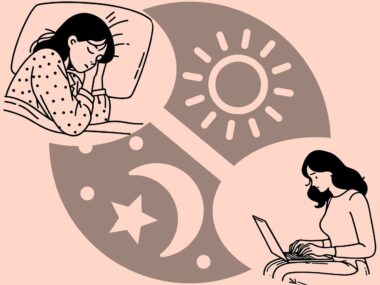
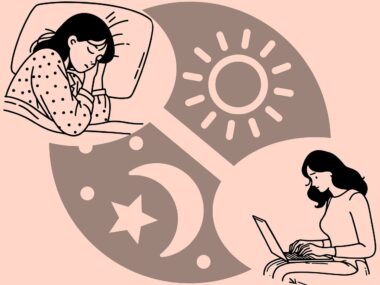
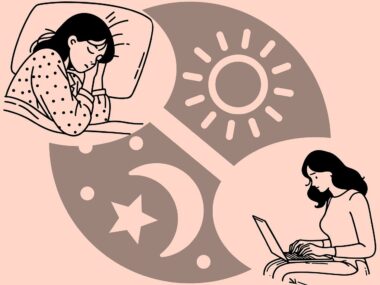
Delayed Sleep Phase Syndrome (DSPS) is a circadian rhythm disorder that significantly impacts sleep patterns and daily functioning. Individuals with DSPS find it challenging to sleep at conventional hours, leading to severe sleep deprivation during weekdays. Their biological clocks are misaligned with societal norms, resulting in a delayed onset of sleep, typically much later than the average bedtime. This condition can interfere with social engagements, academic performance, and workplace responsibilities. Notably, those affected by DSPS often report excessive daytime sleepiness, irritability, and issues with concentration. Stress or anxiety can exacerbate these difficulties, further complicating life. Many people experiencing DSPS find it hard to realize that their sleeping habits are abnormal until they experience significant consequences. According to recent studies, the prevalence of this condition might be higher than previously thought, yet it remains widely underdiagnosed. Accurate diagnosis requires careful evaluation of sleep history and patterns by healthcare professionals. Individuals suffering from DSPS need to be educated about this condition to seek treatment effectively. Understanding the underlying mechanisms is as crucial as raising awareness about available management strategies.
To successfully manage Delayed Sleep Phase Syndrome (DSPS), a range of therapeutic approaches is available. Cognitive-behavioral therapy (CBT) stands out as a highly effective method for altering sleep habits and addressing maladaptive behaviors associated with poor sleep quality. A consistent sleep schedule is paramount to adjusting the body’s internal clock. Patients are encouraged to gradually shift their sleep time earlier by manipulating their sleeping environment, incorporating natural light exposure during the day, and minimizing blue light exposure at night. Medications like melatonin may be beneficial, but should only be considered under professional guidance. Light therapy has also emerged as an effective option; it helps to reset the biological clock using bright light exposure in the mornings. Education and awareness about DSPS can significantly improve the outcomes for those affected. Individuals should stay informed about how circadian rhythms affect their health and well-being. Support groups can also provide emotional and practical assistance, granting those affected a valuable platform for sharing experiences. Continued research into circadian rhythm disorders like DSPS will contribute to improved treatments and a greater understanding of sleep health.
Understanding Circadian Rhythms
Circadian rhythms are the body’s internal processes that follow a roughly 24-hour cycle, regulating sleep and wakefulness. They are influenced by environmental factors, primarily light exposure, which signals the brain about the appropriate times for sleeping and waking. In a normal functioning system, individuals feel alert during daylight hours and sleepy at night. However, disruptions in this cycle, such as shift work, travel across time zones, or irregular sleep patterns, can lead to conditions like DSPS. Understanding these rhythms is vital, particularly for students, professionals working non-standard hours, and those embracing nocturnal lifestyles. Effective sleep hygiene practices can enhance sleep quality, ensuring a smooth adjustment to a more regulated cycle. Additionally, understanding the significance of melatonin in sleep regulation is essential; it is a hormone that signals the body when it is time to sleep. As a result, lifestyle adjustments can help mitigate the adverse effects of circadian disruptions. By aligning lifestyle habits with natural circadian rhythms, individuals may find relief from symptoms associated with DSPS while improving their overall health. Awareness and education are foundational to achieving these goals within the community.
Moreover, the impact of delayed sleep phase syndrome extends beyond just sleep disruption. Chronic sleep deprivation can lead to a variety of physical and mental health issues. Individuals with DSPS may be at an increased risk of developing anxiety disorders, depression, and other psychological conditions. Furthermore, impaired cognitive function can negatively affect academic and job performance. This cognitive impairment may manifest as difficulty concentrating, decreased motivation, and poor decision-making skills. It’s essential that individuals experiencing DSPS recognize these symptoms and seek professional help. Interventions should address both sleep issues and the psychosocial aspect of living with a chronic sleep disorder. Adequate treatment can improve overall quality of life, allowing individuals with DSPS to thrive in their daily activities. Public awareness campaigns focusing on sleep health can help reduce stigma around sleep disorders. As conversations about wellness evolve, understanding DSPS within the broader context of sleep physiology becomes increasingly essential. Efforts must be directed toward enhancing support systems that can assist with lifestyle and behavioral modifications aimed at combatting the negative effects of this disorder with a strong emphasis on personal experience.
The Role of Lifestyle in Management
Lifestyle modifications play a critical role in managing Delayed Sleep Phase Syndrome. Habits such as regular exercise and maintaining a balanced diet can significantly contribute to better sleep quality. Physical activity, especially done during the day, promotes overall health and can help regulate circadian rhythms. Individuals should also be mindful of caffeine and alcohol intake; consuming these substances late in the day can disrupt the ability to fall asleep at the desired time. Additionally, establishing a bedtime routine that includes relaxation techniques, such as meditation or gentle yoga, can further aid in promoting restful sleep. Creating an optimal sleep environment is equally important; this includes maintaining a comfortable room temperature, minimizing noise, and utilizing blackout curtains to block out unwanted light. As teamwork between individual efforts and professional guidance is essential, consistent monitoring of sleep patterns allows for timely adjustments to these strategies. Family and friends can be invaluable in supporting lifestyle changes, serving as encouragement through the transitional process. Implementing gradual changes over time rather than attempting drastic alterations can lead to more sustainable habits that benefit sleep health.
Technological advancements have also begun to impact the understanding and management of delayed sleep phase syndrome. Wearable sleep trackers can provide valuable insights into sleep patterns, helping individuals identify specific trends or disturbances affecting their rest. Apps that promote mindfulness and better sleep hygiene can make behavioral changes simpler to achieve, offering reminders and relaxation techniques tailored to personal preferences. However, reliance on technology comes with its own risks; excessive screen time, especially before bedtime, can be detrimental to sleep health. It’s crucial that users maintain a balanced approach to technology while integrating helpful tools into their routines. Despite the potential benefits, seeking professional advice remains paramount for those battling DSPS. Consulting healthcare professionals can ensure that individuals are employing the best practices tailored specifically to their needs. Furthermore, discussions around the implications of prolonged technology use on sleep quality are crucial as research continues to evolve. Educators and healthcare providers should provide guidance on maintaining healthy technology habits, allowing for a harmonious balance between technology use and mental well-being while prioritizing optimal sleep health.
Future Directions in Research
As our understanding of sleep and circadian rhythm disorders expands, future research initiatives should aim at unraveling the complexities and underlying mechanisms of Delayed Sleep Phase Syndrome (DSPS). Identifying genetic, environmental, and psychological factors that contribute to the onset and persistence of DSPS can pave the way for more effective treatment modalities. Advanced research methodologies may include longitudinal studies, neuroimaging technologies, and genetic analyses. This exploration could enhance personalized healthcare approaches for individuals with sleep disorders. Additionally, investigating the efficacy of combined treatment modalities, such as behavioral therapies complemented by pharmacological interventions, may yield valuable insights. Collaboration among sleep researchers, healthcare professionals, and policymakers will prove essential for promoting and implementing evidence-based diagnostic protocols and treatment strategies. Raising awareness of circadian rhythm disorders will also lead to better outcomes for affected individuals. Another area to explore is the educational frameworks for healthcare professionals in recognizing and treating DSPS appropriately. Education will be the bedrock of progress, capable of bridging the gap between treatment and understanding. Enhanced understanding of DSPS promises not only to improve individual lives but also contribute to the overall wellness of society.
With a growing community of researchers and advocates, the dialogue around Delayed Sleep Phase Syndrome can continue to flourish. Knowledge sharing and collaboration between different stakeholders within sleep medicine promise to yield innovative strategies for managing DSPS and other circadian rhythm disorders. Public health campaigns can bolster recognition of these conditions, leading to a significant increase in accurate diagnoses and a reduction in untreated cases. Continued advocacy and support for individuals with DSPS unlocks greater potential for healthier lifestyles. Increased awareness can further emphasize the need for tailored solutions that reflect diverse living circumstances. DPAS is still relatively poorly understood but increasing its visibility within the mental health discourse will aid in dismantling the stigma surrounding sleep disorders. The integration of sleep health education into general health curricula can serve as a preventive measure, equipping individuals with knowledge and strategies to manage their sleep cycles effectively. Future public health policies should place a premium on sleep health as an essential component of overall well-being. Ultimately, empowering individuals with knowledge, resources, and support will dramatically improve the quality of life for those living with Delayed Sleep Phase Syndrome.